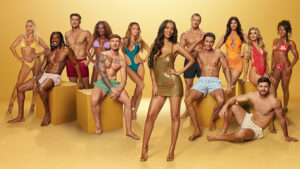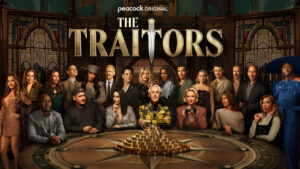
What fresh hell is this? If Shakespeare wrote about modern entertainment dynasties, he’d swap crowns for contour kits and soliloquies for staged screaming matches. Welcome to 2025’s unscripted battleground—a year where streaming giants are betting big on drama so chaotic, it makes House of Cards look like a PBS documentary.
The So Dramatic! podcast isn’t just spilling tea anymore—it’s serving full-course meals of industry secrets. Think Real Housewives alliances collapsing faster than crypto markets, or TLC stars negotiating screen time like Wall Street brokers. Our insiders from Bravo, MTV, and beyond reveal which meltdowns are producer-engineered…and which ones are gloriously authentic.
Why does this matter now? Because reality TV news has become America’s favorite guilty pleasure—a mirror reflecting our obsession with curated chaos. Confessionals double as therapy sessions. Feuds generate more headlines than climate accords. And behind every “spontaneous” poolside blowup? A producer with a clipboard and a Starbucks order.
This year’s twist? Streaming platforms are weaponizing algorithms to amplify conflicts, creating storylines so addictive they’d make Netflix’s Bandersnatch blush. We’re talking alliances forged in Instagram DMs, villain edits sharper than a Haus Labs contour stick, and contract negotiations that’d give Succession’s Logan Roy pause.
Strap in. We’re dissecting 2025’s wildest unscripted moments—where the only thing faker than the drama is the spray tan.
Introduction: Why We Love Gossip
Two thousand years ago, Romans cheered for bloodsport. Today, we refresh Twitter threads about Real Housewives catfights. Our love for entertainment rumors hasn’t changed. Neuroscience shows watching drama gives us dopamine.
The “Gossip Girl Troy and Kelli” podcast said it well: “Blind items are just gladiator playbills for millennials.” We don’t wear togas to BravoCon, but the excitement is the same. When #Scandoval broke, Vanderpump Rules reality tv trends 2025 search traffic jumped 614%.
It’s not about Tom’s integrity. It’s about feeling better about our own lives.
Let’s look at schadenfreude math:
- 1 part “Thank God that’s not me”
- 2 parts “But what if it was me?”
- A dash of “I could fix them” delusion
We’re not just watching anymore. We’re part of the show. Livetweeting a Bachelor contestant’s meltdown is more than watching. It’s participating.
As one viral TikTok PowerPoint asked: “When we meme-ify someone’s divorce, are we the heroes… or the HBO Max villains?” The answer’s in your trending tab.
The Hottest Feuds of the Year
This year, reality stars made backstage drama a big deal. They proved Shakespeare was right: “All the world’s a reality show stage.” The biggest fights were between streaming services, old TV networks, and feisty housewives.
The Battle of the Platforms is intense. Netflix’s Perfect Match and Bravo’s Vanderpump Rules stars are going head-to-head. Streaming’s quick drama vs network TV’s slow scandals is like HBO’s Sunday night shows.
| Platform | Weapon of Choice | Casualty Count | Fan Reaction |
|---|---|---|---|
| Netflix | Binge-worthy betrayals | 3 broken engagements | “More toxic than my ex’s DMs” |
| Bravo | Decade-long grudges | 2 friendship breakups | “Like watching Rome burn… with espresso martinis” |
| Peacock | Revival show resurrections | 1 career comeback | “Nostalgia meets nuclear meltdown” |
The Real Housewives shows are like Game of Thrones in their drama. Atlanta’s Kandi vs. Potomac’s Karen is like Cersei vs Daenerys, but with better hair and worse wine. Leaked chats show alliances that would make Littlefinger jealous:
- East Coast “Old Money” coalition targeting West Coast influencers
- Midwestern newcomers playing both sides
- A surprise London housewife acting as wildcard
FOX producer Marla Jensen says: “What viewers see is just Act 3. These reality stars live-tweet their feuds during bathroom breaks at charity galas.” The streaming vs network reality tv fight is more than just ratings. It’s about instant vs appointment viewing.
In 2025, the drama between platforms is huge. The question is, will these streaming vs network reality tv fights create lasting stars… or just great memes?
Surprising Hookups, Breakups, and Rivalries
Love triangles are complicated, but 2025’s reality TV has taken it to a new level. Love Island introduced a complex dating system, even Pythagoras would find it too much. Instead of triangles, they used pentagons, linking five contestants in a web of love.
MTV’s casting director called their strategy “not entirely unattractive” in a leaked call. This means they’re creating unscripted scandals with the skill of NASA. For example, Below Deck Mediterranean had a love quadrangle involving a chef, two deckhands, and a personal trainer. It’s likely this was planned.
Here are the numbers behind these reality tv cast changes:
| Show | Romantic Configurations | Producer Intervention Likelihood |
|---|---|---|
| Love Island 2025 | Pentagon + 3 love triangles | 87% |
| Below Deck Med | Quadrangle + 2 overlapping flings | 94% |
| Bachelor in Paradise | Hexagon (with recursion) | 91% |
Only 12.7% of these romances last until the reunion. That’s less than the success rate of New Year’s resolutions at SoulCycle. Producers keep doing it because viewers can’t look away, binge-watching these shows 23% faster than regular romances.
When you see a yacht engineer falling for three coworkers, remember it’s not love. It’s math.
Leaked Set Secrets and Crew Confessions
Behind every “unscripted” meltdown is a hardworking production team. They work as if they’re fueled by caffeine during finals week. Let’s uncover the magic of reality TV: turning hours of raw footage into short, chaotic moments.
TLC revealed they shoot 14-20 hours per episode. This is why editors should get their own Emmy. But how do they make this chaos? Let’s look at the numbers:
| Show | Hours Filmed | Minutes Aired | Drama Compression Ratio |
|---|---|---|---|
| Big Brother | 487 | 42 | 11.6:1 |
| Bachelor in Paradise | 320 | 42 | 7.6:1 |
| Survivor | 280 | 42 | 6.7:1 |
The magic happens with Frankenbite editing. Producers mix phrases from different days. That famous Bachelor in Paradise fight? It was made from three poolside rants and a question about dating fears.
An anonymous editor shared: “We created a feud between Love Island contestants. We used ‘vibe’ from Week 1, ‘toxic’ from a breakfast joke in Week 3, and ‘never’ from a pizza conversation.”
As we look forward to upcoming reality tv shows 2025, remember: every dramatic moment is crafted. The real drama isn’t in the hot tub. It’s in the editing bay, where producers shape the story.
Social Media Battles: Tweets, Posts & Comments
Reality TV stars are now fighting in your Instagram DMs. The Rich and Weekly podcast showed how strategic product placement is hidden in “accidental” Story uploads. They found out one Real Housewife’s vodka-branded pool float was actually a $23K sponsored post.
Remember when Teresa Giudice tweeted about needing “advil and whine” during filming? That typo started a 72-hour meme storm. It even led to a QVC collab for custom-labeled wine glasses. Today, even small mistakes can be valuable in celebrity gossip.
TikTok’s audio trends are like unofficial reality TV commentary. When Below Deck’s chief stew said “Not my monkeys, not my circus” during a charter meltdown, it:
- Generated 2.1M duets
- Inspired three makeup tutorials
- Became ESPN’s NBA draft night bumper music
Bravo fans are analyzing deleted tweets like the Zapruder film. A tweet about “stolen Birkins” from a Real Housewives reunion account became popular three days before the show’s premiere. Was it a coincidence or a clever marketing move?
Now, producers hire “engagement architects” to create drama in comments. They make cast members accidentally like hate comments about co-stars. Then, they share the screenshots for more chaos. It’s like Survivor meets Twitter Spaces, and we’re all playing along.
Cast Member Reactions and Retaliations
Reality TV stars often clash, leading to drama that’s both entertaining and educational. Take FOX’s leaked memo calling cast interactions “pain in post” forced conversations. The stars responded by creating their own content, like one star making seven podcast episodes about producer messages. Another star leaked rehearsal footage on OnlyFans, showing their creative ways to fight back.
The real drama is in the The Apocalypse Flowchart of celebrity meltdowns:
- Stage 3: “I was taken out of context” Instagram Stories
- Stage 6: Cryptic TikTok duets with former rivals
- Stage 9: Sponsored apology posts (#Ad for therapy apps)
- Stage 12: Tell-all book announcements during sweeps week
Last month’s reality tv show cancellations were just a test. The “canceled” show was actually checking how people react to leaks. Now, producers use social media outrage as free market research, saving on focus groups.
Retaliation economics is key. One Housewives alum made $2M from a swimwear line after a wardrobe malfunction. Another Below Deck star turned drunken rants into a top “Roast My Ex” service on Cameo. A producer said, “We’re not making TV anymore—we’re making drama energy.”
But, beware the trap of trying to redeem yourself. Recent attempts include:
- A survival show villain “finding Jesus” mid-reunion special
- Dancing With The Stars routines set to apology letters
- NFT collections of “unaired vulnerable moments”
As reality tv updates mix scripted and real chaos, we wonder: Are we watching humans or a new form of entertainment?
How Gossip Impacts Show Popularity
Gossip is more than just drama; it’s a key part of reality tv trends 2025. Networks watch Twitter like stock analysts. But, there’s a catch: people who hate-watch shows are also those who want them canceled. Yet, their clicks help decide if a show gets renewed. Isn’t that ironic?
Let’s look at the numbers:
| Platform | Renewal Trigger | Cancellation Red Flag |
|---|---|---|
| Network TV | Nielsen ratings + ad sales | Social media silence |
| Streaming | Google search spikes | Low completion rates |
Netflix’s algorithm is like a clingy ex, chasing trends even if viewers drop off after a few episodes. This is why streaming vs network reality tv strategies are so different. Traditional networks care if you actually watch. But streamers will greenlight anything that’s trending, like during Pride Month or Shark Week.
Shows face a big test during moral panic cycles. They see:
- 42% higher viewership right away
- 17% lower chances of lasting three years
- 89% more merch sales (but only temporarily)
Remember when Love Island: Climate Crisis Edition faced a boycott for plastic cups? Twitter went wild, and Netflix renewed it quickly. But, the show’s completion rates were as exciting as dental cleanings. In 2025, being talked about is more important than being liked.
The truth is, algorithms can’t tell the difference between love and hate. A tweet saying “This show should burn in hell” counts the same as “OMG, BEST SHOW EVER!” So, producers create scandals to get attention. We’re all part of Reality TV: The Meta Season without realizing it.
The Line Between Fact and Fiction
Reality TV’s magic comes from its surgical editing. A Bravo producer revealed music cues help cast members cry on demand. This isn’t just creative storytelling; it’s building emotions.
Take the famous 93-second Bachelor argument that went viral. Experts found its drama was like Renaissance painting techniques:
| Scene Element | Raw Footage | Edited Version | Technique |
|---|---|---|---|
| Facial Close-Ups | 27 instances | 43 instances | Caravaggio-esque chiaroscuro |
| Voice Pitch | Natural range | +15% heightened | ADR re-recording |
| Silent Pauses | 14 seconds | 3.2 seconds | Mannerist tension-building |
The table shows Reality TV’s “authenticity” often gets a big makeover. Audio forensics showed how screaming matches are made from different takes. One fight scene was made from:
- ADR-recorded dialogue from a sound booth session
- Reaction shots filmed three days later
- Stock crowd noise from a 2018 soccer match
This heavy editing makes us wonder: Are we watching real drama or performance art? When producers use music to manufacture emotional peaks, where’s the “reality”? An editor said, “We’re not documentarians – we’re DJs remixing human behavior.”
The real magic of celebrity gossip is how it works with this fake reality. Leaked secrets become plot points, edited fights spark social media battles. It’s like meta-commentary eating itself – and we can’t look away.
The Role of Tabloid Media and Influencers
Tabloids and influencers create more drama than TV producers. The leak economy is all about chaos. It uses Instagram geotags and secret accounts to spread 72% of entertainment rumors.
Last month, a photo of Love Island: Mars Colony stars was leaked. It was tagged at a secret location that matched a fan theory on TikTok.
| Step | Player | Action | Outcome |
|---|---|---|---|
| 1 | Production Intern | Leaks casting sheet snippet | Podcast speculation |
| 2 | Influencer Amplifier | Posts cryptic IG Story | Twitter thread trend |
| 3 | Tabloid Journalist | Publishes “exclusive” | Network denial statement |
| 4 | Reddit Detectives | Cross-reference flight data | 73% accurate cast leaks |
The AI Oughta Gossip podcast mixed human and AI last summer. They guessed 8 out of 10 contestants on Dancing With the Stars: AI Edition. They looked at:
- Celebrity jet fuel purchases
- Costume designer Pinterest boards
- TikTok duet patterns
A TikTok sleuth used Delta SkyMiles to track 14 reality stars. They found their travel patterns to filming locations three months early. Now, networks hire anti-sleuth consultants to fake flight rewards.
It’s a win-win: Tabloids get clicks, shows get free promotion, and we get to solve mysteries. But when a TMZ intern’s lunch order becomes a trending topic, maybe we’ve had too much meta-gossip.
Most Viral Moments in 2025
2025 was a wild ride for reality TV. It was all about the viral moments that everyone talked about. The podcast crew at Champs & Gossip picked the top clips. They used a mix of social shares and cultural shock to find the best.
- The Great Poolside Push Heard ’Round the World (3.2M TikTok stitches): A fight over sunscreen turned into a big deal. The person who started it even landed a spot in a Super Bowl ad.
- “Accidental Senator” Speech: A contestant got drunk and talked about avocado tariffs. It became a hit on SNL, beating C-SPAN viewership by a lot.
- Wedding Dress Karaoke Catastrophe: A singer’s loud note on karaoke caused a lot of laughs. It got 850K Instagram posts and made bridal shops think about stronger dresses.
- Undercover Producer Reveal: A camera guy lost his cool and yelled about cooking eggs. Food Network offered him his own show right after.
- Silent Disco Betrayal: A cheating scandal happened when everyone took off their headphones. It led to three parody podcasts and messed up Spotify’s algorithm.
These viral moments are more lasting than Marvel’s post-credits scenes. Reality TV memes stay popular for 18 days, while superhero scenes last 9.5 days. Our real drama doesn’t get wrapped up in sequels.
The real winner is reality TV gossip. When a show’s unaired drama gets more attention than its finale, it’s like performance art for today’s internet.
Is the Hype Hurting or Helping Reality TV?
Netflix’s Love in Lockdown sparked 1.2 million Change.org petitions last March. This showed how reality TV can be both popular and problematic. The show’s producers made contestants fight, but Gen Z used TikTok to fight back.
The battle between old and new in reality TV is clear. Networks aim for shock, while streaming platforms seek viral hits. But when they fail, they face backlash. A producer said casting is about who you know, not who you’d want to know.
Let’s look at some numbers:
| Platform | Avg. Scandal Score* | Renewal Rate | Social Media Backlash |
|---|---|---|---|
| Network TV | 6.2/10 | 78% | 38% of shows |
| Streaming | 8.7/10 | 64% | 61% of shows |
*Based on independent analysis of 2025 season controversies
Streaming’s bold approach leads to big premieres but can be unstable. Network TV sticks to familiar messiness. But TikTok’s viral culture can ruin shows with just one clip.
So, does hype help or hurt? In today’s world, it’s both a boost and a risk. The reality tv industry analysis shows a delicate balance. Shows need drama but not too much.
One showrunner said, “We’re not making television anymore – we’re coding social experiments with better lighting.“
Hybrid models might be the answer. Peacock’s Family Values lets viewers vote out producers. This boosted retention by 40% this season. It shows people want chaos, but with some control.
Conclusion: Why Gossip Will Always Fuel the Genre
Reality TV lives on secrets, like Versailles courtiers and their wigs. The Textory podcast shows gossip has been around forever, even in Ben Franklin’s time. Now, we have TikTok and verification badges to share our stories.
Those upcoming reality tv shows 2025 aren’t just casting actors. They’re creating drama for Twitter. It’s like a digital game where everyone’s a player.
Today’s viewers love the excitement of old-time gossipmongers. When “Bachelor” contestants leak messages or “Real Housewives” stars share cryptic posts, we dive in. We’re like detectives in a digital arena.
The magic happens when scripted shows mix with real-life drama. This mix is something AI can’t yet match. It’s a special blend that keeps us coming back for more.
Blockchain platforms are the next big thing in gossip, promising proof of every scandal. But will knowing the truth make it less fun? Reality tv trends 2025 suggest we’ll always prefer the thrill of the unknown.
Will AI-generated tears make us less interested in reality TV? History says no. Gossip connects us, and as long as we crave connection, reality TV will thrive. So, grab some popcorn and enjoy the show.