The arrival of yacht-based formats like Love Overboard marks a turning point in the evolution of reality TV. What was once dominated by villas, islands, and shared houses is now moving into high-end, mobile environments that double as both setting and spectacle.
This shift isn’t just aesthetic—it’s strategic. As competition among streaming platforms intensifies, reality shows are being reimagined as aspirational experiences, where the setting itself becomes a central character. In the case of Love Overboard, the yacht isn’t just a backdrop; it’s a curated environment designed to elevate drama, exclusivity, and visual appeal.
Luxury is no longer a bonus feature in unscripted content—it’s becoming the product.
Why Yacht-Based Formats Are Gaining Traction
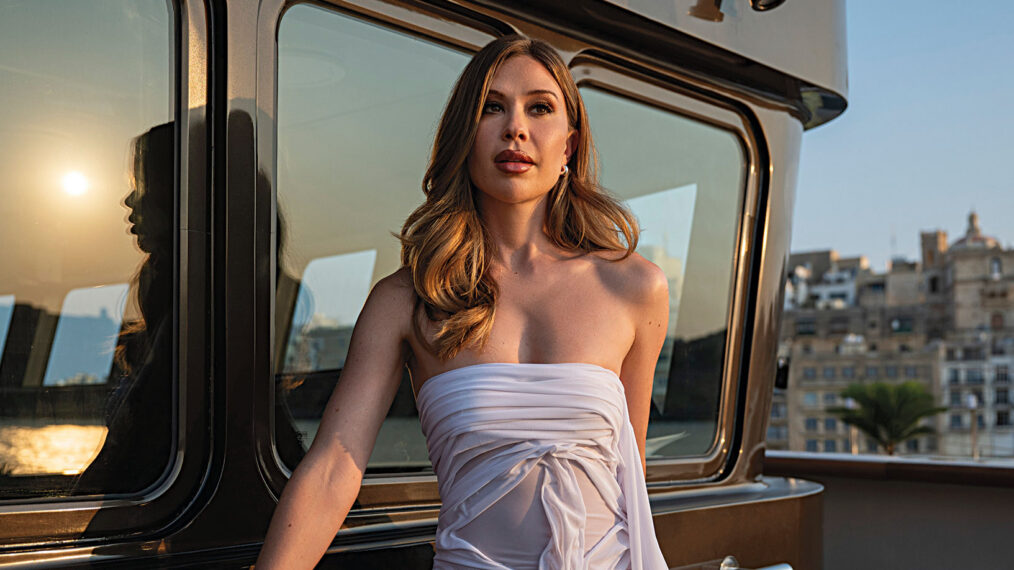
Yacht-based reality shows offer something traditional formats can’t: controlled isolation combined with high-end mobility. Unlike fixed-location shows, these environments create a constantly shifting dynamic—new ports, new scenarios, and new social tensions.
This combination enhances storytelling in several key ways:
| Element | Impact On Viewer Experience |
|---|---|
| Luxury setting | Elevates aspirational appeal |
| Limited space | Intensifies interpersonal drama |
| Changing locations | Adds visual variety and unpredictability |
| Exclusive access | Reinforces premium branding |
The result is a format that feels both intimate and expansive—a rare balance in reality TV.
More importantly, it aligns with a broader industry push toward experience-driven storytelling, where audiences are drawn not just to the cast, but to the lifestyle being portrayed.
“Love Overboard” And The New Dating Show Formula
Love Overboard doesn’t just replicate existing dating show mechanics—it reframes them within a luxury-first context. The show blends familiar elements—romantic pairings, eliminations, shifting alliances—with the added pressure of a confined, high-status environment.
According to recent industry coverage from Page Six, the series introduces competitive twists that force contestants to navigate both romance and strategy while aboard a yacht, creating a hybrid between dating show and social game.
This format reflects a growing trend where dating shows are evolving into multi-layered competitions, designed to sustain engagement across longer viewing cycles.
The yacht setting amplifies every interaction. There’s no escape, no neutral ground—just constant proximity under the illusion of paradise.
The Business Strategy Behind Luxury Reality TV
The move toward yacht-based formats is deeply rooted in economics. Luxury environments open the door to premium brand integrations, partnerships, and cross-industry collaborations that traditional formats struggle to match.

These shows are built to monetize beyond the screen:
- Travel and hospitality partnerships
- High-end product placements
- Destination marketing tie-ins
- Exclusive fan experiences and spin-offs
In many ways, yacht-based reality shows function as extended advertisements for a lifestyle, blending entertainment with aspirational marketing.
This strategy mirrors what we’re seeing across the industry, where reality TV is increasingly positioned as a gateway to real-world experiences and high-value audiences.
Social Media And The Visual Power Of Luxury
One of the biggest advantages of yacht-based formats is their visual dominance on social media. Every frame—sunset decks, ocean backdrops, luxury interiors—is inherently shareable.
This creates a content ecosystem where:
- Clips circulate rapidly across platforms
- Cast members build influencer followings
- Fans engage through aspirational content
- The show maintains visibility between episodes
Luxury amplifies virality. The more visually striking the environment, the more likely it is to capture attention in crowded digital feeds.
As we explored in our breakdown of immersive reality experiences reshaping fan engagement, the most successful formats today are those that translate seamlessly into social content.
The Risks Of Over-Luxurization
While the luxury trend offers clear benefits, it also introduces new challenges. There’s a fine line between aspirational and inaccessible—and crossing it can alienate audiences.
Key risks include:
- Overemphasis on setting at the expense of storytelling
- Reduced relatability among viewers
- Rising production costs tied to premium environments
- Format fatigue if luxury becomes overused
Reality TV has historically thrived on relatability. As shows move further into high-end territory, they must ensure that human dynamics remain at the center of the narrative.
What This Trend Means For The Future Of Reality TV
The rise of yacht-based reality shows signals a broader transformation in the industry. Reality TV is evolving into a space where environment, experience, and storytelling are inseparable.
Looking ahead, we can expect:
- More destination-based formats (resorts, private islands, luxury retreats)
- Increased blending of travel and competition genres
- Expansion into global, mobile production models
- Greater emphasis on premium audience targeting
Ultimately, shows like Love Overboard aren’t just experimenting with new settings—they’re redefining what reality TV can be.
The future of unscripted entertainment may not just be something viewers watch. It may be something they aspire to live inside.