The resurgence of criticism surrounding America’s Next Top Model (ANTM) highlights how reality TV scandals are reshaping legacy shows in the modern era. Originally airing from 2003 to 2018 under host Tyra Banks, the series was once considered groundbreaking—launching modeling careers and redefining competitive reality TV.
But in recent years, particularly between 2020 and 2026, viral clips from earlier seasons have reignited backlash. Moments involving controversial photoshoots, harsh judging, and culturally insensitive challenges have been widely circulated on TikTok and X, reframing the show through a contemporary lens.
What was once seen as edgy entertainment is now being reevaluated as problematic and, in some cases, harmful.
Why ANTM Became The Center Of The Debate
ANTM’s format relied heavily on transformation, critique, and spectacle—elements that defined early 2000s reality TV. However, these same elements are now at the center of criticism.
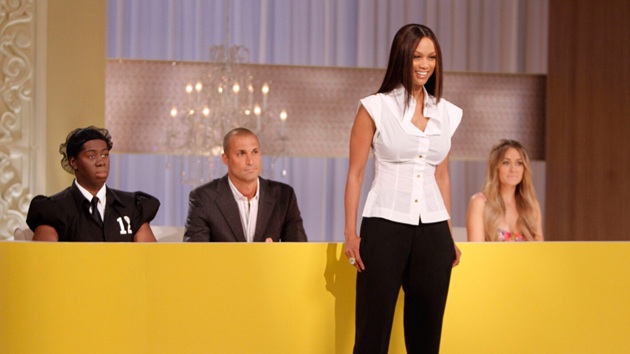
Key issues raised by viewers include:
| Controversial Element | Modern Interpretation |
|---|---|
| Extreme makeovers | Potentially coercive and emotionally distressing |
| Cultural-themed photoshoots | Viewed as insensitive or appropriative |
| Harsh judging style | Criticized as humiliating or exploitative |
| Power imbalance | Lack of agency for contestants |
Tyra Banks herself addressed some of these concerns publicly in 2020, acknowledging that certain moments “did not age well.” Since then, the conversation has continued to evolve, fueled by new audiences discovering the show through streaming platforms.
Social Media’s Role In Rewriting Reality TV History
The ANTM backlash is a clear example of how social media has become a retroactive accountability engine. Platforms like TikTok have allowed users to revisit and dissect older content, often bringing renewed attention to moments that previously went unchallenged.
This dynamic creates a new reality for legacy shows:
- Past episodes are constantly recontextualized
- Viewer expectations evolve faster than content can
- Cultural standards shift, but footage remains permanent
In this environment, reality TV is no longer judged solely by the standards of its time. It is judged by today’s values, in real time.
Streaming Platforms And The Risk Of Legacy Content
As streaming services continue to host older reality shows, they face a growing dilemma: how to balance nostalgia with responsibility.
Legacy content like ANTM presents both opportunity and risk:
| Platform Benefit | Platform Risk |
|---|---|
| High engagement from nostalgic audiences | Potential backlash from controversial scenes |
| Low-cost content acquisition | Brand damage through association |
| Cross-generational discovery | Renewed scrutiny from younger viewers |
Some platforms have responded by adding disclaimers, editing episodes, or quietly removing certain content altogether.
This reflects a broader trend discussed in our analysis of authentic storytelling reshaping modern reality TV, where audience trust is becoming just as important as viewership.
The Shift In Audience Expectations
The ANTM controversy underscores a major shift in what audiences expect from reality TV. Viewers today are more attuned to issues of representation, consent, and mental health.
This has led to:
- Increased scrutiny of production practices
- Greater demand for ethical casting and editing
- Reduced tolerance for humiliation-based entertainment
- Stronger emphasis on participant well-being
Reality TV is no longer judged purely on entertainment value. It is evaluated based on how it treats the people at its center.
Industry Response: Adapting Or Falling Behind
The backlash against ANTM has not gone unnoticed by the industry. Producers and networks are actively adjusting their approaches to avoid similar controversies.
Changes include:
- More comprehensive psychological support for contestants
- Stricter guidelines around sensitive content
- Greater diversity in casting and production teams
- Transparent communication with audiences
These shifts are part of a broader effort to future-proof reality TV in an era where public accountability is constant and unavoidable.
According to analysis from The Guardian’s coverage of Tyra Banks and ANTM’s legacy, the show’s controversies have become a case study in how quickly public perception can change—and how difficult it is to adapt retroactively.
The Cultural Reassessment Of Reality TV’s Past
ANTM is not alone. Other early reality shows are also being reevaluated, from dating competitions to talent-based formats. What ties these reassessments together is a growing awareness of power dynamics and ethical responsibility.
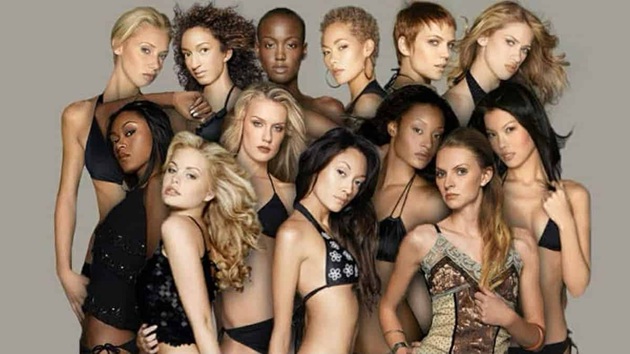
This cultural shift suggests that:
- Legacy shows will continue to face renewed scrutiny
- Past success does not guarantee long-term reputation
- Audiences are actively participating in historical reinterpretation
Reality TV history is no longer static—it’s being rewritten in real time.
What The ANTM Backlash Means For The Future
The ongoing criticism of ANTM represents more than a reassessment of one show. It signals a broader transformation in how reality TV is created, consumed, and remembered.
Moving forward, the industry must navigate a new reality where:
- Content is permanently accessible and constantly reexamined
- Audience expectations evolve rapidly
- Ethical considerations are central to production decisions
- Reputation management is as important as ratings
Legacy shows like ANTM serve as both cautionary tales and learning opportunities. They remind the industry that what works today may not hold up tomorrow.
Ultimately, the future of reality TV will depend on its ability to balance innovation with responsibility—ensuring that entertainment evolves alongside the values of its audience.