
With Perfect Match Season 4 set to premiere on May 13, 2026, Netflix is pushing reality TV into a new phase—one where individual shows no longer exist in isolation. Instead, they are becoming part of a shared universe of interconnected personalities, storylines, and fan bases.
What started as a dating competition has evolved into something much bigger. By pulling contestants from multiple franchises like Love Is Blind, Too Hot to Handle, and The Circle, Perfect Match is transforming into a central hub for Netflix’s reality ecosystem.
This shift mirrors what superhero films did for cinema—building a network of recognizable characters across different properties to maximize engagement and longevity.
The Expanding Cast Strategy Behind Season 4
Season 4 introduces one of the most diverse crossover casts yet, including participants from outside Netflix’s core ecosystem. The addition of Ally Lewber—known from Vanderpump Rules—marks a significant moment, signaling that the platform is now willing to blur boundaries between networks and franchises.

This strategy expands the show’s reach in several ways:
| Casting Source | Strategic Benefit |
|---|---|
| Netflix originals | Reinforces internal franchise loyalty |
| External reality shows | Attracts new audience segments |
| Returning fan favorites | Maintains continuity and engagement |
| Influencer personalities | Boosts social media visibility |
By combining familiar faces with new cross-network talent, Perfect Match is building a cast designed not just for drama—but for maximum cultural impact.
Why Shared Universes Work In Reality TV
The concept of a shared universe isn’t new, but its application in reality TV is relatively recent. Traditionally, unscripted shows reset each season with new casts and minimal continuity. Now, platforms are recognizing the value of long-term character investment.
This approach offers several advantages:
- Viewers already know the contestants, reducing onboarding friction
- Pre-existing relationships create deeper, more complex storylines
- Fans follow personalities across multiple shows, increasing retention
- Social media engagement compounds across appearances
Reality TV is shifting from episodic storytelling to character-driven ecosystems, where contestants function more like recurring leads than one-time participants.
The Role Of Streaming Platforms In Driving This Trend
Netflix is uniquely positioned to build a shared reality universe because it controls both production and distribution across multiple formats. This allows the platform to experiment with crossover storytelling at scale.
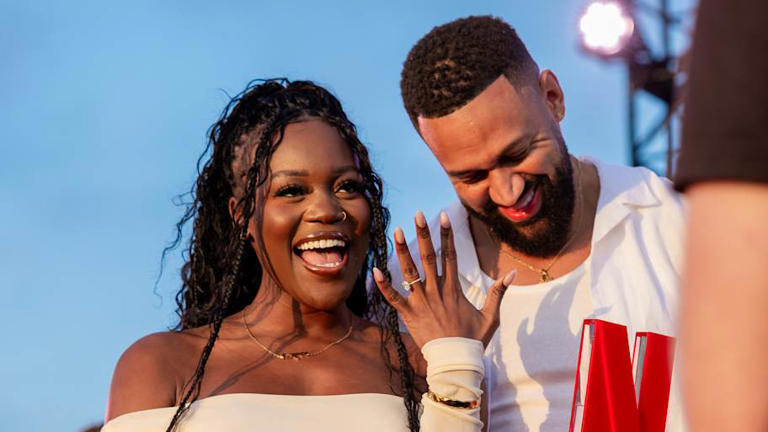
According to coverage from People on the Season 4 cast reveal, the show is intentionally designed to bring together personalities from different series, reinforcing the idea that these shows are no longer standalone experiences.
This strategy aligns with a broader industry trend: streaming platforms are prioritizing content ecosystems over individual hits.
As explored in our breakdown of reality TV stars building long-term careers, platforms are increasingly investing in personalities that can sustain relevance across multiple projects—not just a single season.
Social Media Amplifies The Shared Universe Effect
The success of Perfect Match as a crossover format is amplified by social media. Contestants don’t just interact on screen—they continue their narratives across Instagram, TikTok, and podcasts.
This creates a continuous loop where:
- Relationships evolve beyond the show
- Conflicts extend into real-time audience conversations
- Fans track multiple storylines simultaneously
- Engagement persists long after episodes air
The shared universe doesn’t end with the show—it expands into a multi-platform narrative experience.
The Risk Of Overlap And Audience Fatigue
While the shared universe model offers clear benefits, it also introduces potential challenges. Reusing contestants across multiple shows can lead to overexposure and diminishing returns.

Key risks include:
- Repetitive storylines involving the same personalities
- Reduced novelty for long-time viewers
- Audience fatigue from constant crossover casting
- Difficulty introducing new talent into an established ecosystem
Balancing familiarity with freshness will be critical for maintaining long-term interest.
What This Means For The Future Of Reality TV
Perfect Match Season 4 is more than just another dating show—it’s a blueprint for where reality TV is heading. The industry is moving toward interconnected content strategies, where shows function as chapters within a larger narrative universe.
Looking ahead, we can expect:
- More crossover-driven formats across platforms
- Increased collaboration between networks and franchises
- Reality stars becoming multi-show personalities
- Expanded storytelling beyond traditional formats
This evolution reflects a fundamental shift in how audiences consume content. Viewers are no longer just watching shows—they’re following ongoing narratives across an entire ecosystem.
Reality TV As A Connected Entertainment Network
The rise of shared universes signals a new identity for reality TV. It’s no longer defined by isolated concepts or one-off casts. Instead, it’s becoming a connected network of personalities, stories, and experiences.
Perfect Match sits at the center of this transformation, acting as both a convergence point and a testing ground for future formats.
If successful, this model could redefine unscripted entertainment—turning reality TV into something closer to a living, evolving universe rather than a collection of separate shows.