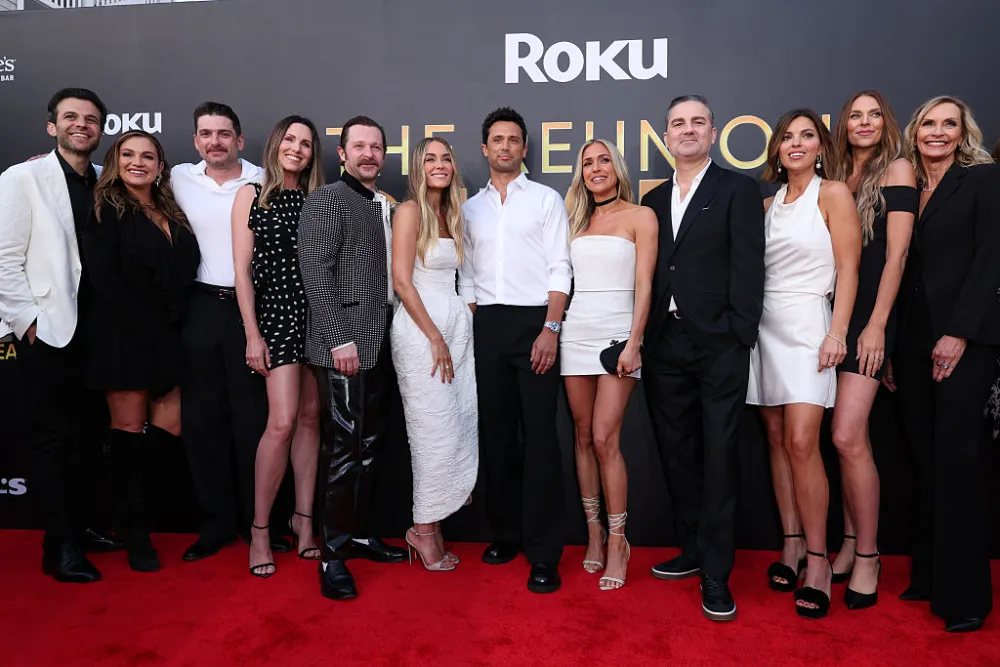
When Laguna Beach: The Real Orange County premiered in 2004, it helped define an entire era of reality television—one built on aspirational lifestyles, teenage drama, and carefully curated “reality.” Two decades later, its 20th anniversary reunion, released on Roku Channel in 2026, does more than revisit old storylines. It signals something much bigger: nostalgia is no longer just a marketing tactic—it’s a full-fledged business model.
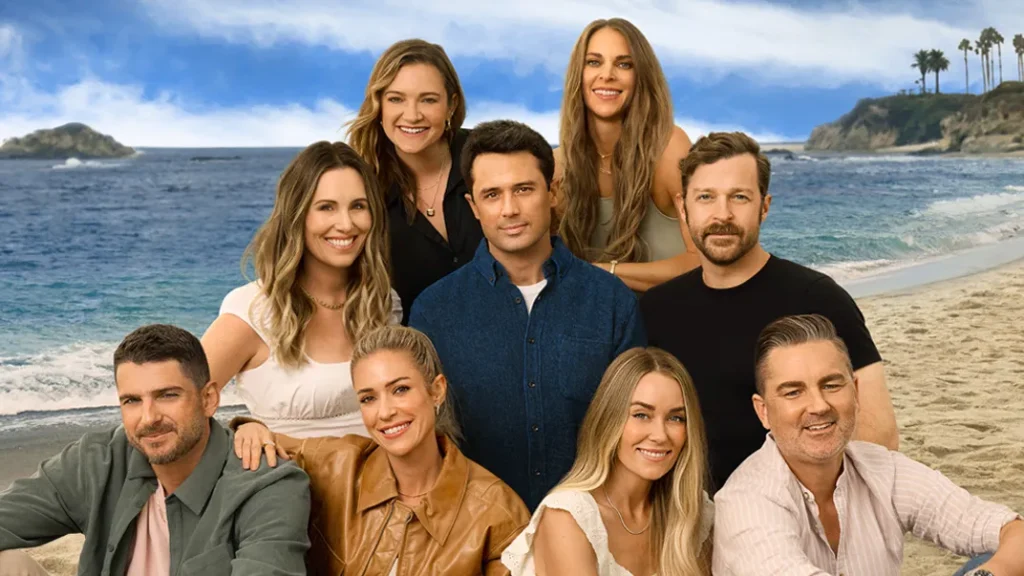
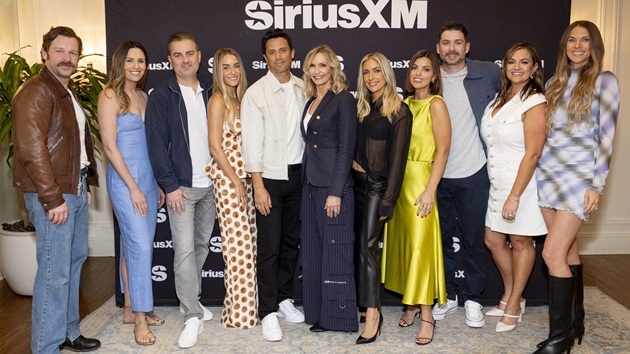
The reunion brings back key figures like Lauren Conrad, Kristin Cavallari, and Stephen Colletti, allowing audiences to reconnect with personalities who helped shape early 2000s pop culture. But unlike traditional reunions, this one is positioned as a premium content event, designed to drive platform engagement, media coverage, and cross-generational interest.
In today’s saturated streaming landscape, the past has become one of the most valuable assets the industry owns.
Why Nostalgia Works Better Than Ever
The success of the Laguna Beach reunion is rooted in a simple but powerful reality: audiences are more emotionally connected to legacy content than to most new programming. Shows that defined a generation carry built-in familiarity, reducing the need for heavy marketing or audience onboarding.
That dynamic gives nostalgia-driven content several advantages:
| Nostalgia Factor | Business Impact |
|---|---|
| Established fan base | Immediate viewership boost |
| Cultural relevance | Strong media coverage |
| Emotional attachment | Higher engagement and retention |
| Cross-generational appeal | Expands audience reach |
Unlike new reality shows that must fight for attention, legacy reunions arrive with pre-existing emotional investment, making them highly efficient from a content strategy perspective.
The Evolution Of Reality TV Reunions
Reunions have long been a staple of reality TV, but their role has changed dramatically. What used to serve as a simple wrap-up has evolved into a standalone content format with its own narrative and commercial value.
The Laguna Beach reunion reflects this shift. Rather than focusing solely on unresolved drama, it emphasizes:
- Personal growth and life trajectories
- Behind-the-scenes reflections on production
- Cultural impact and legacy
- Reframing past narratives through a modern lens
This transformation turns reunions into retrospective storytelling events, where the past is reinterpreted in the context of present-day values and audience expectations.
According to insights highlighted in Vanity Fair’s coverage of the reunion special, the project was designed not just as a nostalgic look back, but as a way to contextualize the show’s influence on both reality TV and influencer culture.
Streaming Platforms And The Value Of Legacy IP
The Laguna Beach reunion also underscores a broader shift in how streaming platforms approach content. Instead of relying solely on new productions, platforms are increasingly investing in legacy intellectual property (IP)—reviving, reformatting, and repackaging existing brands.
This strategy offers multiple benefits:
- Lower development risk compared to original concepts
- Faster production timelines
- Built-in marketing through nostalgia
- Opportunities for cross-platform expansion
For platforms like Roku, which are competing with established giants like Netflix and Disney+, nostalgia-driven programming provides a cost-effective way to attract attention and differentiate their catalog.
As explored in our breakdown of reality TV crossovers building shared universes, the industry is increasingly focused on leveraging existing assets rather than constantly starting from scratch.
The Role Of Social Media In Amplifying Nostalgia
Social media plays a crucial role in turning reunions into cultural events. Clips from Laguna Beach—both old and new—circulate widely across TikTok and Instagram, creating a continuous feedback loop between past and present.
This dynamic allows nostalgia to function as interactive content rather than passive viewing. Fans don’t just watch—they:
- Revisit iconic moments
- Compare past and present versions of cast members
- Engage in discussions about how the show “aged”
- Share personal memories tied to the series
The result is a form of engagement that extends far beyond the reunion itself, turning nostalgia into an ongoing digital conversation.
Reframing The Past Through Modern Perspectives
One of the most compelling aspects of the reunion is how it revisits past storylines through a contemporary lens. Scenes that once seemed harmless or entertaining are now analyzed in the context of evolving cultural norms around representation, gender roles, and media ethics.
This adds a layer of complexity to nostalgia-driven content. It’s not just about reliving the past—it’s about reinterpreting it.
For example:
- Relationship dynamics are reassessed with greater awareness
- Production decisions are scrutinized for authenticity
- Cast members reflect on how the show shaped their public identities
This dual perspective—past experience and present reflection—gives reunions a depth that traditional reality programming often lacks.
Nostalgia As A Launchpad For New Opportunities
The Laguna Beach reunion also highlights how legacy shows can create new opportunities for both platforms and cast members. For the cast, returning to the spotlight can reignite personal brands and open doors to new ventures in media, fashion, and business.
For platforms, nostalgia-driven content can serve as a gateway to:
- Spin-offs and follow-up series
- Documentary-style retrospectives
- Cross-promotional campaigns
- New audience acquisition through legacy appeal
This aligns with a broader industry trend where reality TV is increasingly viewed as a long-term ecosystem rather than a one-time production cycle.
The Risks Of Over-Reliance On Nostalgia
While nostalgia offers clear benefits, it also comes with limitations. Overusing legacy content can lead to diminishing returns, especially if audiences begin to feel that platforms are relying too heavily on past successes.
Key risks include:
- Repetitive formats that lack innovation
- Audience fatigue from constant reboots and reunions
- Difficulty attracting younger viewers unfamiliar with the original shows
- Potential backlash if the reunion fails to meet expectations
To remain effective, nostalgia must be balanced with forward-looking content strategies.
What The Laguna Beach Reunion Signals For The Future
The success of the Laguna Beach reunion suggests that nostalgia will play an increasingly central role in reality TV’s evolution. However, it also highlights the need for intentional, well-executed revivals that offer more than simple fan service.
Future trends are likely to include:
- More anniversary-driven reunion specials
- Hybrid formats blending nostalgia with new storytelling
- Greater emphasis on reflective, documentary-style content
- Strategic use of legacy IP as part of broader content ecosystems
The key will be finding ways to make the past feel relevant without relying on it entirely.
Nostalgia As Strategy, Not Just Sentiment
What makes the Laguna Beach reunion significant isn’t just its emotional appeal—it’s what it represents for the industry. Nostalgia is no longer a secondary consideration; it’s a core strategic pillar shaping how reality TV is produced, distributed, and consumed.
By transforming a 20-year-old series into a modern content event, the reunion demonstrates how legacy programming can be reimagined for a new era without losing its original impact.
In a media environment defined by constant change, the past has become one of the most reliable ways to move forward.