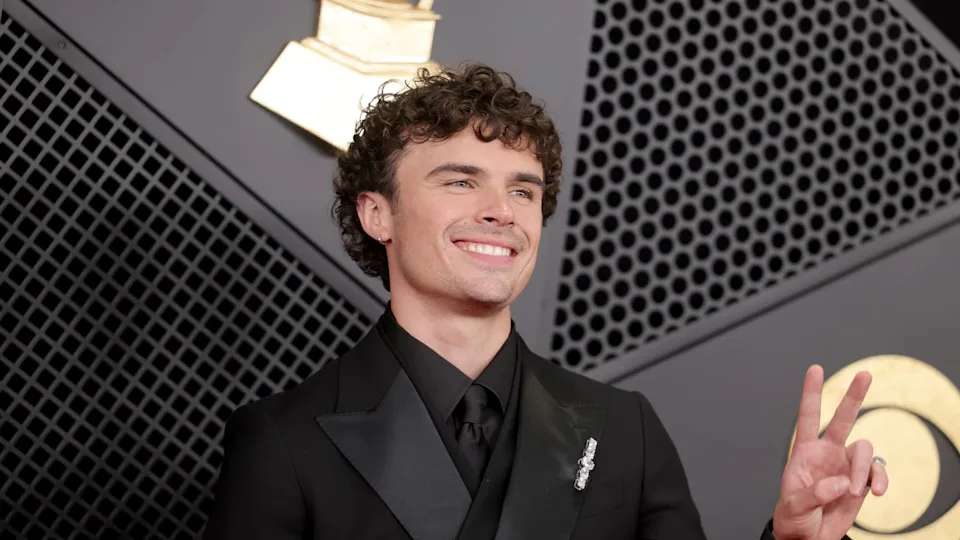
On May 12, 2026, ABC officially signaled a transformative shift in its casting philosophy by announcing that Jackson Olson, the breakout star of the Savannah Bananas, would join the roster for Dancing with the Stars (DWTS) Season 35. Olson’s inclusion follows the earlier reveals of Ciara Miller from Summer House and Maura Higgins, a veteran of Love Island and The Traitors. This specific trio of contestants highlights a deliberate pivot by executive producers to prioritize “viral equity” over traditional celebrity status. While the show has long featured a mix of athletes and Hollywood actors, the move to secure a social-media-first athlete like Olson suggests that ABC and Disney+ are aggressively targeting the digital-native demographics that now define streaming success.
Season 35 is scheduled to premiere in the fall of 2026, maintaining its dual-broadcast presence on ABC and Disney+ with next-day streaming available on Hulu. This distribution model requires a cast capable of bridging the gap between legacy broadcast viewers and younger, mobile-first audiences who rarely engage with linear television. By casting Olson—an athlete whose fame is inextricably linked to TikTok-style “Banana Ball” performances—the network is betting that viral engagement can be converted into prime-time ratings. This strategy reflects a broader industry trend where the metric for “celebrity” is increasingly measured by engagement rates and algorithm favorability rather than traditional film or television credits.
Bridging The Gap Between Reality TV And Viral Sports
The inclusion of Jackson Olson represents a unique intersection of sports and entertainment that rarely existed in previous decades. Unlike professional athletes from the NFL or Olympic circuits who have historically graced the DWTS ballroom, Olson’s platform was built through choreographed entertainment within a competitive sports context. The Savannah Bananas have revolutionized minor league baseball by prioritizing fan engagement and viral “showmanship,” making Olson a natural fit for a competition that values personality as much as technical footwork. This casting choice acknowledges that the line between a professional athlete and a high-tier content creator has effectively vanished in the eyes of the viewing public.
Joining Olson are Ciara Miller and Maura Higgins, both of whom represent the pinnacle of the modern “reality-to-mainstream” pipeline. Miller, a fan favorite from Bravo’s Summer House, brings a built-in audience of loyal cable viewers, while Higgins represents the global reach of the shared reality universe. Higgins’ trajectory from the UK version of Love Island to the American version of The Traitors demonstrates how international formats are creating a new class of “pro-contestants” who can carry a show’s narrative across different platforms and territories. This cross-pollination of talent ensures that Season 35 captures multiple sub-sectors of the reality TV fandom simultaneously, maximizing the “water cooler” effect in a fragmented media landscape.
| Contestant | Original Platform | Primary Demographic Target |
| Jackson Olson | Savannah Bananas (TikTok/Sports) | Gen Z & Digital-Native Sports Fans |
| Ciara Miller | Bravo (Summer House) | Millennial Cable & Reality Enthusiasts |
| Maura Higgins | The Traitors / Love Island | Global Streaming & Format Loyalists |
Casting As A Tool For Platform Growth
The decision to lean heavily into viral and reality-adjacent talent is not just an editorial choice; it is a calculated business move designed to support the broader Disney+ and Hulu ecosystem. As traditional linear television viewership continues to face headwinds, reality competition shows must serve as “top-of-funnel” marketing for streaming platforms. When a contestant like Maura Higgins or Jackson Olson performs, the resulting clips generate millions of impressions on TikTok and Instagram, many of which include direct calls to action to watch the full episode on Disney+ or Hulu. This creates a self-sustaining loop of engagement that traditional Hollywood stars often fail to trigger.
This casting strategy also addresses the “format fatigue” that often plagues long-running competition shows entering their fourth decade. By integrating personalities who are already comfortable with the “meta-commentary” of social media, DWTS ensures that the conversation surrounding the show remains active throughout the week, not just on broadcast night. As explored in our analysis of shared universe reality TV, the ability to transition from a niche format to a legacy platform like DWTS is the ultimate validation of a creator’s brand power. For Disney, these stars are low-risk, high-reward assets that come with their own built-in marketing departments—their millions of followers.
The Streaming Wars And The Demand For Unscripted Content
The landscape of unscripted television in 2026 is defined by a fierce competition for “live-adjacent” viewing. While scripted dramas are often consumed through delayed binge-watching, reality competitions like Dancing with the Stars retain their immense value by being “event television.” The casting of viral figures is essential to maintaining this “must-watch-now” atmosphere. If a contestant like Olson performs a viral-ready routine involving a baseball bat or a choreographed stunt, the audience wants to witness it in real-time to participate in the digital discourse. This sense of urgency is what keeps advertisers committed to the broadcast model while simultaneously driving new subscriptions for the Disney Bundle.

According to the latest Dancing with the Stars Season 35 cast reveals, the diversity of the roster is a direct response to the fragmented nature of modern consumption. ABC is no longer looking for one “mega-star” to carry the season; instead, they are assembling a mosaic of micro-influencers and reality icons who collectively cover the entire spectrum of the target audience. This “portfolio approach” to casting minimizes the risk of a season failing due to a lack of interest in any single individual. By diversifying the cast across different digital niches, the show ensures that it remains trending on multiple social platforms simultaneously every Monday night.
Analyzing The Impact On Reality TV Ethics And Standards
With the rise of “viral casting” comes a renewed discussion regarding the ethics of reality TV and the pressures placed on contestants who are already under intense public scrutiny. Stars like Maura Higgins and Ciara Miller have spent years navigating the complexities of their public personas, but the transition to a high-pressure, live-performance environment like DWTS adds a new layer of psychological and physical stress. The industry is currently grappling with how to support these “digital-first” stars as they move into the demanding world of professional ballroom dance, where technical critique can often feel more personal than a standard social media comment section.
Furthermore, the inclusion of “professional” reality stars in a competition once reserved for “celebrities” in the traditional sense has sparked a healthy debate among long-time fans. Some argue that the show is losing its “prestige” by casting from the influencer pool, while others contend that these individuals are the only true celebrities left in a fragmented culture. Regardless of where one stands on the debate, the data suggests that these casting choices are effective. Viral stars bring energy, a relentless work ethic, and a desperate desire to prove they belong on a “serious” stage, which often results in some of the most compelling and high-stakes television of the season.
The Future Of The Ballroom Ecosystem
As Dancing with the Stars Season 35 approaches its fall 2026 debut, the industry will be watching closely to see if the “Jackson Olson effect” translates into a sustained ratings bump among the coveted 18-34 demographic. If the Savannah Bananas’ unique “Banana Ball” energy can successfully merge with the technical rigors of the Paso Doble or the Viennese Waltz, it will provide a definitive blueprint for future seasons. We are likely to see more “non-traditional” athletes and “creator-first” personalities occupying slots that were once strictly reserved for sitcom stars, disgraced politicians, or retired Olympians.
Ultimately, the goal of Season 35 is to prove that Dancing with the Stars is not just a legacy program, but a vital and evolving part of the modern digital ecosystem. By leveraging the casting power of viral fame, ABC is ensuring that the Mirrorball Trophy remains a relevant symbol of cultural success in an era where fame is fleeting and the algorithm is king. The ballroom is no longer just a place for a career comeback; it has become a premier launchpad for the next generation of multi-platform superstars who understand that entertainment is a 24/7 engagement strategy.