
The rise of Creator TV vs reality TV is quickly becoming one of the most disruptive shifts in modern entertainment. YouTube creators are no longer just influencers—they are producing full-scale shows that rival traditional reality TV in both reach and engagement.
What makes this shift so significant is control. Unlike network-backed productions, creator-led shows are built around direct audience relationships, algorithm-driven distribution, and rapid content iteration. This allows creators to adapt formats in real time, something traditional reality TV simply can’t match.
The result is a new hybrid category—Creator TV—that blurs the line between social media content and professional unscripted programming.
Why YouTube Shows Are Competing With Reality TV
YouTube’s evolution into a serious entertainment platform has created a direct challenge to traditional reality TV. Creator-led shows are delivering high production value, consistent output, and massive audience reach, often without the overhead of network infrastructure.
Several factors are driving this shift:
| Factor | Creator TV Advantage |
|---|---|
| Distribution | Instant global reach via platform algorithms |
| Production speed | Faster turnaround than network shows |
| Audience connection | Direct interaction with fans |
| Cost efficiency | Lower budgets with high ROI potential |
This model enables creators to scale quickly while maintaining authenticity and relatability, two qualities that have become increasingly important to younger audiences.
The MrBeast Effect And The Rise Of High-Stakes Creator Shows
No discussion of Creator TV is complete without addressing the influence of large-scale YouTube productions. Creators like MrBeast have redefined what unscripted content can look like, producing competition-based formats with prize pools, cinematic visuals, and viral storytelling mechanics.
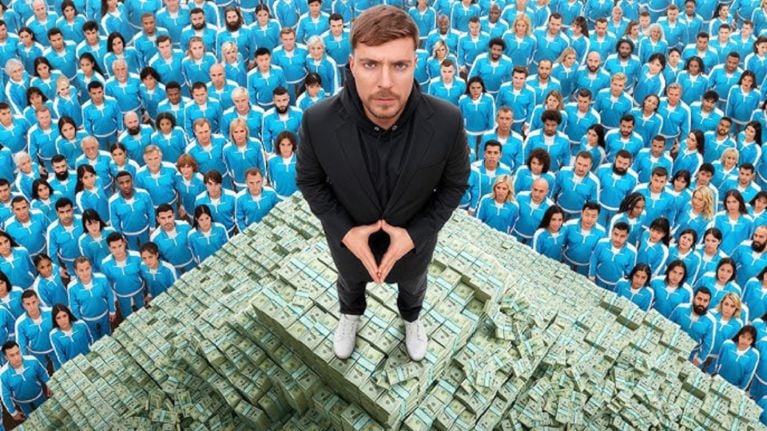
These shows mirror traditional reality competitions but with key differences:
- Faster pacing and immediate hooks
- Simplified rules designed for digital audiences
- Built-in shareability and viral moments
- Direct reinvestment into bigger productions
This approach has effectively turned YouTube into a testing ground for next-generation reality formats, where ideas can scale globally without traditional gatekeepers.
The Economics Of Creator TV Vs Traditional Reality
From a business perspective, Creator TV introduces a fundamentally different model. Traditional reality TV relies on advertising deals, network distribution, and long production cycles. Creator TV, by contrast, operates on platform monetization, sponsorships, and direct audience engagement.
This creates a more flexible and scalable system:
- Revenue streams include ads, brand deals, and merchandise
- Content performance is measured instantly through analytics
- Successful formats can be expanded rapidly without network approval
According to recent industry insights from Business Insider, creator-led shows are approaching the scale of traditional television, signaling a shift in how entertainment value is measured and monetized.
For networks and streaming platforms, this presents both a challenge and an opportunity—adapt or risk losing relevance.
Authenticity Vs Production: What Audiences Actually Want
One of the biggest differences between Creator TV and traditional reality TV lies in perception. While reality shows are often criticized for being overly produced or scripted, creator-led content thrives on authenticity and transparency.
Audiences are increasingly drawn to:
- Real-time reactions
- Behind-the-scenes access
- Less polished, more relatable storytelling
- Direct engagement with creators
This doesn’t mean production quality is ignored—it’s simply balanced with a sense of immediacy and honesty that resonates more strongly with digital-native viewers.
How Traditional Reality TV Is Responding
The rise of Creator TV is already influencing how networks and streaming platforms approach unscripted content. We’re seeing a gradual shift toward shorter formats, more interactive elements, and increased integration with social platforms.

Some key adaptations include:
- Casting influencers and digital personalities
- Designing formats with viral moments in mind
- Expanding shows beyond episodes into social media ecosystems
- Experimenting with live and interactive features
As discussed in our analysis of yacht-based reality shows redefining luxury formats, the industry is actively evolving to stay competitive, blending traditional production with modern audience expectations.
The Convergence Of Platforms And Formats
Rather than replacing reality TV, Creator TV is pushing the industry toward convergence. Streaming platforms are beginning to adopt creator-style formats, while top creators are moving into larger, more structured productions.
This hybrid model could define the future:
- Creator-led shows distributed on streaming platforms
- Reality TV formats designed for digital-first audiences
- Cross-platform storytelling spanning YouTube, TikTok, and Netflix
The distinction between “TV” and “online content” is becoming increasingly irrelevant.
What This Means For The Future Of Unscripted Entertainment
The battle between Creator TV and traditional reality TV isn’t about one replacing the other—it’s about who adapts faster to changing audience behavior.
Looking ahead, the most successful players will likely:
- Combine authenticity with high production value
- Build communities, not just audiences
- Leverage data to refine content in real time
- Expand beyond episodes into full entertainment ecosystems
Ultimately, Creator TV represents more than a trend—it’s a structural shift in how content is created, distributed, and consumed.
Reality TV isn’t disappearing. It’s being reshaped—and YouTube creators are leading the transformation.