
Let’s talk numbers, shall we? Corporate spreadsheets and percentage points have become the new language of inclusion. I’ve been crunching the data behind Hollywood’s cast diversity claims. The transparency level rivals a Housewives reunion after three cocktails.
ViacomCBS recently revealed their diversity report card. The numbers tell a familiar story: 63.8% white employees overall. BIPOC representation in senior leadership? Less than 25%. That’s not progress – that’s tokenism with better production values.
When networks talk about “inclusion goals,” I’m reminded of that magical summer of 2020. Every show suddenly discovered Black people existed. True representation requires more than just adding melanin to your casting calls. It demands structural change.
We’re about to unpack what these numbers really mean beyond the PR spin. Because behind every percentage point lies a story about who gets to tell America’s stories.
Inclusion Efforts Over the Years
If reality TV’s inclusion efforts were a competition, we’d be waiting for a winner. The progress has been slow, like a contestant figuring out The Mole. It’s been entertaining to watch.
Reality TV has grown, moving past the days of just one diverse person. Those early 2000s seasons were awkward. I remember them well.
Then, networks saw that diverse casting is not only right but also good TV. It brings better stories and fresh views. And let’s be honest, it boosts ratings.
CBS made a big move by setting aside 25% of its unscripted budget for BIPOC-led projects. This is real money backing inclusion. But is it just for show?
| Year | Show | Inclusion Milestone | Network Impact |
|---|---|---|---|
| 1992 | The Real World | First racially diverse reality cast | Groundbreaking but isolated |
| 2004 | America’s Next Top Model | Consistent diverse casting | Proved diversity sells |
| 2020 | Various | CBS budget commitment | Financial investment in inclusion |
| 2022 | Lizzo’s Watch Out for the Big Grrrls | Body diversity mainstreaming | Expanded inclusion definitions |
I’ve been watching these changes closely. The shift from tokenism to trend to gold is clear.
But is this change real or just a show? Networks respond to pressure and success. And diverse stories are a hit.
True inclusion goes beyond just casting. It’s about diverse teams and decision-makers. That’s where real change happens.
So, where are we? We’re in a mix of corporate strategy and real progress. This messy middle is perfect for reality TV.
Cast Selection Behind the Scenes
Ever wonder why some reality shows feel like they’re from another world? It’s not the casting calls that are the problem. It’s who’s behind the scenes. Shows like Love & Hip Hop and Real Housewives often portray Black culture in a way that’s cringeworthy.
There’s a team of producers who don’t look like the people they’re filming. This team shapes the show’s narrative, often using stereotypes. Lindemann calls this the “nouveau riche black women” obsession, a modern take on minstrel shows.
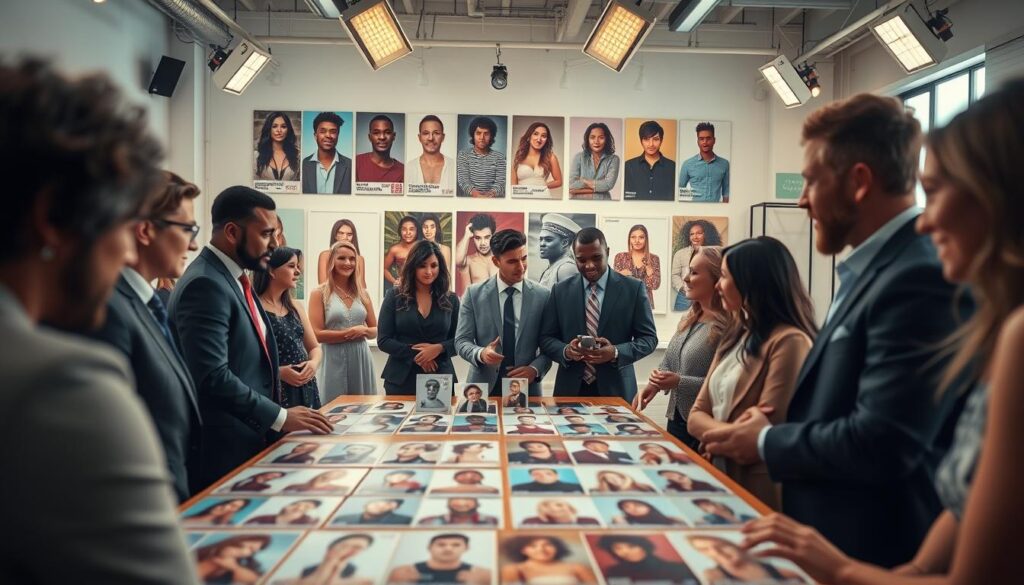
True representation means having diverse voices in the editing room. It’s not just about having people of color on camera. Without diverse voices, shows feel like tourists taking selfies without understanding the place.
The fix is simple: empower diverse voices in production. Hire writers, directors, and producers from different backgrounds. When people of color are in charge, we get stories that are real and authentic.
Here’s what happens when production teams reflect their subjects:
| Diverse Production Team | Homogeneous Team | Audience Impact |
|---|---|---|
| Authentic cultural context | Stereotypical portrayals | Higher engagement |
| Nuanced storytelling | One-dimensional edits | Better reviews |
| Community trust | Exploitative dynamics | Longer show lifespan |
| Innovative perspectives | Recycled tropes | Cultural relevance |
Shows with diverse teams do better. They’re more creative, authentic, and fun to watch.
Next time you watch a reality show, think about who’s behind the camera. The answer might explain why some shows feel like cultural tourism, not real storytelling.
On-screen vs. Real-World Impact
Reality TV doesn’t just mirror society; it distorts it. This distortion becomes our reflection. It’s like watching a funhouse mirror version of ourselves.
Producers’ casting choices have big effects. By excluding plus-size contestants, they send a harmful message. They make us believe love has a weight limit. This lack of cast diversity shows the biases they claim to just show.
In Los Angeles, Black cultural experiences are turned into entertainment. This creates a cycle where reality TV shapes real life. It makes us wonder what’s real anymore.
The exclusion of diverse body types is striking. Shows like Love Is Blind often cut out fuller-figured contestants. They make fun of them, shaping beauty standards instead of showing them.
These choices affect our dating and how we see ourselves. The impact goes beyond TV into our daily lives. As this analysis shows, reality and fiction are now mixed.
True cast diversity means more than just including different people. It’s about showing real life, not just stereotypes. The best shows know their casting choices shape our culture.
We live in a time where reality TV’s influence is huge. The values shown on TV slowly become our own. We need to think about what kind of society we want to see reflected in TV.
Representation Matters: Audience Response
Today, viewers don’t just watch TV – they analyze it on social media. They’ve become the “armchair diversity consultant” with Twitter fingers and high standards.
People now want real inclusion, not just token efforts. Gone are the days of being thankful for small parts. Now, we expect full stories that mirror our world. This change is huge.
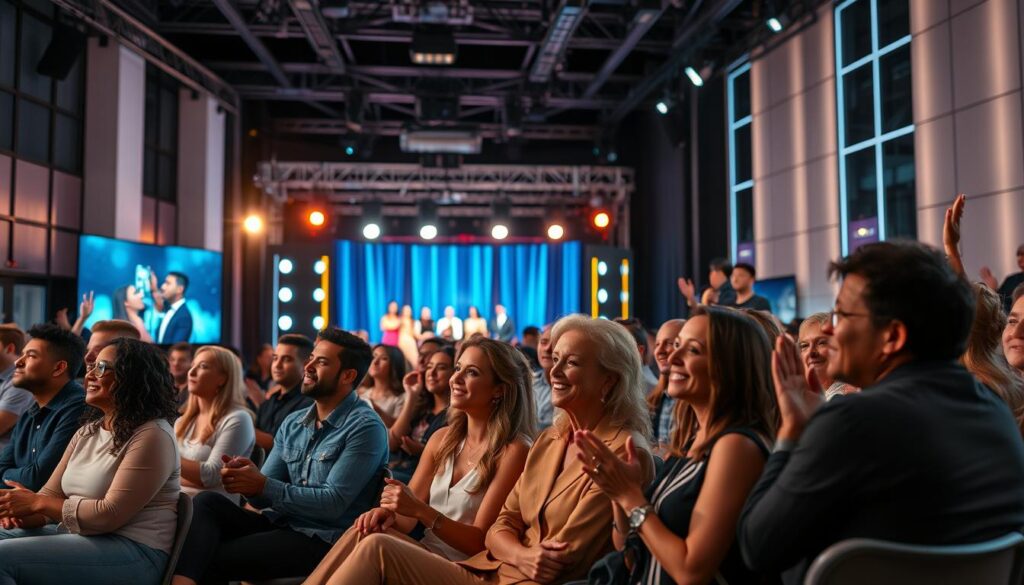
Shows that get representation right become hits. RuPaul’s Drag Race taught millions about queer culture. Queer Eye turned makeovers into lessons in empathy.
But shows that fail on inclusion get slammed. Remember Love Is Blind season 2? The internet was quick to point out its diversity flaws. When representation feels forced, not real, we notice.
Loryn Wilson Carter’s words resonate deeply. She wants to see “a married fat Black woman” on TV. It’s not about favors – it’s about seeing our lives valued.
The audience’s feedback is now the ultimate test for TV networks. We’re not just watching; we’re judging for inclusion. The message is clear: show us, or face the digital backlash.
This isn’t about being PC. It’s about knowing diverse stories are better. They’re more engaging, richer, and more fun. The audience has spoken, and TV needs to listen.
Notable Milestones and Firsts
Let’s celebrate some real progress, shall we? The world of reality TV has seen some big representation wins. These moments are worth shining a light on.
RuPaul’s Drag Race did more than just introduce drag to the mainstream. It gave LGBTQ+ stories a big stage. The show made queer excellence the star, not just a side note.
Queer Eye changed the game by focusing on emotional growth. The Fab Five showed us that empathy can be as powerful as a makeover. They taught us about the importance of kindness and understanding.
Empire brought us Becky, a fat Black woman with real power and depth. This wasn’t just a token character. It was a fully fleshed-out person that showed respect for the audience’s smarts.
The Amazing Race also made a mark by treating global cultures with respect. It showed us that international reality TV can be more than just a backdrop. It can be a way to learn and appreciate different cultures.
These achievements are important because they set new standards for TV. When stories are diverse and done well, we get better TV. TV that truly reflects our world.
The Road Ahead
So, what’s next for reality TV? The future depends on the industry’s ability to change. It needs to meet audience needs and make cast diversity more than just a buzzword.
I’ve seen many attempts at change, but they often fail. The real challenge is not just about meeting quotas. It’s about changing the systems that made those quotas necessary. Are we making real progress or just going through the motions?
True diversity means BIPOC people making decisions, writing, and producing shows. It’s about telling real human stories, not just checking boxes. If we don’t, audiences will keep asking for something more.
The path forward requires real commitment. Let’s hope the industry is ready to follow through.