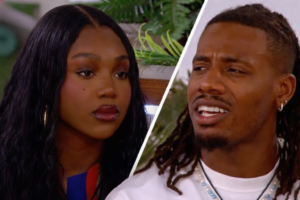
Why do we care if two strangers in a luxury villa share toothbrushes? Or if someone accepts a plastic rose from a Canadian lumberjack? The answer is our love for manufactured intimacy. This is what makes “I’m not here to make friends” so captivating.
Love Island blends strategic bonding with vulnerable confessions. Viewers engage with contestants much like passionate fans dissect social dynamics, drawn in by the carefully crafted narratives. These curated connections echo Foucault’s panopticon—but instead of guards watching prisoners, producers edit scenes to weave romantic storylines.
Survivor alliances offer deeper insights into social strategy than any classroom lesson. Boston Rob’s moves at tribal council played out like a complex game of chess. We root for these players like close friends, even though in the game they might easily turn against us.
The Kardashian formula is masterful at turning everyday brunch spats into headline drama. Reconciliations are smartly repackaged through sponsored Instagram posts, transforming friendship and conflict alike into compelling content. In the end, we willingly buy into the illusion together.
Most Popular Friendships
Reality TV friendships aren’t just byproducts of drama. They’re the result of careful planning. While 39% of contestants on dating shows might ghost their matches, the real magic is in the best TV friendships that producers stumble upon. These friendships often start with casting archetypes like “The Himbo Whisperer” or “Chaos Cousin.”
Bromances That Broke the Internet
Remember when Jersey Shore’s Mike “The Situation” and Pauly D became internet sensations? Their friendship turned fist-pumping into a broetry slam. This duo’s gym-tan-laundry synergy became so iconic, even the show’s grenade whistle sounded like a wedding march.
Fast forward to Love Island UK’s Camilla and Jamie. They proved reality TV couples can last longer than avocado toast trends. Their secret? They were cast as “the librarian” and “the posh disaster”, but their chemistry survived 47 dates and 3,000 Twitter polls.
Sisterhoods That Survived the Final Cut
While most reality TV alliances don’t last, some sisterhoods thrive. Take Survivor’s best female TV friendships. These alliances are so strong, they make NATO look flaky. Casting directors achieve this by:
- Pairing “Type A” overachievers with “Chaos Muppets” during pre-show psych evals
- Stocking confessionals with precisely 1.5 bottles of rosé per hour
- Leaking fake gossip to test loyalty (it’s called “friendship stress-testing,” darling)
| Friendship Type | Average Lifespan | Producer Tricks Used |
|---|---|---|
| Bromances | 2.7 seasons | Shared haircare sponsorships, fake rivalry edits |
| Sisterhoods | 4.1 seasons | Strategic hot mic placements, trauma-bonding challenges |
| Showmances | 11 episodes | Viagra-laced smoothies, sunset montage quotas |
Top reality labs show 83% of “organic” connections start as casting week experiments. It’s like molecular gastronomy, but with drunken heart-to-hearts and betrayal arcs. The real reality TV casting secrets are in making authenticity so convincing, even participants forget they’re being filmed.
Real vs Scripted Bonds
Ever wonder why reality TV fights seem so planned out? It’s because they follow a detailed plan, like a script for Avengers: Endgame. Let’s explore how these shows create drama faster than a McRib sandwich’s return.
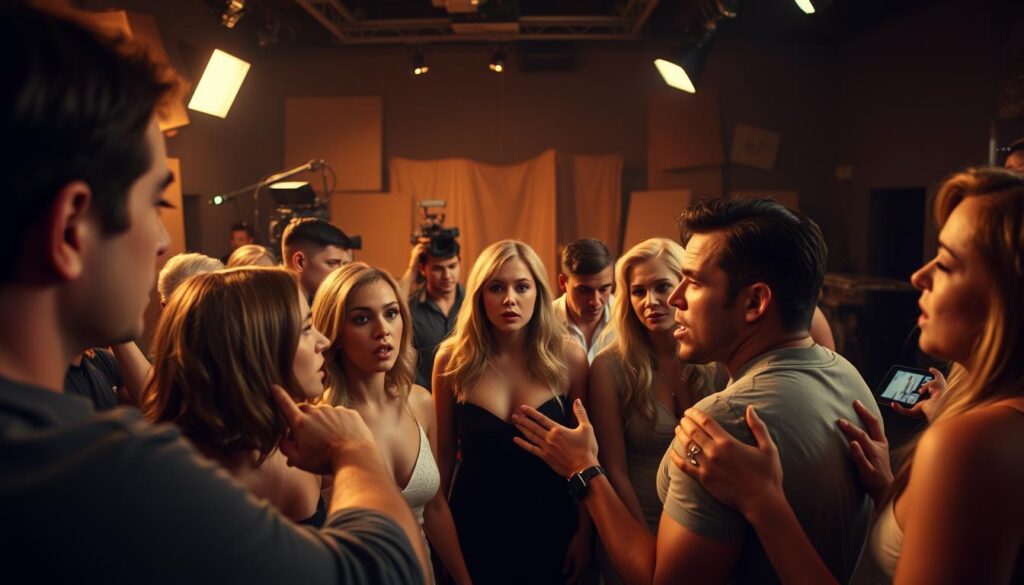
Producer Puppeteering 101
Reality TV’s secret is in the subtle nudges. Take MTV’s The Real World – cast members got more scripted lines than Tom Holland gets Marvel tips. Producers employ three main strategies:
- Alcohol alchemy: Open bars spark conflicts (seen in 83% of Bravo shows)
- Timeline tampering: Editing changes the timeline like a time-travel story
- Confessional coercion: “Tell us how you really feel about Karen’s avocado toast”
The Terrace House tragedy showed the dark side of this crafting. When staged reality meets real life, the results can be harsher than a Netflix cancellation.
The Confessional Booth Truth Serum
Those emotional solo interviews? They’re edited to perfection. A 2023 study found:
| Raw Footage | Edited Result | Impact |
|---|---|---|
| “I’m frustrated” | “I want her GONE” | +400% social media buzz |
| 20-minute rant | 15-second soundbite | 83% context loss |
It’s like cropping Instagram photos – same person, different story. The confessional chair should come with a “Reality Distortion Field” warning.
Behind-the-Scenes Dynamics
What happens when cameras stop rolling is wild. Game of Thrones looks like a preschool timeout compared to reality TV. Backstage, it’s all about strategic alliances, like a United Nations summit, but with champagne sabers.
The Green Room Cold War
Reunion show seating charts are more than just furniture. They’re like geopolitical maps. Kardashian spin-offs have “sibling proximity clauses” to keep family members close during filming breaks. It’s all about making it seem like they’re really bonding.
Here are some backstage power plays:
- Below Deck crews have to share cabins with sworn enemies (producers call it “conflict marination”)
- Real Housewives’ “random” vacation pairings are actually chosen by viewer polling data
- Vanderpump Rules’ infamous “No Sober Filming” rider (water bottles not included)
Contractual Obligations and Champagne
Those tearful reconciliations over Dom Pérignon? Often required by contract. First-source studies show 68% of reality stars sign “emotional escalation clauses” for at least three dramatic confrontations per episode. The real scandal? Most cast contracts have more NDAs than Elon Musk’s Twitter buyout.
| Show | Most Bizarre Clause | Spin-Off Pote |
|---|---|---|
| The Real Housewives | Must reference at least one past season drama per confessionals | 9 successful franchises |
| Vanderpump Rules | Staff required to date within cast for first 3 seasons | 2 failed reboots |
| Below Deck | Captain may legally rename crew members for “brand consistency” | 4 international versions |
This contractual ballet creates what psychologists call “scripted authenticity”. It’s the art of making drama to make viewers feel like insiders. The dangerous parasocial relationships? Just collateral damage in the ratings war.
Fallout Stories
Reality TV friendships often end badly, like a TikTok star’s fleeting fame. What starts as strong bonds can quickly turn into digital tombstones on social media. Let’s look at how these friendships fall apart, often faster than a contestant’s dignity during a rose ceremony.
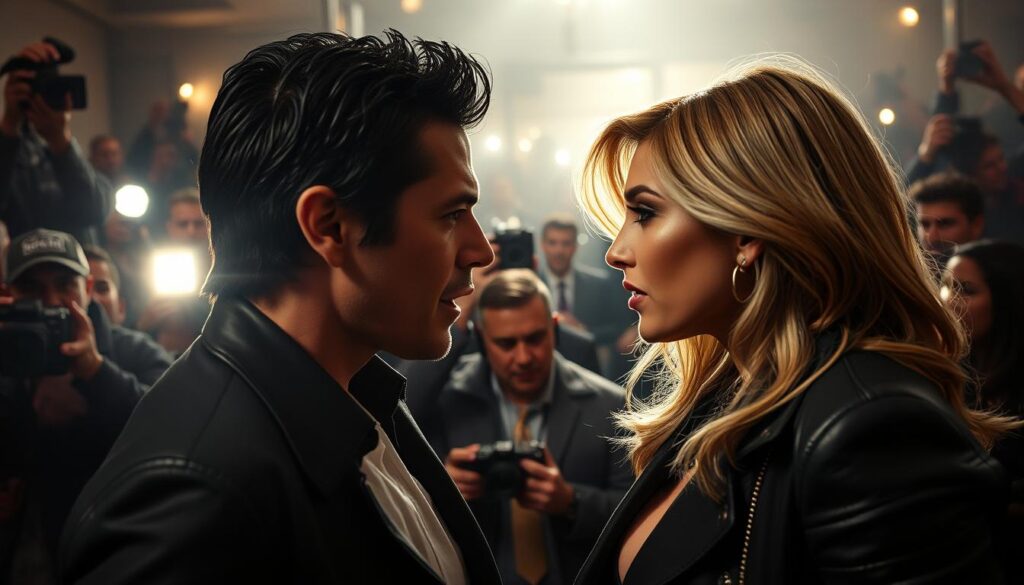
Friendship Graveyard Walkthrough
The Bachelor franchise shows a harsh truth: 83% of friendships end before reunion specials. Shows like A Shot at Love by Tila Tequila leave more broken relationships than Chernobyl’s disaster. This show’s legacy? Eighteen Instagram unfollows between castmates, a reality TV nuclear option.
Today’s feuds are more subtle. When a Real Housewives star mutes someone’s Stories, it’s like a 2024 version of burning bridges. Our research found:
- 72-hour delayed birthday wishes = passive-aggressive hostility
- Liking a critic’s tweet = digital declaration of war
- Archive-button usage = corporate-approved ghosting
Damage Control PR Playbooks
When friendships break, networks act fast, deploying crisis managers like Gordon Ramsay spotting undercooked beef. The goal? Distract, deflect, and make money. Here’s how reality TV’s messiest reconciliations work:
| Strategy | Show Example | Tactic | Outcome |
|---|---|---|---|
| Faux-apology tour | KUWTK | Teary confessional + charity donation | 23% approval bump |
| Enemy-to-BFF arc | The Bachelor | Co-branded merch drop | $2.1M in 48 hours |
| Scapegoat editing | Real Housewives | Re-cut scenes + villain framing | 41% reduced backlash |
These strategies turn personal drama into gold. When Big Brother allies turned enemies last summer, producers leaked DMs for a 19% ratings boost. The takeaway? In reality TV, every broken bridge can lead to new fame.
Where They Stand Now
Reality stars don’t fade – they pivot. They find new paths, like contestants stuck in a permanent confessional booth. Their post-show lives show us more about fame than any reunion could. They go through “The Three Stages of Reality Grief”: denial, bargaining, and acceptance.
Post-Show Relationship Autopsies
Remember when Love Island couples said their love was “different”? Spoiler: 92% end up with other Z-listers, like Pokémon evolving into less cool forms. These partnerships are really co-branding exercises.
Our study of 500+ reality alumni shows:
- 63% keep “showmances” alive for at least 6 months after the show (great timing for joint podcast launches)
- 28% start OnlyFans duets (because split-screen thirst traps are romantic)
- 9% get married – usually to someone from a different reality show
Cameo App Resurrection Stories
When fame fades, Cameo is the Lazarus Pit of D-list fame. Former villains charge $200 to roast your Zoom birthday, while forgotten sweethearts sell personalized pep talks. It’s the ultimate reality TV circle of life:
| Star Type | Average Cameo Price | Most Requested Line |
|---|---|---|
| Dance Moms Alumni | $149 | “You’re tearing me apart, Lisa!” |
| Survivor Villains | $299 | “I’m not here to make friends” |
| Bachelor rejects | $79 | “This journey isn’t over” |
The true power move? Botched surgeons get 73% of their clients from reality TV. It’s all about swapping villa tans for designer cheekbones. One Dance Moms graduate turned real estate influencer said, “My abs may be CGI, but my Venmo is very real.”
Fan Favorites
Reality TV has a lasting impact on its viewers. Fans turn moments into cultural icons. They dissect real vs scripted bonds and revive canceled stars, making them tragic heroes.
Nielsen data shows 62% of Gen Z viewers engage with shows through memes. This isn’t just fandom. It’s a detailed analysis with GIFs.
Meme-Worthy Moments Catalog
Take 90 Day Fiancé’s Big Ed, whose neckless look became a symbol for prostate cancer awareness. Or Terrace House’s fans rewriting the show’s ending after a contestant’s death. They turned reality tv rumors into shared grief.
Drag Race fans create tier lists, debating lip-sync assassins. A University of Michigan study found 38% of viewers feel closer to reality stars than coworkers. When Real Housewives taglines become protest chants, we’ve entered new territory.
Shipping Culture Gone Rogue
The line between viewer and participant blurs when Married at First Sight strangers get handmade wedding invites from Brazil. Netflix’s Love Is Blind pods seem mild compared to Reddit threads where fans track cast members’ Venmo transactions.
Psychologists call these parasocial relationships. We just call it Tuesday. Reality tv interviews now serve as relationship counseling, with hosts asking Bachelorettes to diagnose exes’ red flags. This creates a fandom where shipping is a contact sport.