
There was a time when being labeled the “villain” on reality television meant social media exile. Early-era antagonists were framed as cautionary tales — players audiences loved to hate but rarely defended.
In 2026, that dynamic has changed.
Today’s reality TV villain is often the most talked-about contestant, the meme generator, the ratings driver — and increasingly, the fan favorite. Across competition formats like The Traitors, House of Villains, Big Brother, and Love Is Blind, viewers are no longer automatically rejecting the controversial player. Instead, they’re analyzing, defending, and sometimes outright rooting for them.
The shift is cultural, strategic, and economic.
Strategy Over Sentiment: The Competitive Reframing
Modern audiences are more fluent in game mechanics than ever before. Years of watching social deduction, alliance-based eliminations, and manipulation-driven formats have trained viewers to distinguish between cruelty and strategy.
A lie told in The Traitors is no longer viewed purely as betrayal — it’s gameplay. A blindsiding vote in Big Brother is not a moral failure; it’s positioning. Fans now dissect episodes like sports analysts, evaluating risk management and long-term planning rather than emotional tone.
In fact, our recent Traitors recap coverage highlights how players once labeled “deceptive” are now praised for precision and nerve.
This reframing matters. The villain is no longer simply disruptive. They are often the most tactically disciplined competitor in the room.
Social Media Has Rewritten The Narrative
The rise of TikTok, X, Instagram Reels, and recap podcasts has created an ecosystem where edit manipulation is openly discussed. Audiences understand that producers craft storylines. That awareness has softened automatic judgment.
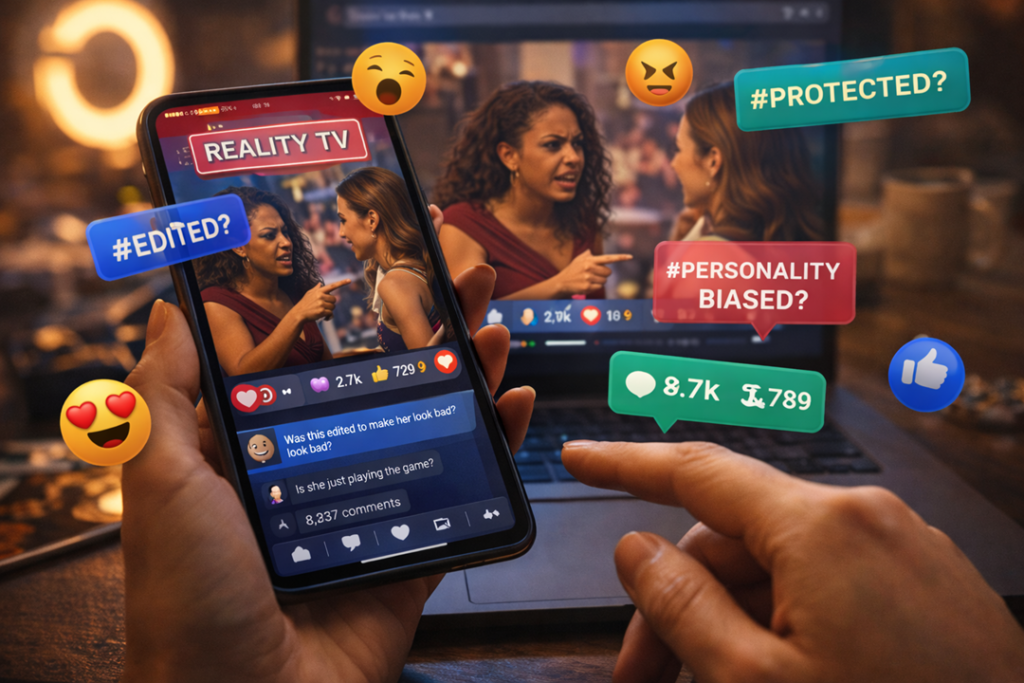
When a contestant is framed as arrogant or manipulative, fans frequently push back:
- Was the edit selective?
- Were other players protected?
- Is this strategic confidence being misread as ego?
Rather than accepting the narrative at face value, viewers now crowdsource interpretation.
This aligns with broader digital behavior trends. According to Pew Research on social media behavior, audiences increasingly engage with media through commentary and debate rather than passive consumption. Reality TV becomes participatory — and villains often drive the most engagement.
The villain isn’t just a character. They are a conversation catalyst.
The Economics Of Controversy
From a production standpoint, the “problematic” player has measurable value.
Controversial contestants generate:
- Higher episode engagement rates
- Increased clip circulation
- Podcast recap attention
- Post-episode debate threads
In a streaming economy that prioritizes retention and buzz, villains create friction — and friction keeps audiences invested.
Contained competition formats amplify this effect. When shows operate in single locations with intense social pressure, personality clashes become central to storytelling. Strategic antagonists ensure that episodes don’t stagnate.
The villain, in many cases, is structural glue.
Villains As Antiheroes, Not Outcasts
The cultural framing of villainy has also evolved.
Today’s viewers are steeped in antihero storytelling. From prestige dramas to influencer culture, morally gray figures dominate entertainment. Reality TV reflects that broader shift.
Rather than demanding spotless likability, audiences increasingly reward:
- Authentic bluntness
- Emotional transparency (even when messy)
- Tactical aggression
- Refusal to perform artificial niceness
In 2026, playing “too nice” can actually be perceived as boring. The audience wants volatility — but with self-awareness.
The Redemption Arc Is No Longer Required
Historically, reality villains needed redemption arcs to regain favor. Apologies, tears, growth edits — these were narrative staples.
That expectation has softened.
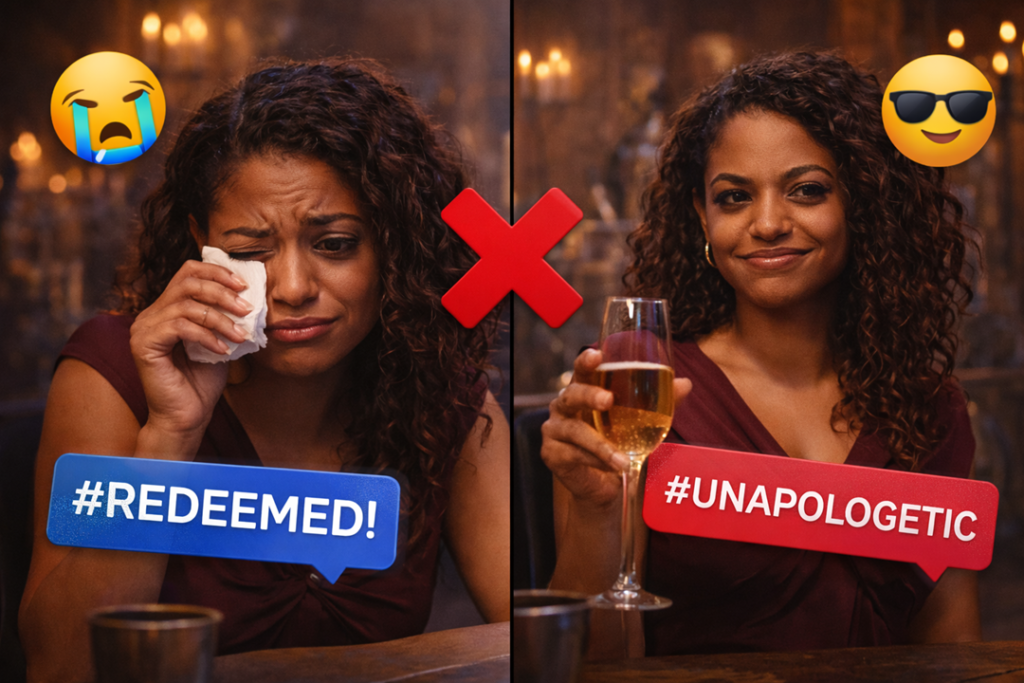
Many controversial contestants now maintain strong fan bases without fully pivoting their personas. Viewers distinguish between calculated game decisions and real-world harm more clearly than in previous cycles.
This distinction is critical. Strategic manipulation within a game is increasingly celebrated. Personal cruelty outside that context remains widely condemned.
The line hasn’t disappeared — it has become more nuanced.
When Does Villainy Still Backfire?
The embrace of the “problematic” player is not unconditional. Audience tolerance has boundaries.
| Strategic Behavior | Audience Reaction (2026 Trend) |
|---|---|
| Tactical deception within game rules | Often praised |
| Emotional manipulation framed as strategy | Debated but sometimes defended |
| Personal attacks unrelated to gameplay | Widely criticized |
| Off-show misconduct | Rapid backlash |
The villain thrives when their actions are seen as competitive rather than malicious. Once behavior crosses into personal harm or ethical violation, support evaporates quickly.
The modern viewer is strategic — but not indifferent.
Why This Shift Is Likely Permanent
Several structural forces suggest this isn’t a temporary trend:
- Long-running franchises have created sophisticated audiences.
- Social media democratizes narrative interpretation.
- Streaming platforms reward engagement intensity.
- Cross-casting brings experienced strategists into new formats.
As reality ecosystems expand, competitive literacy increases. Villains who understand optics and gameplay simultaneously can thrive.
The archetype has evolved from chaos agent to tactical antihero.
The Future Of The Reality TV Villain
Expect 2026 and beyond to feature:
- Self-aware antagonists who lean into the role
- Strategic confessionals that frame moves proactively
- Players who treat controversy as currency
- Audiences who separate character from competitor
The villain is no longer the cautionary tale of reality television. They are often its engine.
In an era where attention is fragmented and discourse drives value, the “problematic” player may be the most honest reflection of modern entertainment: complicated, strategic, polarizing — and impossible to ignore.