
Last week, HGTV cut four popular shows, including Farmhouse Fixer and Married to Real Estate. Fans were shocked, like a sudden storm. Reddit was filled with “What’s left?” questions, showing even property shows aren’t safe.
This isn’t just about missing shows. The 2025 cancellations show a big problem in the industry. Hits are disappearing fast, like in Survivor. It’s not Jeff Probst, but executives ending dreams.
What’s really shocking? These shows were big hits for HGTV during the pandemic. Their sudden end makes us wonder: Are we watching too much TV? Has the renovation craze ended? Or is TV changing, like gentrification?
For the latest reality TV news, keep reading. We’re digging into why your favorite shows might be gone.
Introduction: Cancellations That Hit Hard
Reality TV breakups are tough to handle. There’s no “we’ll always have Cabo” anymore. Instead, you get a network email that feels like a ghosting text. This year, the cancelled reality tv shows feel like they were dumped without warning.
Take HGTV’s recent cuts. One star found out their show was cancelled in Vegas. Another learned about it during a Tuscan wine tour. Cinematic.
Chip Sherrod shared on Instagram Stories how his show was cancelled. He showed his European vacation disaster too. It was a big reality tv gossip moment.
Then, Knight announced their show’s end in Vegas. It felt like a proposal at a funeral. It makes you wonder: When did network decisions become like middle school break-ups?
Mark Wahlberg said “On to the next one” about reality TV. It was a funny comment that felt out of place. These cancellations are more than just shows ending. They’re cultural shock moments.
Imagine finding out your show was cancelled while in Rome. Or getting a text saying your show is ending. Either way, it’s clear: TV shows are only as loyal as the money they make.
Why Shows Get Cancelled: The Making of a Decision
Reality TV shows don’t just get cancelled because they’re not popular. It’s more like a game of spreadsheet necromancy and reading cultural signs. Let’s look at two examples: HGTV’s quiet goodbye to fan favorites and TBS’s Outback Jack disaster.
- Cost vs. Clout: Does the show’s cultural buzz justify its budget?
- Brand Alignment: Is this helping our network’s identity or confusing viewers?
- Future-Proofing: Will this concept age like wine or milk in the streaming era?
HGTV quietly buries shows without saying a word. On the other hand, TBS’s Outback Jack was a mess, with producers almost apologizing for it. This shows two different ways networks make decisions.
One is careful and strategic, while the other is a bit of a mess. Both show how networks handle their shows differently.
| Network | Strategy | Outcome |
|---|---|---|
| HGTV | Silent Cancellations | Preserves brand mystique |
| TBS | Public Mea Culpas | Creates meme-worthy failures |
Execs often don’t want to talk about why shows get cancelled. It’s like reading horoscopes – too vague. Was Outback Jack cancelled for its mistakes or for financial reasons? Did HGTV’s shows really end, or just go into hiding?
This reality TV industry analysis shows a hard truth. Cancellations are like a check-up for networks. It’s like taking out your appendix before it causes trouble, but the appendix is a $2M show and the surgeon is a young data analyst named Chad.
2025’s Biggest Surprises
If 2025’s reality TV world were a Marvel movie, HGTV’s lineup just had its “Snap Moment.” The network cut more fan favorites than Thanos did Avengers. This left viewers wondering if “House Hunters: Multiverse Edition” is the only safe show left. Ty Pennington bluntly said: “When you cancel shows with this much heart, the entire industry’s compass shatters.”
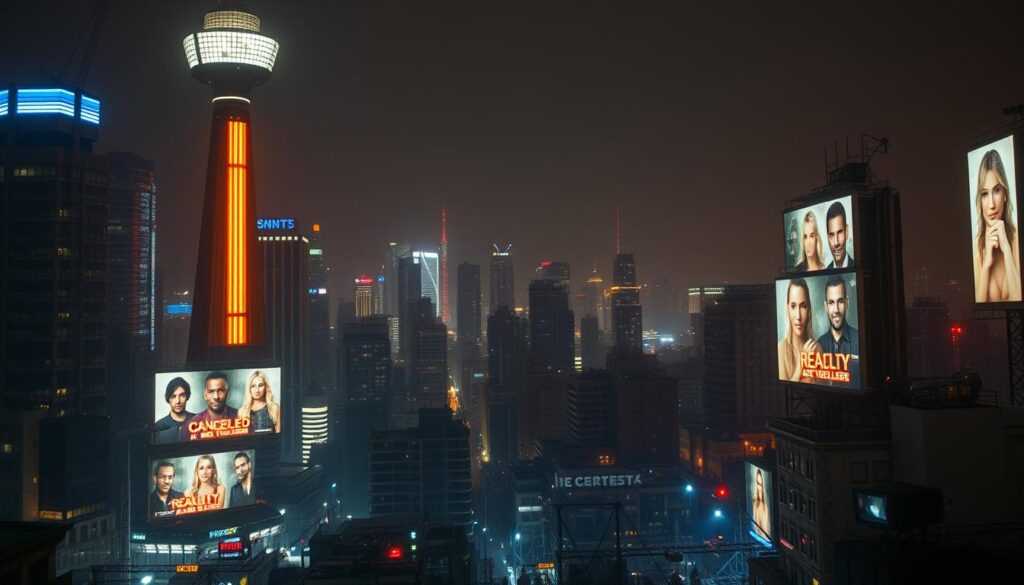
Casualties of the Streaming Wars
This year, we saw some big exits:
- Knight’s Farmhouse Savior (HGTV): Despite 1.8M weekly viewers, the show that turned old barns into homes was canceled.
- Sherrod’s Power Couple Magic (HGTV): This show combined relationship therapy with home renovation. It was canceled after 3 seasons, despite a 94% Rotten Tomatoes audience score.
- Dueling Designers: Miami (Bravo): The show’s $2M/episode budget couldn’t justify its 18% ratings drop.
| Cancelled Show | Seasons | Avg. Viewers | Replacement Project |
|---|---|---|---|
| Knight’s Farmhouse Savior | 5 | 1.8M | Barnyard Billionaires (working title) |
| Sherrod’s Power Couple Magic | 3 | 1.2M | Renovate or Divorce |
| Dueling Designers: Miami | 2 | 890K | Luxe Listings: Tampa |
Networks are hinting at upcoming reality tv shows 2025 with vague press releases. They talk about “groundbreaking formats” and “next-gen unscripted content.” But, let’s be real – shows like “Barnyard Billionaires” and “Renovate or Divorce” might not be innovative. They might show creative bankruptcy.
The real mystery is why networks cancel shows with solid numbers. They chase “the next big thing” that looks like last decade’s hits. A producer said anonymously: “We’re not building dream homes anymore – we’re constructing Frankensteins from spare parts.”
Behind the Numbers: Ratings, Budgets, and More
What happens when a $50,000 bathroom makeover turns into a financial burden for networks? Let’s look into HGTV’s financial plans. It’s not just about hammers and wood planks.
Bargain Block made $1 Detroit homes famous. But Sherrod’s fancy remodels cost as much as a small movie. The numbers are eye-opening:
| Show | Avg. Reno Cost | Ratings (Millions) | Profit Margin |
|---|---|---|---|
| Bargain Block | $15k | 1.8 | 42% |
| Luxe Living | $200k | 2.1 | 11% |
Now, HGTV’s show cancellations make more sense. It’s like financial Russian nesting dolls. Reddit fans are shocked by the costs: “They spent HOW MUCH on backsplash tiles?!”
Streaming services like Netflix are pushing the limits. Their Dream Home Makeover costs three times more than HGTV but has no ads. Discovery+ even reuses old shows for cheap. It’s all about saving money.
Is this about art or money? Networks choose shows based on money, not creativity. So, when your favorite show disappears, it’s often because of the budget.
The Fan Perspective: Outrage and Petitions
When networks cancel cancelled reality tv shows, fans get upset. They don’t just post sad emojis; they start petitions fast. Instagram turns into a battlefield, with fans begging Mark Wahlberg to bring back Wahlburgers.
Reddit becomes a place for deep analysis, like decoding secret messages. Fans dive into cancellation notices, trying to understand why.
But do these online campaigns really make a difference? Let’s look at three examples:
| Show | Petition Goal | Signatures | Outcome |
|---|---|---|---|
| Love Island USA | Renew canceled season | 89,200 | Picked up by Paramount+ |
| Wahlburgers | Reverse A&E cancellation | 34,500 | Remained canceled |
| Real Housewives of Dallas | Prevent reality tv cast changes | 12,300 | Rebooted with new cast |
Fans threaten to cancel their cable to save their favorite shows. It’s a strange move, like something from Westworld. But streaming services keep an eye on these trends. When Love Island fans reached 50k signatures, it caught the attention of Paramount+.
But, not all campaigns are successful. For every Love Island win, there’s a Wahlburgers loss. Networks look at numbers like ad revenue and licensing deals. They don’t always listen to fans.
Yet, the drama is too good to miss. Watching fans try to outdo the producers is always entertaining.
Exclusive: Producer & Insider Testimonials
Behind HGTV’s shows, a battle rages that would make Succession’s Roy family jealous. “You’re dealing with giant corporations with the worst people,” says former production head Marcus Bynum. His leaked rant is famous for its harsh words about executives.
Bynum calls out the executives for making decisions based on numbers, not people. He says they would cancel anything if it didn’t get good ratings. This includes even family events.

Insider Jenna Sherrod hints at more secrets with her mysterious posts. She mixes spiritual messages with budget spreadsheets. It’s unclear if she’s talking about divine intervention or network greed.
Our reality TV industry analysis suggests both. Sherrod’s posts might show how shows are chosen for tax benefits, not their quality.
The real drama happens in boardrooms, where people are treated like pawns. “Location scouts become pawns” (Bynum’s words). The focus is on making shows cheap, not good.
Who’s the Logan Roy of this world? Follow the money. 50% of 2025’s cancelled shows were made by the same people who made HGTV’s biggest hits. Is it a coincidence, or is it a fight for survival?
As Sherrod gets ready to share her story, one thing is clear. The Property Brothers might fake their renovations, but the real problem is deeper. When networks care more about going viral than making good shows, even the strongest ideas start to crumble.
Case Studies: Controversy, Declining Views, and Changing Tastes
Shows like scorpion dates and child anarchy have become examples of what not to do. They show us what can go wrong in reality TV. Now, we wonder if today’s cancellations are fixing old issues or creating new ones.
Outback Jack (2004): Imagine a dating app where people show off by eating venomous insects. This show forced city women to survive in the Australian outback. It was a disaster, and networks learned that romance should be safe, not deadly.
Eden (2017): This show was a social experiment that stranded 23 strangers for a year. It quickly fell apart, like a cheap sweater. The show was canceled mid-season, showing that some ideas just don’t work.
Kid Nation (2007): This show had kids building their own societies. But it turned into a mess when they started demanding better food. The show was a hit with only 43% of viewers, but it also faced lawsuits. It taught networks to be careful with kids in charge.
Looking at these examples, we see that today’s reality TV is different. Shows are canceled quickly if there’s any controversy. But this might lead to more problems. Are we avoiding big mistakes or just making content that’s too safe?
The Role of Streaming Platforms
Think of network TV as the old school cafeteria meatloaf. It’s reliable but a bit dull. Streaming platforms are like the trendy food truck outside, serving dragonfruit tacos and liquid nitrogen ice cream. Which one would you choose? The streaming vs network reality TV debate is more than just numbers. It’s about the shift from traditional TV to binge-watching.
HBO Max’s “Clash of the Culinary Wizards” (coming Q1 2025) shows streaming’s strategy. It has big budgets, interactive voting, and celebrity judges. HGTV, on the other hand, sticks to its old ways. But streaming is changing reality TV’s very essence.
| Streaming Reality | Network Reality | |
|---|---|---|
| Episode Releases | All-at-once binges | Weekly drip feed |
| Budget Per Episode | $1.2M – $3M | $400K – $800K |
| Audience Engagement | Twitter polls & TikTok challenges | Live voting via 1-800 numbers |
| Cancellation Speed | 48-hour algorithm verdicts | Season-long Nielsen tango |
Netflix’s secret is its smart algorithm. It matches your Love Is Blind binge with “The Great Canadian Pottery Throwdown”. This tech explains why 63% of 2025’s reality shows come from streamers. But, be careful, your favorite show might get canceled fast.
What’s coming in reality TV trends 2025? Expect new formats like Peacock’s “Survivor: Metaverse Edition” and ABC’s “Extreme Makeover: Dial-Up Edition”. Reality TV has become a battle arena, and we’re all just watching.
What Cancelled Shows Leave Behind: Cast and Crew Stories
When shows end, the real drama starts. Tunn, from Eden, got PTSD and antidepressants after a year alone on TV. Kid Nation left Sophia McGoff with a $15k bill for a burned cornea. Her family had to crowdfund for her treatment.
Then, look at HGTV stars on Instagram. Joanna Gaines from Fixer Upper talked about “cherished memories” after it ended. But what’s real and what’s scripted?
Cast members say it was like being on Survivor and The Office off-camera. Yet, they say it was the best experience. They talk about sleep deprivation and editing tricks, but PR teams focus on the good.
Reality TV gossip sites love these stories. We’re left wondering: Who wins when a show ends? Or are we just watching car crashes, waiting for the next big show?
What Can Fans Do?
When your favorite reality show gets canceled, it’s time to take action. Forget the tears and grab your spreadsheets. The truth is, TV execs don’t care about your feelings. They want numbers, lots of them.
- Twitter Tsunamis: Plan hashtag campaigns during network execs’ lunch. HGTV fans made #RenewBargainBlock trend for 72 hours. Guess what happened next?
- Ad Buys With Bite: Crowdfund ads on LinkedIn targeting NBCUniversal’s top programming VP. Use their own slogans against them for extra points.
- Petition 2.0: Go beyond Change.org. Send physical petitions wrapped in show merchandise. ABC got 10,000 Bachelor roses on postcards once.
Here’s the catch: supporting canceled hosts’ new projects can sway networks. Wahlburger fans boycotted A&E but boosted Mark’s YouTube. This led to Family Food Fight getting greenlit. Your online actions have real power.
2025’s Hidden Battleground
Every time you watch a canceled show on streaming, it’s recorded. Every purchase of merchandise sends a message to TV execs. And those upcoming reality tv shows 2025 pitches? They’re influenced by your online activity.
Forget Nielsen boxes from the past. In today’s world, you’re not just watching TV. You’re investing in it. Act like it.
Conclusion: The Changing Reality TV Landscape
Reality TV is in a crisis, like a demolition crew unsure if to tear down or fix up. The mix of Kardashian drama on HGTV and streaming’s quest for realness is confusing. Next month, Urban Oasis will have “no drama, just drywall,” while Netflix’s Survival of the Fittest: Couples Edition will focus on awkward moments. These shows highlight the current reality TV trends: a mix of comfort and authenticity.
The battle between streaming and network TV is intense. Cable sticks to what it knows, like Bravo’s Real Housewives Ultimate Getaway on August 15. But Hulu and Peacock are trying new things. Peacock’s Renovation Nation brings together TikTok creators and seasoned contractors. It shows people want both excitement and real content, but not always together.
The cancellation of Farmhouse Fixer is like a house flipped and left behind. But 2025’s shows show viewers want more than just glamour. Streaming services are reaching out to specific groups, while cable sticks to what works. The key is to adapt and keep the audience interested. Will the next big hit tear down the old or restore the genre?