Imagine Shakespeare drinking Red Bull and watching TikTok nonstop for a week. That’s what reality TV in 2025 is like – a mix of drama, strategy, and why-is-this-so-addictive chaos. Streaming services are changing the game, introducing new twists like Hulu’s momfluencer scandals and Peacock’s betrayal shows.
This isn’t your grandma’s Real Housewives marathon. Today, 63% of streaming shows mix interactive elements with social media. Think dating show contestants livestreaming their eliminations while fans vote on Instagram. Even Survivor now has contestants doing trust falls over fake minefields.
So, why does this matter? The reality tv industry analysis shows streaming wars are creating new formats. NBCUniversal is introducing workplace competitions judged by AI, while Netflix is testing “algorithmic casting” to pair personalities like volatile chemicals. It’s both fascinating and a bit scary, like watching a lab experiment get out of control.
Forget about watercooler moments. Today’s reality show format innovations need your full attention and are ready for memes. As platforms fight for viewers, the line between entertainment and social experiment gets blurred. Welcome to TV’s unscripted revolution – no need for rose ceremonies.
Introduction: Change Is the Only Constant
If The Bachelor’s roses wilted years ago, what’s blooming in 2025’s reality TV garden? Spoiler: It’s genetically modified drama. The unscripted trends dominating today’s screens would make early-2000s producers clutch their “reunion special” contracts like life rafts. From Joe Millionaire’s scripted lies to Netflix’s algorithmically optimized meltdowns, the reality TV industry analysis reveals one truth: audiences now crave chaos with a side of self-awareness.
Deadline’s latest producer surveys highlight three seismic shifts redefining audience preferences:
- Cast-to-Algorithm Ratios: Netflix’s casting directors now compete with data scientists for creative control
- Authenticity Inflation: What passed as “real” in 2010 (looking at you, Jersey Shore) now reads like community theater
- Corporate Synergy: The real villain behind reboot fatigue? Marvel-style universe-building for unscripted franchises
Remember when dating shows involved awkward dinners instead of AI-compatibility scores? Today’s viewers want their emotional manipulation meta, their conflicts algorithmically heightened, and their product placements seamlessly dystopian. The genre hasn’t just broadened—it’s mutated into something Darwin couldn’t predict.
Yet here’s the twist: while streaming platforms chase viral moments like raccoons after shiny objects, traditional networks are doubling down on “comfort chaos”—think Survivor meets ASMR. It’s a mad scramble to satisfy audiences who’ve binge-watched every format from Naked and Afraid to Love Is Blind… twice.
The Return of Competition Formats
Reality TV producers have found a secret: people love watching others fail. The genre is back, with a focus on competition. This time, it’s less about dystopia and more about GoPros.
In 2025, our media world is broken. But we all want to see millionaires face weird challenges. It’s a way to enjoy someone else’s misery.
Peacock’s The Traitors Season 3 shows the formula works. It has Scottish castles and Alan Cumming’s famous eyebrows. The show is like Survivor meets Succession, but with a velvet cape.
Speaking of Survivor, CBS’s 48th season is all about bugs and crow. Here’s what we know:
- A new twist involves hurricane simulators
- Players from seasons 15-25 are back
- Jeff Probst’s biceps are now contestants
The biggest reality tv cast changes news? Bravo is making a Real Housewives: All-Stars Arena spinoff. Imagine Lisa Rinna and Nene Leakes facing puzzles and flaming arrows. It’s not confirmed, but it’s coming.
So, why do these shows work in 2025? They’re like a dopamine machine. They give us the thrill of watching others struggle. Producers know we want more, not less. It’s all about bigger challenges and crazier stunts.
Docu-Style vs. Pure Entertainment
Reality TV has a new trick. It makes people think confessionals are real. Networks are dropping scripted shows for unscripted ones. Hulu’s Secret Lives of Mormon Wives is a mix of faith and beauty products, showing how faith and products can go together.
But what’s real in “real” TV? Every tear is lit up for drama. Meltdowns are planned for the best light, making TV more like a show than real life.
Let’s look at the difference between docu-style and pure entertainment:
| Docu-Style | Pure Entertainment | |
|---|---|---|
| Focus | “Authentic” personal journeys | Over-the-top challenges |
| Production Level | Cinematic lighting, scripted arcs | Glitter cannons on standby |
| Audience Appeal | Millennial guilt-watching | Gen Z chaos cravings |
| Network Strategy | Replacing scripted dramas | 24/7 meme material |
The unscripted trends are clear. Networks want shows that trend on Twitter and spark debates. But as costs rise, we wonder: Are we watching real people or characters?
The reality tv gossip you won’t hear in press releases is this: those kitchen fights? Staged. Wardrobe malfunctions? Planned for social media. It’s not real TV – it’s something close, and we can’t look away.
Rise of Social Media-Driven Shows
TikTok auditions are now the key to fame on TV. Platforms are turning 15-second clips into 45-minute shows. Netflix’s new dating show is full of swipe animations, like a Tinder user’s thumb.
ABC’s Shark Tank used to ask for business plans. Now, contestants pitch through Instagram Stories filters. Investors respond with TikTok duets.
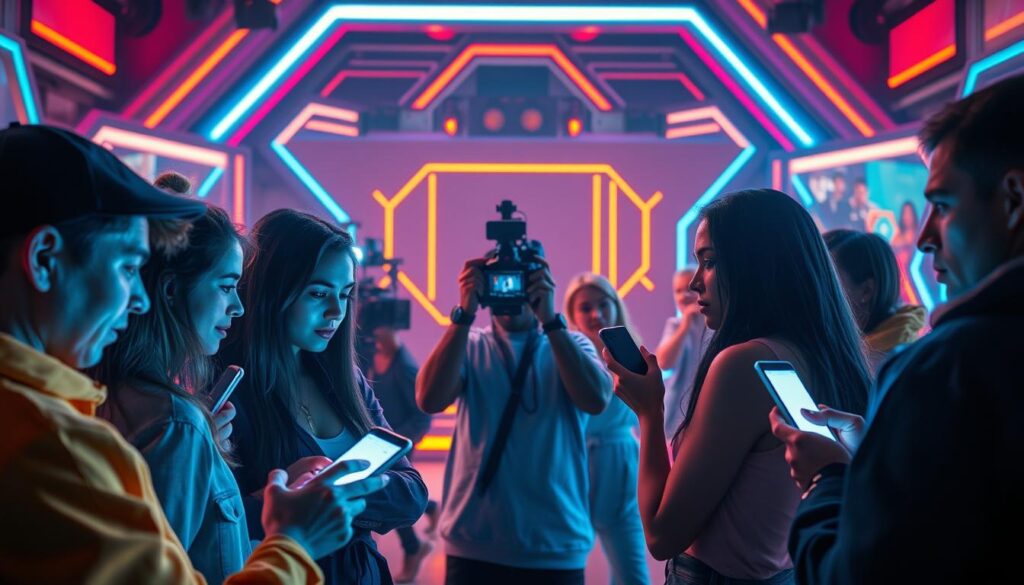
TikTok’s 150 million U.S. users are changing reality TV fast. Here are some big changes:
- Episodes feel like endless scrolls, with accidental double-taps causing heartbreaks.
- Judges now critique dance challenges, not business plans.
- Season finales are decided by live polls on TikTok.
The gap between streaming and network TV reality shows is growing. Netflix’s shows now match TikTok trends, while ABC’s Family Feud reboot uses DM slideshows. Here are some numbers to show the difference:
| Platform | Social Integration | Audience Reach | Episode Format |
|---|---|---|---|
| Streaming | AI-generated content from viral clips | Global, under-35 | Bingeable vertical videos |
| Network TV | Hashtag voting during broadcasts | National, multi-gen | Hybrid live/edited segments |
This isn’t just about making more content. It’s about making it fast. A TikTok chef’s pancake video becomes Food Network’s Breakfast Scroll before it’s even cool. The real challenge is keeping up with Gen Z’s next big thing.
Niche Audiences: Dating, Food, Family, and More
Reality TV has changed. Now, it’s all about niche audiences. Shows are tailored to specific tastes, like a TikTok feed. For example, Real Housewives of London became a hit by focusing on aristocratic drama.
Food Network’s Competitive Air-Frying shows that adding “championship” to a title can make anything popular.
Why this shift? It’s all about audience preferences. Streaming services now focus on what viewers really want to see:
- Dating shows with micro-influencers
- Culinary competitions that judge “crunch aesthetics”
- Family dramas with child prodigies
The Love Is Blind Season 8 casting shows this trend. This year, contestants include a TikTok mentalist and a relationship coach on OnlyFans. Casting directors now look for unique qualities, like a yoga instructor or a teacher.
This reality tv cast change has brought new metrics. Networks now focus on:
| Old Metric | New Obsession |
|---|---|
| Nielsen ratings | Instagram Story completion rates |
| Demographic reach | Hashtag hijacking |
| Episode runtime | TikTok clipability score |
The old days of “real people” are gone. Now, shows feature people who are popular on social media. Even reality tv gossip has changed, with fans discussing contestants’ Cameo prices online.
Niche content is thriving. Shows that focus on specific interests are more popular than ever. Why watch regular people argue when you can see royalty fight over money?
Interactive & Immersive Reality TV
Reality TV has moved from “vote by text” to “control-alt-delete your least favorite influencer”. Now, producers let viewers decide what happens next. Shows like Peacock’s Hinge of Fate let TikTok users vote out contestants live. This shows how democracy can be fun with quick comments and short videos.
This reality show format innovation makes viewers part of the show. Imagine Survivor meets Twitch, where everyone decides what happens next. But, can streaming handle the tech? When lots of people vote at once, it can get slow.
The streaming vs network reality TV debate is clear:
- Streaming uses cloud gaming for complex shows
- Traditional networks stick to SMS voting
- Hybrid shows mix TV with app-based choices
These shows use FOMO to get us to vote fast (“You have 22 minutes to choose Karen’s plastic surgery!”). It’s a mix of fun and a little scary. The real win is making money from our quick decisions.
Black Mirror’s Bandersnatch now seems like a future TV show. Viewers want more control, making the creator-consumer line blur fast. Who needs writers when fans can make the show?
Short-Form, Viral, and Snackable Content
In 2025, reality TV is turning into TikTok. Networks are making shows in 60-second clips. They focus on quick drama, like betrayal and a memorable exit line.
Bravo’s 11-minute episodes are a hit. They’re called “subway reality” because they’re short. Instagram Reels from shows also get a lot of attention.
This change is important:
- Viral moments start on social media 48 hours early
- 70% of Gen Z finds shows through clips on social media
- Networks check how likely a show is to go viral
| Platform | Avg. Episode Length | Producer Credits per Minute |
|---|---|---|
| TikTok | 60 seconds | 1.2 |
| Instagram Reels | 90 seconds | 2.4 |
| Bravo (Linear TV) | 11 minutes | 0.8 |
This isn’t about people having short attention spans. It’s about making content that grabs attention fast. People want shows that are tasty, easy to share, and full of drama.
The Growing Influence of Streaming
Streaming platforms are like the Michael Corleones of reality TV. They make offers that networks can’t understand or refuse. While cable execs try to keep up, Netflix and others are changing the game with huge budgets. This isn’t just evolution – it’s a hostile takeover wearing velvet gloves.
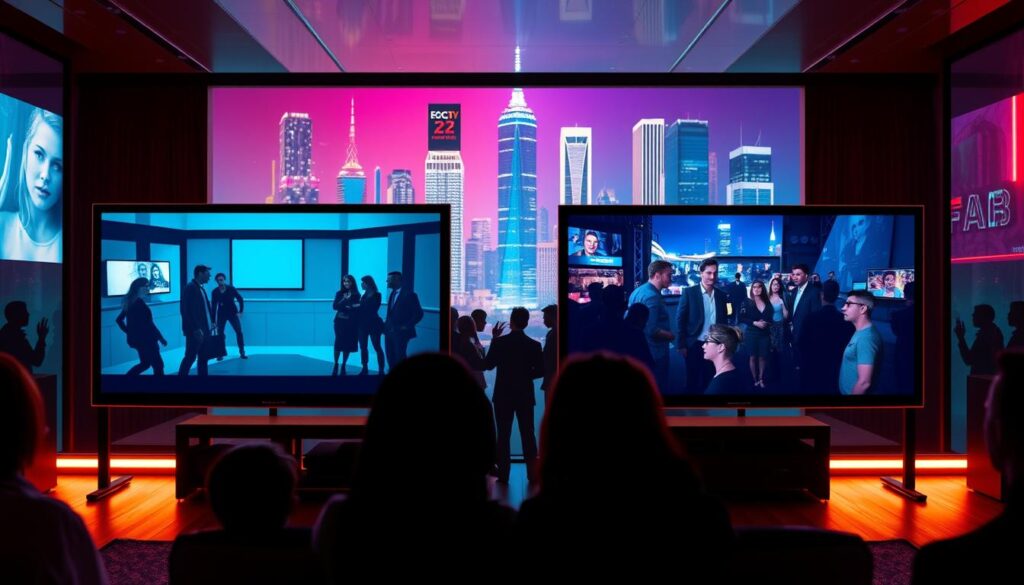
| Platform | Reality Shows Produced (2024) | Avg. Budget Per Episode | Emmy Nominations |
|---|---|---|---|
| Netflix | 47 | $2.1M | 19 |
| Paramount+ | 32 | $1.8M | 11 |
| Major Cable Network Avg. | 15 | $850K | 3 |
Notice how much money went into The Traitors’ Scottish castle? It’s more than Scotland’s tourism budget. Or how Meghan Markle’s Netflix cooking show has better craft services than The Crown? Streaming is not playing by the rules – they’re rewriting them.
Three big changes explain why streaming is winning against network reality TV. It’s like David vs Goliath, but David has a rocket launcher:
- Global audiences want binge-ready content (no more waiting for weekly episodes)
- Algorithm-driven development creates hits we can’t look away from
- Celebrity partnerships help grow subscribers
Cable’s trying to fight back with reruns of Storage Wars and hoping Gen Z likes 2005 again. The reality TV industry analysis is harsh: streaming controls 68% of unscripted greenlights. Peacock just ordered a dating show where contestants literally marry AI avatars. We’ve entered Black Mirror territory, and we’re loving it.
Sustainability and Social Impact in Storytelling
Reality TV is getting a new twist: saving the planet. Networks are turning shows into eco-friendly training camps. Think Naked and Afraid meets a UN climate summit. But, are these unscripted trends really making a difference, or just greenwashing?
Survivor now has challenges to protect coral reefs. Top Chef turns expired food into gourmet dishes. A producer shared: “We’re moving beyond simple recycling. Audiences want reality TV trends 2025 that tackle big issues, like debating carbon offsets.”
The numbers show:
- 63% of Gen Z viewers want climate-focused shows (Variety, 2024)
- Reality TV using solar power increased by 212% last year
- 7/10 new shows now judge contestants on social impact
But, let’s not confuse good with bad. When strong brand storytelling meets reality TV, we see both brilliance and cringe. Shows like The Great British Sewing Bee expose fast fashion, while others fall flat.
The real test is if these shows can live up to their eco-claims. For every Shark Tank episode supporting eco-friendly products, there’s a Real Housewives episode with a huge carbon footprint. A showrunner joked: “Our eco-certification doesn’t cover the 47 SUVs outside.”
So, what’s next? Expect survival shows focused on environmental issues and cooking competitions that value food miles. The real question is, will we keep watching as the planet changes?
What Networks Are Betting on Next
Networks are making big bets, like in high-stakes poker. The 2025 reality TV lineup is their big moment. NBC is working on a “digital detox” survival show where influencers go without WiFi for 21 days. This idea is so scary to Gen Z, it’s like horror.
HBO Max is trying AI to match people for love. They say it’s “scientifically optimized romance.” But, is true love really found through algorithms?
Let’s look at the crazy plans:
- American Idol is coming back with a Carrie Underwood theme. It’s hoping to win over millennials with old-school karaoke.
- Bravo is thinking about Real Husbands of Milwaukee. They want to make it big like Southern Charm, with drama over cheese curds.
- Discovery+ is making “Extreme Couponing: Apocalypse Edition”. It’s all about saving money in tough times.
The big question is, which upcoming reality tv shows 2025 will be hits and which will fail? TLC is known for making lots of marriage shows. They might make a few more before giving up.
| Network | Bet | Odds of Success |
|---|---|---|
| NBC | Influencer WiFi Survival | 50/50 (Depends on TikTok outrage) |
| HBO Max | AI Dating Experiment | 20% (Love > Math) |
| Bravo | Midwest Husband Drama | 75% (Cheese sells) |
The reality tv premiere dates are secret, but one thing is sure. Networks are either geniuses or about to learn a big lesson. Maybe they should avoid watching Black Mirror before meetings.
Expert Predictions for 2025
If reality TV were a stock market, 2025 would be full of ups and downs. Big hits might falter, new ideas might fail, and NFT shows could crash hard. After checking showrunner Twitter, here’s what the reality tv industry analysis says about next year’s winners and losers.
The change in hosts on American Idol is big. It shows networks trying to keep old fans and attract new ones. Expect to see old judges leave as streaming sites look for fresh faces.
Food shows are moving from fancy dishes to 3D-printed meals. This is because “culinary innovation” now means making food that looks like your ex’s Spotify playlist. Also, workplace shows are dying out because TikTok’s made real employee stories seem fake.
Now, let’s talk about reality show cancellations. Our crystal ball says:
- NFT-themed dating shows (RIP Blockchain of Love)
- Any series using “metaverse integration” unironically
- That Taco Bell/Kardashian collab everyone pretended to like
But some shows might make it. These include unique formats like ASMR sports shows and old hits from the early 2000s. Because nothing says “2025 innovation” like Paris Hilton asking “What’s your dealbreaker?” in 4K.
Conclusion: The Future Is Now
Reality TV has changed a lot, like Elon Musk’s Twitter feed. It’s chaotic and unpredictable but also very interesting. The trends for 2025 show reality TV is changing to meet what people want.
Shows like Netflix’s interactive dating and Bravo’s family dramas are big hits. They mix drama with something new and exciting. This makes them very popular.
The battle for viewers has made reality TV even more exciting. Amazon is focusing on food shows, while TikTok is blending live challenges with TV. It’s a big change from when Survivor contestants just ate bugs.
Now, contestants might be making viral dances and voting on alliances through Instagram. It’s a whole new level of interaction.
Reality TV is now all about specific stories. Shows like HGTV’s tiny homes and Peacock’s competitions are hits. Even your yoga instructor could become famous if they have enough drama.
Platforms are trying to create the next big hit, like Squid Game meets Love Island. Reality TV is not dying; it’s just getting more interesting. The question is, will you be watching or trying to be on TV?