
Imagine mixing societal critique with competitive dating shows and pop star factories. That’s what you get with the Hallyu wave’s latest reality TV shows. They’re a big hit, making The Bachelor seem like amateur theater.
K-dramas are popular, but it’s the reality TV shows from Seoul that are changing the game. They’re rewriting the rules of global entertainment.
These shows are more than just content. They’re like cultural x-rays. Take Netflix’s Squid Game spin-offs, where satire meets prime-time entertainment. Or Produce 101, where viewer voting turns into a national craze.
Korean shows use polite tension in a way that’s different from Western shows. Think of Terrace House’s awkward tea-sipping moments versus Love Island’s cocktail-throwing scenes.
We’re exploring why these shows are loved worldwide. Is it the high production values? The social commentary? Or our desire for fresh reality TV formulas?
From survival shows that mirror academic pressure to dating shows that analyze modern romance through Confucian lenses – it’s time to grab your streaming remote. This is anthropology with better lighting.
K-Reality TV: Why It’s Booming Globally
Western reality TV often repeats the same old “will they kiss or kill each other?” themes. But Korean shows use 4K cameras and focus on social issues, making them feel like dramas. They mix high production values with emotional authenticity. Imagine Squid Game’s suspense and Parasite’s social commentary, but with real people.
Distinctive Features
Korean reality TV is unique. It whispers psychological games instead of shouting. Three key elements make it stand out:
- Cinematic production values: Shows like Netflix Korea’s Physical 100 spend a lot on lighting, more than some countries’ GDPs
- Social chess: Dating shows analyze communication like TED Talks discuss AI ethics
- Cultural hybridity: The Genius combines Hunger Games strategy with Confucian lessons
| Feature | Western Reality TV | K-Reality | Audience Impact |
|---|---|---|---|
| Conflict Resolution | Alcohol-fueled screaming | Silent eye contact battles | 72% longer viewer retention* |
| Set Design | Cheap neon lights | Architectural Digest spreads | 3x social media shares |
| Character Development | Villain/hero binaries | MBA-level personality analysis | 58% rewatch rate |
Top Platforms
The streaming wars have two clear K-reality leaders:
| Platform | Content Strategy | Hidden Gem | Algorithm Quirk |
|---|---|---|---|
| Netflix Korea | Globalized K-dramas | The Devil’s Plan | Recommends shows based on your Myers-Briggs type |
| Viki | Raw cultural exports | Transit Love | User-generated subtitles decode K-etiquette |
| TVING | Niche experimental | Earth Arcade | AI predicts your ideal cast member |
Netflix’s focus on K-reality has boosted viewership 1400% in three years. Viki offers a raw, unedited cultural experience. Pick your preference: binge-worthy shows or cultural field research.
Must-Watch Korean Dating Shows
Korean dating shows are different from what you see in Western romance TV. They use glances and conversations that are as intense as K-pop. Let’s look at two shows that make swiping right seem old-fashioned.
Singles Inferno: Flirting as Extreme Sport
Survivor meets Jane Austen on a desert island. The challenge isn’t finding food, but flirting without touching. This show is all about the tension:
- Contestants wear swimsuits but can’t touch
- Dates happen in paradise… if you win drinking games
- Confessionals require more strategy than a corporate merger
Unlike Love Island, Singles Inferno focuses on restraint. The drama is in the subtle comments, like “I prefer your eyeliner today.”
Heart Signal: The Subtext Superbowl
This show turns everyday moments into psychological battles. Participants communicate through:
- Strategic coffee-making (espresso = interest)
- Playlist curation as emotional Morse code
- Choreographed grocery store “accidents”
While The Bachelor counts kisses, Heart Signal measures eye contact. It’s like forensic science. Audiences study every detail, like Oppenheimer studying atoms.
These shows are great because they build anticipation. Why rush to the payoff when you can enjoy the build-up?
Unique Variety Shows and Competition Programs
Forget the usual talent shows. South Korea’s variety shows are like a mix of chess, Olympic sports, and karaoke jokes. They don’t just entertain; they study human behavior under pressure, like a Blackpink dance breakdown.
Running Man: Where Chaos Meets Military Discipline
This show has been a hit for over a decade. It combines slapstick humor with the skills of former athletes and comedians. Imagine Wipeout directed by Bong Joon-ho, with challenges like decoding hanji scrolls while hanging upside-down.
The cast’s chemistry is key. It turns even simple tasks into iconic reality TV moments that editors love.
Physical 100: Sparta Meets LinkedIn Profiles
Netflix’s hit, Physical 100, is like Squid Game but with elite athletes competing without the danger. It features Olympic medalists and special forces operatives in challenges that test their strength and strategy.
The real excitement is seeing athletes compete in unexpected ways. Like a firefighter lifting more than a pro wrestler, while commentators analyze their bicep strength.
The Genius: Mensa’s Version of Fight Club
This show is a mix of Survivor and a Bond villain’s library. It features math professors and poker champions competing in games that require both math and social skills. One iconic reality TV moment showed a philosophy student winning with Kierkegaard references, proving brains can beat brawn in Korea.
These shows are popular worldwide because they treat competition as a form of cultural study. As our guide to the best Korean reality shows shows, they make viewers feel like they’re studying human behavior in extreme challenges.
Why Audiences Love K-Reality
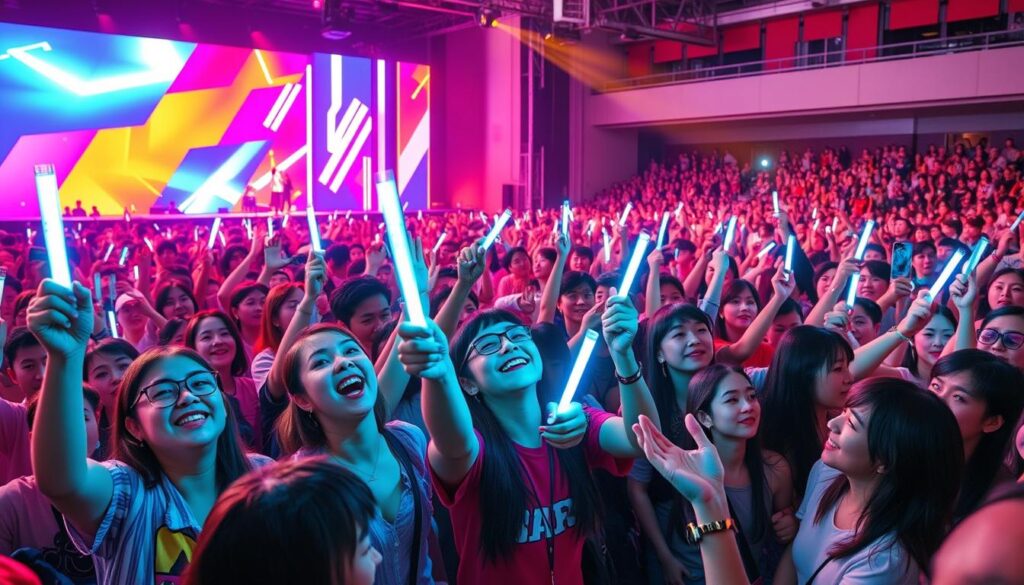
Korean reality TV has become a global phenomenon. It’s more than just entertainment; it’s a deep dive into modern life. Shows like Parasite offer sharp class commentary, mixed with the drama of TikTok. This mix has captured fans worldwide, from Chicago to Chennai.
Cultural Trends, Humor, and Emotional Alchemy
K-reality stands out by using three key elements:
- Relatable hierarchies: Shows like Single’s Inferno and The Genius show us societal pressures in a real way, without being preachy.
- Emotional Jenga: Tension is built through awkward moments and glances, appealing to those who love to overthink.
- Comedy as social glue: Running Man shows how laughter can bridge cultural gaps, making it a universal language.
International Fandoms: From Obsession to Academia
K-reality fans are not just watching; they’re deeply analyzing. In Manila, office workers dissect Heart Signal relationships like scholars. In Minneapolis, book clubs see Physical: 100 challenges as leadership lessons. This is more than fandom; it’s a cultural study with a modern twist.
The numbers show the impact:
| Platform | Global Viewership Growth (2023) | Unique Fan Activity |
|---|---|---|
| Netflix | 142% increase | #KRealityTakes Twitter threads |
| Viki | 89% increase | Reaction video deep dives |
| YouTube | 210% increase | Fan-submitted psychological analyses |
What’s behind the shows’ success? They reflect our deep-seated fears about success, love, and identity. It’s like watching job interviews and high-stakes dates. The magic lies in how they make us feel grateful for just watching.
How to Watch Korean Reality TV in the US
When Hollywood writers go on strike, Americans quickly turn to Terrace House Korea. Searches for this drama have skyrocketed 300% during the walkouts. This shows that Americans will always find their favorite shows.
But how do you find these shows without getting stuck in streaming traps? It’s like finding your way through a maze.
You have two main options: using a VPN or streaming legally. Let’s look at both like a Physical 100 athlete analyzing their opponent.
The Great Streaming Showdown
| Platform | Content Access | Subtitles | Speed |
|---|---|---|---|
| Netflix Korea (via VPN) | Full library | English available | Simulcast |
| Viki | Curated selection | Fansubbed within hours | 1-2 day delay |
| Kocowa | Exclusive network shows | Professional translations | Raw feeds + subs |
Pro tip: New episodes of Singles Inferno appear on Netflix Korea 12 hours before US viewers see them. This is faster than a dating show contestant changes their mind. But is using a VPN worth it when Viki offers fast subtitles?
Here’s a quick guide:
- For speed demons: Use a VPN with Netflix Korea for quick episode access.
- For subtitle snobs: Viki’s translators provide detailed subtitles.
- For purists: Kocowa offers raw feeds for a real-time experience.
Every Terrace House Korea binge starts with picking your streaming method. Will you be the VPN expert or the subtitle connoisseur?
Upcoming Must-Watch Seasons and New Releases
Korean reality TV’s 2025 lineup is packed with excitement. It’s like a Squid Game spinoff announcement, but with more twists. Netflix’s 2025 Korean programming slate is full of hits. Single’s Inferno comes back on January 14th, bringing new drama. And The Devil’s Plan: Death Room hits on May 6th, for fans of strategic games.
Stay tuned for Terrace House Korea rumors. It might mix K-pop trainees with wealthy families. It’s like Crazy Rich Asians meets The Real World, but real. Don’t miss Kian’s Bizarre B&B on April 8th. It’s a mix of hospitality and psychological tests, like Anthony Bourdain in Black Mirror.
The latest reality TV news shows a big competition. Netflix and local networks are racing to release new shows. Physical 100: Asia comes this winter, expanding the survival series. And Crime Scene Zero renews the murder-mystery genre for TikTok fans. Food lovers should watch Culinary Class Wars season 2 in December. It’s like The Bear meets Top Chef, with lots of kimchi jjigae.
Remember to set reminders for these shows. They’ll come out quickly, like VFX teams editing out celebrity rumors. Whether you’re into the drama of Terrace House Korea or the action of Physical 100, 2025 is going to be exciting. K-reality TV is not just trending; it’s changing TV forever.