Let’s be honest – when was the last time you watched TV without checking your phone? I’m guilty too. We now watch TV with our phones, making digital platforms our new living room.
Remember when we talked about TV shows the next day at work? Now, we chat about them live on Twitter, TikTok, and Instagram. With over 5 billion users worldwide, these platforms amplify TV content like never before.
It’s like a huge viewing party where everyone can speak up. This change from just watching to actively participating is huge. Unscripted shows are now made for our quick attention spans, perfect for sharing online.
This shift matches what we see in companion app strategies. Here, viewers become active participants through second-screen experiences.
Trending Hashtags and Viral Clips
Remember when we talked about water coolers? Those days are over. Now, our conversations happen online, thanks to trending hashtags.
Take #Baddies for example. It started as a show label but became a big deal. Fans post thousands of times a week, creating a community. Networks use these tags, but it’s the fans who really make them popular.
Viral clips are like today’s sports highlights. They’re short but pack a big punch. Producers work hard to make these moments happen.
It’s a battle for attention in the social media world. Only the most exciting or funny clips make it. They spread fast, reaching more people than the show itself.
The power of trending hashtags is huge. They help people connect and engage. Viewers don’t just watch; they join in, sharing and tagging content.
TikTok challenges and Twitter reactions are like digital watercooler moments. They bring fans together and start conversations. Watching TV has become a two-screen experience, changing how we talk about shows.
How Platforms Fuel Theories
Social media platforms have become places where theories grow. They turn viewers into detectives of stories. Remember when fans of reality shows became like digital detectives?
Features on these platforms are made for deep analysis. TikTok’s duet feature lets us examine TV clips like the Zapruder film. Twitter threads become detective boards, where small details turn into big theories.
This isn’t a mistake – it’s smart design. Short videos grab our attention quickly. These 15-second TV clips start big stories in our minds.
Storytelling is key to getting people excited. It makes us focus on certain parts of a story. We share our detective work, making it like writing fan fiction.
The real magic is in making us active, not just passive viewers. We’re now co-creators of stories. This turns watching into a shared experience, building communities of story analysts.
Cast Members’ Social Engagement
Reality TV has changed with social media. Cast members now share their real lives online. This makes them critics, defenders, and directors of their own stories.
Diamond from Baddies East shows her true self on Instagram. She fights against her TV drama with her own posts. She says, “I absolutely love Diamond the Body. She’s definitely there to have a good time.” It’s her way of taking control of her story.
Smart cast members see themselves as brand managers. They use social media to:
- Address criticism in real-time
- Clarify edited moments
- Continue storylines that didn’t make the final cut
- Build sustainable careers beyond fifteen minutes of fame
This direct access changes how fans interact with reality TV. They’re not just watching; they’re part of the conversation. When cast members reply to fans or share behind-the-scenes, they’re crowd-sourcing their character development.
The best reality stars use social media as focus groups. They test reactions and adjust their branding. It’s like getting director’s commentary from the actors themselves, with the audience as co-producers.
This shift in reality TV on social media has created a new kind of celebrity. They know their worth isn’t just in their TV show. It’s in keeping fans engaged between episodes. The most successful ones empower their followers to share their experiences and interpretations.
We’re seeing reality storytelling become more democratic. The audience is now part of creating content. The line between performer and viewer has never been thinner. Cast members who balance this are changing the game of celebrity engagement.
Differences by Platform (TikTok, Twitter, Insta)
Have you ever noticed how reality TV changes on different social platforms? It’s like seeing the same person in three different outfits at one party. Each platform has its own special way of showing reality TV, with its own rules and styles.
Twitter is like the digital watercooler for quick reactions. It’s where opinions are made and changed fast. The way it shows posts in order makes it great for talking about episodes.
Instagram is like a beautifully put together photo album. It shows the best parts of reality TV through special behind-the-scenes shots. To promote reality TV social shows, many use Instagram to share high-quality photos that stand out.
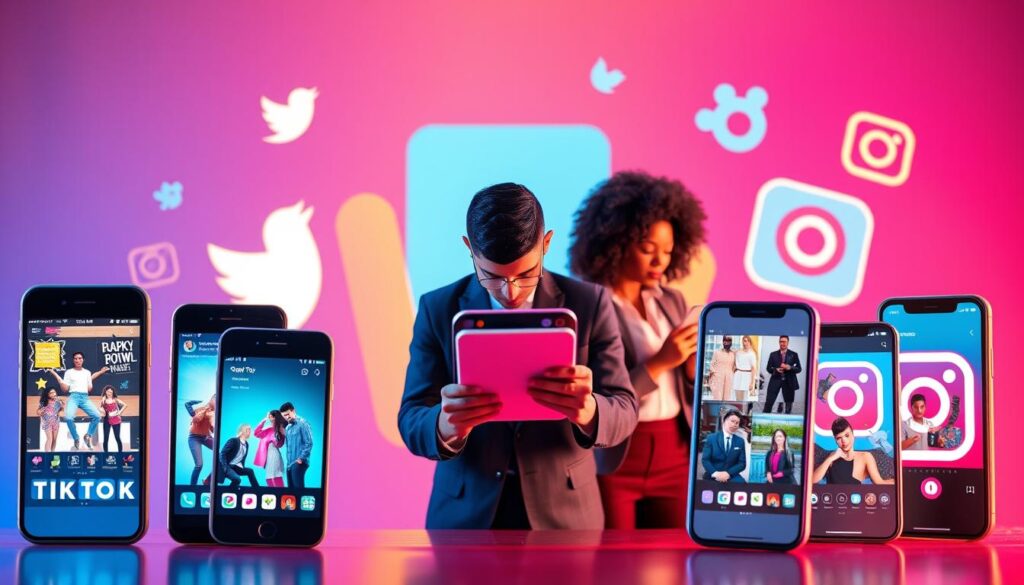
TikTok is like the wild, creative cousin. It takes short clips and turns them into big trends. Remember the ‘Bold Glamour’ filter? It became a hit by inspiring lots of creative videos.
It’s interesting to see how reality TV changes on these platforms. Twitter talks, Instagram looks, and TikTok makes memes. Each one has its own role in the reality TV social world.
| Platform | Content Style | Engagement Pattern | Unique Feature |
|---|---|---|---|
| Real-time reactions | Episode-length discussions | Chronological feed | |
| Curated highlights | Aesthetic engagement | Visual storytelling | |
| TikTok | Creative remixes | Viral challenges | Algorithm-driven trends |
How creators use these platforms is also different. Facebook is good at marketing events, Instagram is all about pictures, and TikTok is great for making trends.
This variety makes the reality TV social world rich and interesting. Knowing how each platform works is key for both creators and fans to enjoy the digital world.
Notorious Social Media Feuds
Reality TV’s biggest moments now happen online, not just on TV. Social media feuds are like the bonus scenes of every season. They often give more drama than the actual shows.
These online fights start with a small issue and quickly get out of hand. Fans pick sides by liking, sharing, and commenting. It’s like they’re the judges and executioners all at once.
Hashtags become the flags of war (#TeamSomeone vs #TeamSomeoneElse). Quote tweets are like throwing digital chairs. What makes these fights so good? They’re real and raw, unlike scripted TV.
The “Baddies” phenomenon is a great example. Fans started a digital war by asking about their favorite cast members. It was more than just a question; it was a call to arms.
Cast members know what fans want and use that to make content go viral. A well-timed tweet can get more attention than an entire episode. It’s all about emotional connection.
These feuds show how reality TV has changed. It’s now a show where everyone can participate. It’s messy, but it’s also incredibly engaging. It’s the perfect mix of our love for reality and drama.
Industry Perspective
Welcome to the control room, where social media metrics are the new Nielsen ratings. Networks don’t just broadcast shows anymore. They run digital operations that rival political campaigns.
Real-time analytics have changed how producers measure success. During live broadcasts, social media managers track engagement like air traffic controllers. Every tweet, comment, and share is turned into data that guides everything from episode edits to series renewals.
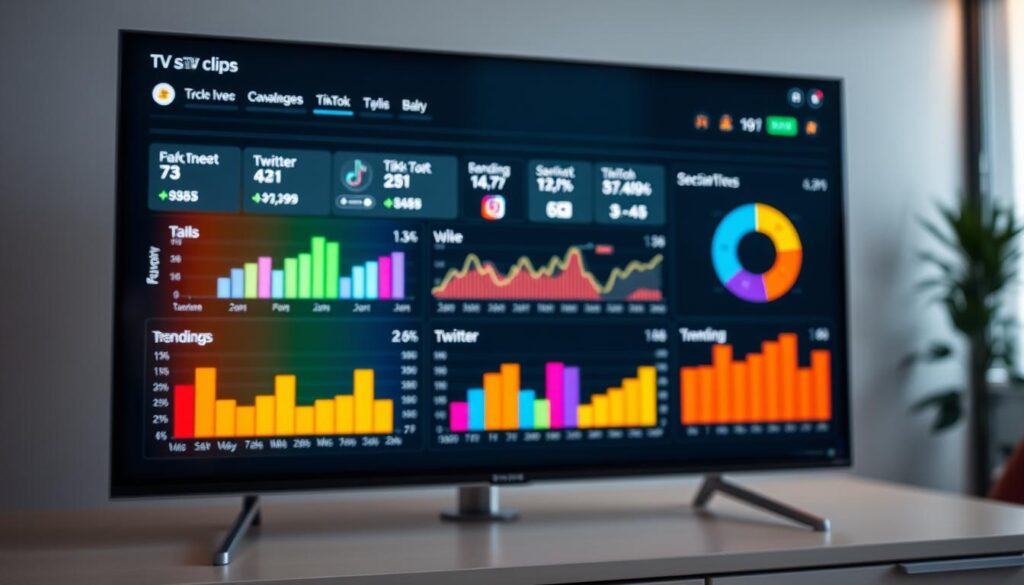
The business model has shifted. A viral moment can be more valuable than traditional advertising. Networks now create content for social sharing – those perfectly packaged TV clips that spread like digital currency.
Production companies have become social media powerhouses. They have three main roles:
- Seeding content across platforms before episodes air
- Managing cast social strategies to maximize engagement
- Measuring impact with the precision of scientific experiments
This change mirrors how event marketing has evolved from traditional offline efforts to solid online presence. The industry now connects with audiences through digital channels, not just waiting for them to tune in.
Shows are designed with social media in mind. Producers ask: “What moments will people screenshot? Which confessionals will become memes? Which fights will generate the most discussion?” It’s all about creating content that’s shareable.
The most successful TV clips often get more views than the original episodes. This has created a new economy where social engagement equals advertising revenue and brand partnerships.
Networks now operate like digital-first companies. They use real-time data analytics, similar to how Nike monitors marketing campaigns. They adjust strategies based on engagement metrics and audience feedback, aiming for maximum impact.
Social media has changed how we watch TV – and how TV gets made. The second screen is now the top priority.
Conclusion
Reality TV on social media has changed a lot. We’ve moved from just watching to actively participating. Fans now shape content with tweets, memes, and TikTok duets.
The best reality shows know the real action starts online. Fans analyze every detail. This shift is both a big chance and a big challenge for creators.
Today, audiences don’t just watch; they want to join in. They want to create, comment, and even control the story. The old fourth wall is gone, replaced by a two-way mirror.
To succeed in reality TV on social media, you need to understand your audience. You also need great storytelling and the ability to adapt quickly. This mix has made reality TV and social media a lasting combination.
The second screen is now key to enjoying unscripted shows. And I’m glad it’s that way.