It all began with Big Brother in 2016. I dove deep into the world of watching strangers sleep and scheme. It became my entire summer.
These fan communities are like tiny societies. They have their own rules, languages, and social norms. Why do smart people get so into these fake worlds?
Bachelor Nation turns viewers into different groups. There are shippers, conspiracy believers, and moral judges. YouTube’s 2024 report found 65% of Gen Z now see themselves as content creators in these groups.
Just watching isn’t enough anymore. You must join the show. Welcome to the strange, yet fascinating world of reality TV fandom.
Live Chats & Community Forums
Where do reality TV fans go after the show ends? They dive into digital spaces where every small detail is analyzed.
These are the hubs of fandom, where viewers become experts. The Big Brother subreddit works like a 24/7 spy agency. Moderators, like /u/diary_room, work tirelessly to keep things in check. These TV chatrooms turn watching TV into a sport.
Joker’s Updates is a classic forum that tracks houseguest popularity. It’s not just about fandom; it’s studying a unique culture.
Gen Z has taken this to new heights. 93% of them use YouTube for more than just clips. They dive into deep analysis that rivals ESPN. Live TV chatrooms become content empires, where every moment is explored.
These spaces show that the real drama is off-screen. It’s where superfans dissect every move, every strategy.
Superfans & Cosplay
What makes a casual viewer turn into a true reality TV superfan? It’s the leap from just watching to living the show. These fans dive deep, analyzing every detail for clues.
Taran Armstrong took his Big Brother love to a new level. He now covers RHAP full-time, reaching 18,000 Twitter followers. His predictions based on cereal choices show his dedication.
Cosplay has become a big part of fandom. Fans like the “Fun Fangirls” from Bachelor Nation turn Halloween into art. They recreate iconic dresses and moments with precision.
Watch parties become elaborate events, blending creativity with community. It’s a mix of performance and fandom, turning watching into a shared experience.
Superfans don’t just watch; they add to the show. They analyze, recreate, and celebrate every detail. Their dedication is both scholarly and theatrical.
This level of fandom merges entertainment with identity. When a Halloween costume needs to explain reality TV lore, you’ve found a true superfan.
Organizing Watch Parties
What started with simple gatherings has turned into detailed plans. Today’s watch parties are the peak of fandom culture. They are so well-planned, they make wedding planners nervous.
Now, we need themed cocktails and trivia games that impress. Bachelor parties have rose-colored cocktails, and Survivor nights have “tribal immunity” shots. It’s like we need special drinks to make watching shows more fun.
Fantasy leagues have turned viewers into amateur statisticians. The Bonaccorsis spent over 300 hours on fantasybb.com. They created spreadsheets so complex, they’d give Wall Street a headache. We track fictional sports teams with the same intensity as presidential elections.
These events are like social rituals. Fans show off their knowledge like Broadway actors. Debates are as serious as political discussions, but about show moments.
The “Weekly Watcher” blocks their calendar months in advance. Missing a rose ceremony is like skipping your own wedding. This shows how dedicated fans are in fandom culture.
Watch parties are like communal storytelling. Everyone becomes a producer. This active participation is the most engaged form of fandom culture. It turns watching into creating and celebrating together.
The growth of watch parties shows how fandom culture has become more professional. We’re not just watching; we’re producing, analyzing, and living the story together.
Creating/Spreading Memes
Welcome to the meme economy, where awkward moments turn into digital gold. Memes are more than just fun—they’re the currency of cultural relevance for reality TV fans.
Accounts like @MyMagicMobi work like stock traders during live shows. They post memes fast to catch the best cringe-worthy moments. It’s a race to see who can spot the funniest face first.
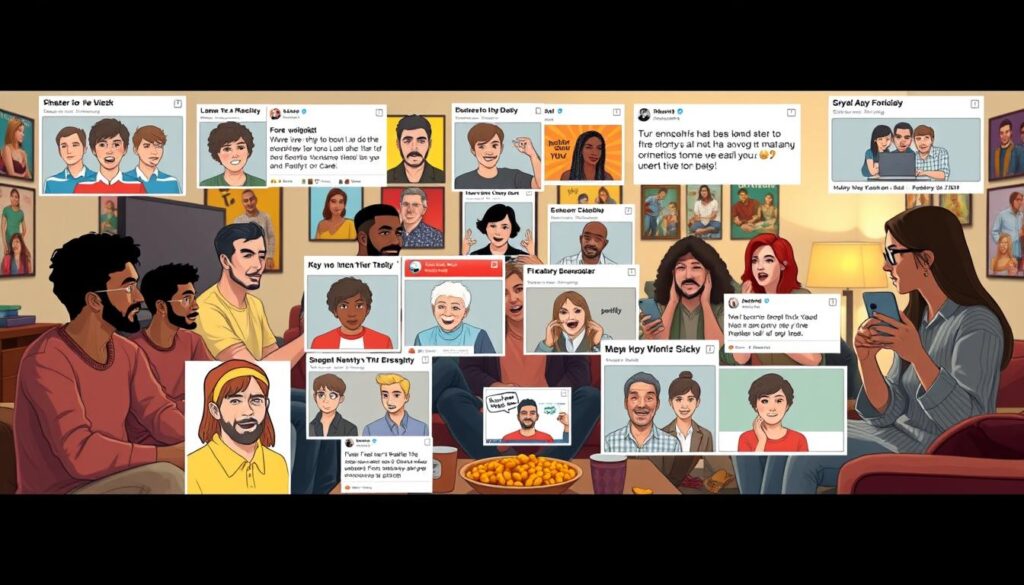
Today, 78% of Gen Z Indians prefer content about something over the thing itself. We’ve moved into a meta-fandom era where comments are as valuable as the original content. Now, reactions are the main attraction.
Memes do more than make us laugh—they create shared jokes and bond communities. When Pushpa 2’s trailer came out, fan edits and memes got more attention than the trailer itself. Fandom has turned into a team effort where everyone gets to be a director.
The power of memes in fandoms shows how fans grow stories through creativity. These digital jokes are the secret handshake of today’s fandom.
| Meme Type | Creation Speed | Engagement Impact | Community Value |
|---|---|---|---|
| Reaction Memes | Within minutes | High shares | Instant bonding |
| Quote Memes | During broadcast | Medium shares | Catchphrase creation |
| Edit Memes | Hours after show | Highest engagement | Story expansion |
| Meta Memes | Days later | Long-term value | Cultural commentary |
This meme world creates a parallel universe where fans are more than just viewers. They’re rewriting stories, pointing out what producers missed, and acting as unpaid creative directors.
Memes also last long after a season ends. They keep the conversation going, preserving the season’s most memorable moments—both good and bad.
In reality TV fandom, memes are the ultimate equalizer. Anyone with a smartphone and quick timing can join the cultural conversation. It’s like everyone gets a say in the writer’s room.
The Role of Influencer Fans
Remember when being a fan meant screaming at your TV alone? Those days are over. Today’s superfan doesn’t just watch; they make money from their love and shape culture.
The line between fan and creator has disappeared. We now live in a world where fans can make careers from their deep knowledge. Taran Armstrong is a prime example of this new type of fan who earns money from their expertise.
These fans become trusted analysts, changing how communities see things. They’re like modern-day oracles, predicting plot twists with amazing accuracy. Their strength lies in being real and knowledgeable.
Channels like @PleaseSitDown show how fandom goes beyond just watching TV. They’ve built huge communities around specific interests, like UPSC prep. It’s not just about the show; it’s about finding identity through shared interests.
The impact is huge. When AjjuBhai revealed his face to 40 million followers, it got 35 million views and 400,000 comments. It was more than just a viral moment; it was a cultural event.
| Fan Type | Traditional Superfan | Influencer Superfan | Professional Superfan |
|---|---|---|---|
| Primary Motivation | Emotional connection | Community building | Revenue generation |
| Content Output | Social media comments | Memes & reactions | Analytical content |
| Audience Reach | Friends & family | Thousands of followers | Millions of subscribers |
| Monetization | None | Sponsorships | Multiple revenue streams |
| Cultural Impact | Minimal | Community trends | Mainstream influence |
What makes a modern superfan different? They’ve turned their passion into a job. These creators analyze, predict, and sometimes even influence show outcomes with their huge followings.
Fandom has become a real career path. The most dedicated superfan could become a media star tomorrow. They’re changing the rules of fame, one viral analysis at a time.
How Fandoms Shape Show Decisions
Remember when reality TV fans were just screaming at their screens? Those days are gone. Today, fandoms have grown into powerful forces that change TV shows.
Take the legendary Big Brother “wall yellers” – fans who’d shout spoilers over the studio walls. Or that time a contestant’s family flew a banner over the house? That’s fandom intervention at its most dramatic and unsubtle.
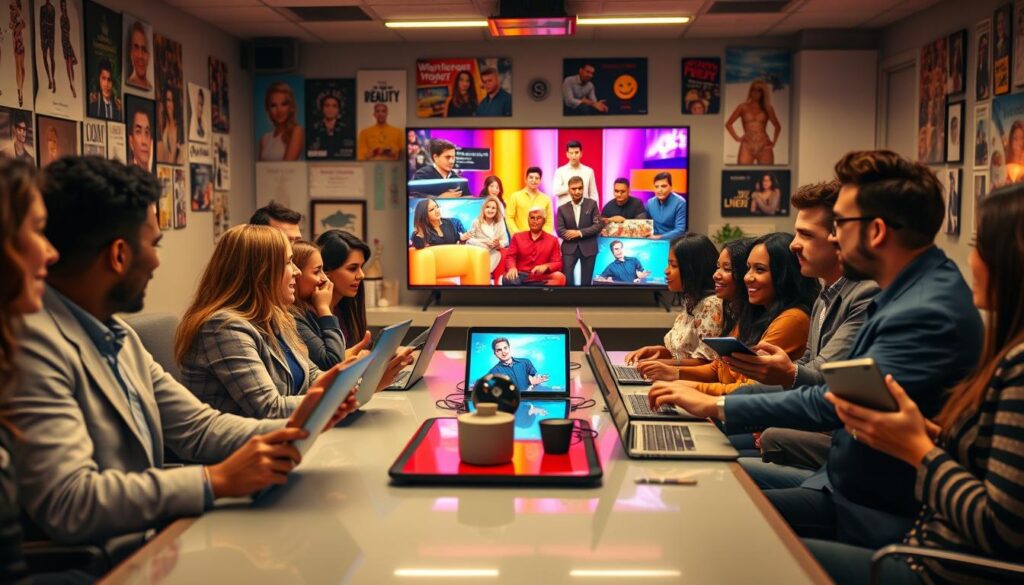
Now, fandoms act like co-creators, not just viewers. Producers keep an eye on TV chatrooms and social media all the time. They’re not just watching – they’re listening and adapting.
Here’s how the influence dynamic actually works:
| Fan Action | Producer Response | Show Impact |
|---|---|---|
| Social media campaigns | Editing changes | Narrative shifts |
| TV chatrooms discussion trends | Game rule adjustments | Format evolution |
| Viewer polling data | Casting decisions | Contestant selection |
| Merchandise sales | Season renewals | Series longevity |
The relationship has become symbiotic. Networks provide the content, but fandoms determine its meaning and value through endless analysis and engagement. It’s a fascinating power shift that would make Machiavelli proud.
Producers have become master interpreters of fan sentiment. They track which contestants gain traction in TV chatrooms, which moments go viral, and which storylines resonate. Then they adjust according to fan feedback – sometimes within hours of broadcast.
This isn’t just reactive editing either. Some shows now build entire seasons around anticipated fan reactions. They’re pre-writing storylines based on how they expect fandoms to respond. It’s reality TV prophecy meets crowd-sourced storytelling.
The most interesting development? Shows that actively incorporate fan feedback into their DNA. They’re not just listening to their audience – they’re building the plane while flying it, with fans as co-pilots.
Next time you’re in those TV chatrooms discussing last night’s episode, remember: someone’s probably taking notes. Your hot take might literally change what happens next week.
Negative Sides: Toxicity, Spoilers
Let’s explore the dark side of fandom culture. It’s the part that makes you question our love for reality TV. Imagine when passionate discussions turn into pure anger. That’s what we’re about to dive into.
Cameron Lowe, a Big Brother subreddit moderator, says it straight: “The offensive comments never stop.” Fans make racist and sexist comments, feeling entitled because they watch contestants all day. Seeing someone’s every move makes you feel like you own them.
This feeling doesn’t go away after the show ends. Contestants face constant demands and criticism from fans. They think their all-day watching gives them special knowledge. This is the psychological cost of being watched all the time.
There are also “Final Form” fans, who know every mistake in every franchise. While some offer good feedback, others use their knowledge to spread spoilers and negativity. Remember the racism scandals in reality shows? They showed how deep this toxicity goes.
This isn’t just about mean comments. It’s about how deep engagement can turn dark. Analysis can turn into anger. Passion can become an unhealthy obsession. The fan and critic lines get very blurred.
The reality TV world gives us a unique look into contestants’ lives. But maybe we’re not ready for it. Watching people all the time makes you see them as characters you can control. That’s when fandom culture turns toxic.
Conclusion
Reality TV fandom is more than just watching. It’s diving into the story itself. We’ve looked at forums, memes, and watch parties. But what’s the real picture?
This world is full of both good and bad. Taran Armstrong shows us how it’s both beautiful and toxic at the same time.
The future looks exciting. AI and creative tools will change how we interact with shows. Soon, your Twitter thread could decide who gets cast next.
This change is linked to how social media affects reality TV. It turns into a place where fans and creators meet. It’s where ideas get shared and amplified.
Today’s reality TV fandom shows our deep love for media. We don’t just watch; we analyze, live through, and help shape the stories. It’s a culture of participation, for better or worse. This trend is here to stay.