For more than a decade, reality competition shows operated on a simple premise: bigger stakes, flashier sets, exotic locations, and escalating prize money equaled bigger audiences. From globe-trotting seasons of The Amazing Race to cinematic castles in The Traitors, spectacle became part of the brand.
But in 2026, the industry conversation sounds different.
Behind the scenes, production companies and streaming platforms are recalibrating budgets. Not slashing unscripted content altogether — far from it — but restructuring how money is allocated. The result is a subtle yet measurable shift in how competition shows look, feel, and operate.
The question isn’t whether reality TV is dying. It’s whether the economics behind it are evolving faster than audiences realize.
Why Streaming Economics Are Changing The Game
During the peak of the streaming wars (2019–2022), platforms aggressively invested in original content to acquire subscribers. Unscripted shows were considered cost-effective compared to scripted dramas, often delivering strong engagement at a fraction of the cost.
However, subscriber growth has slowed across the industry. Platforms are now prioritizing profitability over rapid expansion, and that shift is reshaping budget strategies.
Unlike traditional broadcast networks, streaming services measure success through long-term retention and global scalability. A competition show must now justify not only production expenses but also its ability to travel internationally, spawn spinoffs, or generate sustained engagement across multiple markets.
The new mandate: spend smarter, not just bigger.
Production Scale Vs. Strategic Investment
At first glance, many flagship competition series still look lavish. The Traitors maintains its dramatic castle aesthetic. Love Is Blind continues its multi-episode pod experiment. Survivor still delivers high-intensity challenges.
But closer inspection reveals a pattern:
- Fewer international travel segments
- Shorter episode orders
- Consolidated filming schedules
- Increased reliance on contained environments
Rather than globe-hopping formats, many shows are leaning into controlled production hubs — a strategy that lowers logistical costs while preserving visual scale.
Consider how often modern competition series rely on:
| Cost Area | Traditional Model | 2026 Adjustment Trend |
|---|---|---|
| Locations | Multiple countries | Single primary location |
| Episode Count | 14–20 episodes | 8–12 episodes |
| Cast Size | Large rotating ensemble | Slightly streamlined casts |
| Set Design | Custom builds per season | Modular, reusable builds |
These shifts don’t scream “budget cut.” They signal budget optimization.
The Rise Of Contained Reality Formats
One of the clearest examples of budget efficiency is the contained competition format.
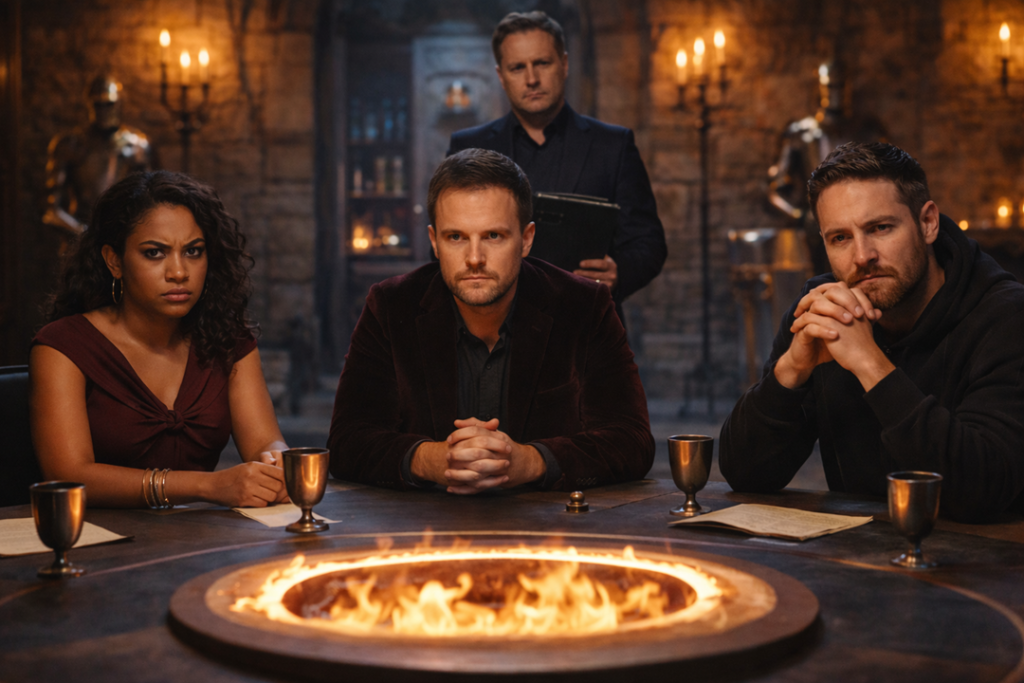
Shows like The Traitors, as seen in our The Traitors Season 4 strategy breakdown, Big Brother, and Love Is Blind operate within largely fixed environments — castles, houses, pods, resorts. Once the infrastructure is built, future seasons become more cost-predictable.
This model offers several advantages:
- Controlled production timelines
- Reduced travel overhead
- Easier international adaptation
- Scalable global versions
In fact, international expansion has become a key budget multiplier. A format developed in the U.S. can be licensed and reproduced in the U.K., Australia, Sweden, or Brazil with localized casts but standardized frameworks.
The format becomes the asset — not the individual season’s spectacle.
Prize Money Isn’t Inflating — And That’s Telling
Another revealing indicator is prize structure. Despite inflation across industries, top competition shows have largely maintained static grand prizes:
- $1 million remains the benchmark for many legacy shows
- Incremental increases are rare
- Split prizes and performance-based bonuses are more common
The optics of a million-dollar prize remain powerful, but the relative value has shifted over time. That suggests networks are maintaining familiar headline figures without dramatically increasing financial exposure.
The spectacle remains intact — the spending discipline tightens underneath it.
The Influence Of Social Media And Built-In Promotion
A major reason platforms can control costs without sacrificing buzz is the built-in promotional engine of social media.

Modern contestants arrive with established online audiences. Post-episode discourse unfolds on TikTok, Instagram, and X within minutes. Viral moments extend a show’s lifespan beyond the runtime itself.
This organic amplification reduces the need for expensive marketing pushes. A strategic casting choice can generate more digital engagement than a multimillion-dollar set extension.
In other words, influence has become part of the production value.
Are Viewers Noticing The Shift?
Audience response has been mixed — and nuanced.
Some fans argue that newer seasons feel “smaller” or less adventurous. Others appreciate tighter storytelling and more focused casts. Ratings performance and streaming charts suggest that competition shows remain strong performers relative to scripted programming.
The reality is that viewers prioritize compelling gameplay and emotional stakes over sheer spectacle.
When strategy intensifies, alliances fracture, and social dynamics explode — production gloss becomes secondary.
What This Means For The Future Of Competition TV
The industry isn’t retreating from reality television. It’s refining it.
Expect to see:
- More international franchise ecosystems
- Cross-casting between established formats
- Flexible episode counts tailored to performance
- Investment in repeatable production environments
The streaming shift hasn’t shrunk reality TV — it has professionalized its cost structure.
Competition shows remain among the most efficient content vehicles in entertainment. They generate binge-worthy arcs, social media conversation, and global adaptations without requiring Marvel-level budgets.
If anything, this era may produce smarter, more strategically designed formats — where every dollar is intentional, and every twist serves longevity.
The spectacle hasn’t disappeared. It’s simply being engineered with precision.