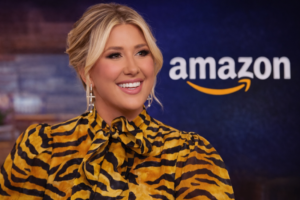
For years, The Bachelorette has been one of the most recognizable brands in reality television. What began as a straightforward dating competition has evolved into something much larger — a multi-platform entertainment ecosystem that extends far beyond a single season.
With new specials like The Bachelorette: Before the First Rose, reunion-style programming, podcasts, and digital exclusives, the franchise is no longer confined to weekly episodes on broadcast television. Instead, it now operates as a year-round content machine designed to keep audiences engaged across multiple touchpoints.
This expansion reflects a broader shift across reality television, where dating shows are becoming continuous experiences rather than isolated series.
Why Multi-Platform Reality Content Is Growing
The traditional model of reality TV — one season per year, followed by a long break — no longer aligns with modern viewing habits.

Audiences today expect constant engagement. Social media, streaming platforms, and companion content have created an environment where viewers want to stay connected to their favorite shows even when episodes are not airing.
Reality dating franchises have responded by expanding into multiple formats:
| Platform | Type Of Content |
|---|---|
| Broadcast TV | Main seasons and finales |
| Streaming | Extended cuts, spin-offs |
| Social Media | Behind-the-scenes and cast updates |
| Podcasts | Contestant interviews and commentary |
This multi-platform strategy allows franchises like The Bachelorette to maintain visibility year-round, reducing the risk of audience drop-off between seasons.
The Role Of Nostalgia And Returning Contestants
One of the most effective tools in franchise expansion has been nostalgia.
Special episodes featuring past leads and contestants — such as pre-season events and reunion specials — tap into the emotional investment viewers have built over years of watching the show.
Bringing back familiar faces serves multiple purposes:
- Re-engaging longtime fans
- Introducing newer audiences to franchise history
- Creating built-in storylines without starting from scratch
This approach mirrors what we’ve seen in Survivor’s milestone season strategy, where legacy contestants drive anticipation and engagement across generations of viewers.
Streaming Platforms Are Changing The Game
Streaming services have played a major role in accelerating franchise expansion.

Unlike traditional television schedules, streaming platforms allow networks to release supplemental content at any time. This flexibility enables reality dating franchises to experiment with spin-offs, extended episodes, and exclusive behind-the-scenes material.
Additionally, streaming platforms benefit from keeping viewers within their ecosystem. A fan who finishes a season can immediately transition into related content, increasing watch time and platform loyalty.
The broader trend aligns with insights from Variety’s coverage of reality TV franchise expansion strategies, which highlights how networks are investing in continuous engagement models rather than one-off programming.
The Rise Of Reality Dating Universes
Reality dating shows are increasingly behaving like interconnected universes rather than standalone programs.
Contestants frequently move between shows, appear in spin-offs, and maintain public visibility long after their original season ends. This creates an ongoing narrative that extends beyond a single storyline.
In this model:
- Contestants become recurring personalities
- Relationships evolve across different shows
- Audiences follow people, not just formats
This shift is part of a larger industry movement where reality stars function as long-term assets rather than temporary participants.
The Business Strategy Behind Expansion
From a production standpoint, expanding a franchise into multiple platforms is both a creative and financial strategy.

Launching entirely new reality shows comes with risk. Building audiences from scratch is difficult, especially in a crowded entertainment landscape.
Expanding an existing franchise, however, offers several advantages:
- Lower marketing costs due to brand recognition
- Higher viewer retention across platforms
- Increased monetization opportunities through multiple content streams
This approach allows networks to maximize the value of a successful brand without relying solely on a single format.
The Challenge Of Maintaining Authenticity
While expansion creates opportunities, it also introduces challenges.
One of the key appeals of early reality dating shows was their simplicity. As franchises grow more complex, there is a risk that the content begins to feel overly produced or repetitive.
Audiences are increasingly sensitive to authenticity. If spin-offs and supplemental content feel forced, engagement can decline.
Producers must strike a balance between expanding the franchise and preserving the emotional authenticity that made the original format successful.
What This Means For The Future Of Reality Dating Shows
The expansion of The Bachelorette franchise is part of a broader transformation within reality television.
Dating shows are no longer limited to a single narrative arc. They are evolving into multi-platform ecosystems that keep audiences engaged year-round.
Our recent analysis of streaming platforms investing in reality star crossovers explored how networks are building interconnected entertainment experiences rather than isolated shows.
This strategy is likely to continue as competition between platforms intensifies.
For viewers, this means more content, more access, and more opportunities to stay connected with their favorite personalities.
For networks, it represents a new blueprint for sustaining long-term engagement in an increasingly fragmented media landscape.