
Reality television is increasingly entering an era where familiar personalities move between franchises instead of staying tied to a single show. The latest example involves Savannah Chrisley, who is reportedly filming a new Amazon reality series alongside former cast members from the Real Housewives franchise.
Early reports suggest the series will bring the participants together in a shared setting — reportedly a house in the Dominican Republic — with a concept inspired by travel-based experiences similar to Eat, Pray, Love combined with ensemble reality formats.
For streaming platforms like Amazon, the casting decision reflects a broader industry strategy: combining recognizable personalities from different reality franchises to generate instant audience interest.
The approach is rapidly becoming one of the defining trends in modern unscripted television.
Why Savannah Chrisley Fits The New Streaming Model
Savannah Chrisley is not new to the reality television spotlight. She rose to prominence on USA Network’s Chrisley Knows Best, which followed the lives of her outspoken Southern family for ten seasons before ending in 2023.
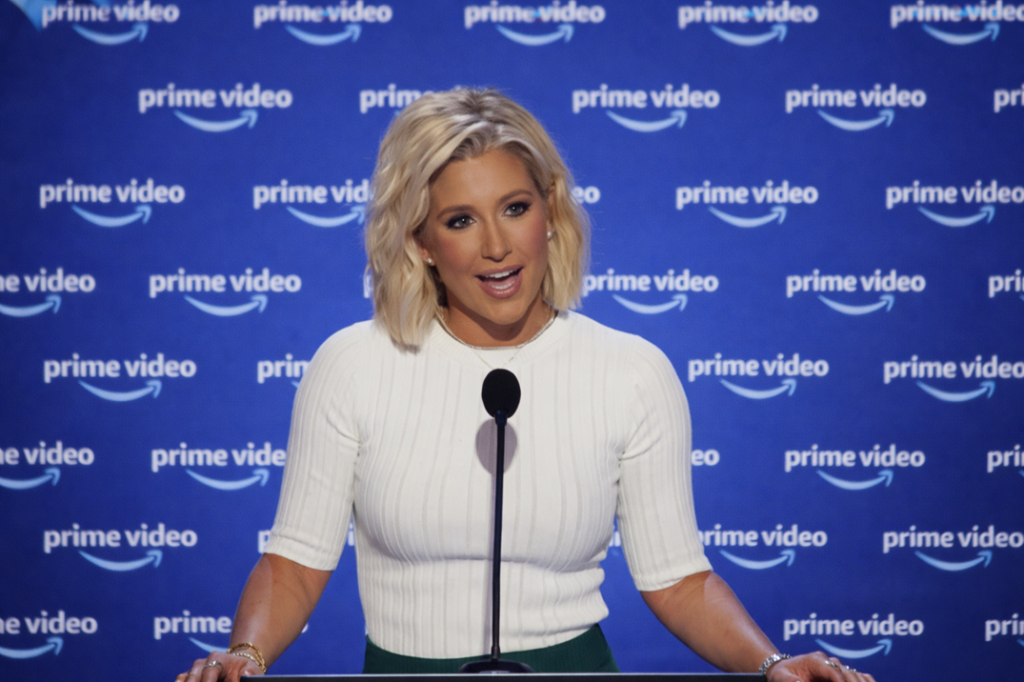
Since then, Chrisley has continued to maintain a public presence through television appearances, podcasting, and media commentary. Her name recognition alone makes her a valuable addition to any unscripted ensemble project.
Streaming platforms are increasingly seeking personalities who already possess:
- Established fan bases
- Social media reach
- Experience performing in unscripted environments
Reality veterans bring these advantages immediately — making them a lower-risk casting choice compared with unknown contestants.
The Rise Of Reality TV Crossovers
Crossovers between reality franchises are not entirely new, but the practice has accelerated dramatically in the streaming era.
Producers have discovered that placing recognizable personalities from different shows together often creates the same kind of excitement that crossover films generate in other entertainment sectors.
Reality star crossovers typically produce three key benefits:
| Benefit | Why It Matters |
|---|---|
| Built-in audiences | Fans follow contestants across shows |
| Instant drama | Participants arrive with existing reputations |
| Marketing buzz | Viewers discuss the casting before episodes even air |
Industry executives increasingly view crossovers as a reliable way to boost engagement. When audiences already know the personalities involved, shows begin with built-in storylines and fan expectations.
Streaming Platforms Are Building Reality Universes
Major streaming companies are beginning to treat reality television more like interconnected franchises than isolated programs.

Netflix has openly discussed building a “Reality Universe” where contestants from different shows appear across formats and platforms, creating a continuous ecosystem of personalities.
In practice, this means audiences may see the same contestants move from dating shows to competition series to celebrity spin-offs.
Our previous analysis of reality TV crossovers reshaping streaming competitions explored how these shared casting strategies are changing the structure of unscripted entertainment.
For streaming services, the model encourages loyalty: viewers who follow a personality from one show are more likely to watch the next.
Why The Real Housewives Connection Matters
The Real Housewives franchise has produced some of the most recognizable figures in modern reality television.
Over more than a decade, Bravo’s flagship series has created a roster of personalities whose conflicts, alliances, and rivalries frequently dominate social media conversations.
Bringing former Housewives into a new streaming project adds several advantages:
- Instant brand recognition
- Strong personalities comfortable on camera
- Pre-existing rivalries or alliances
When these figures interact with personalities from other reality franchises — such as Chrisley — the potential for dramatic television increases.
The Business Logic Behind Crossover Casting
From a production standpoint, crossover casting also addresses a growing challenge for streaming platforms: audience fragmentation.
With dozens of new reality shows launching each year, convincing viewers to invest time in unfamiliar contestants can be difficult.
Using established personalities reduces that barrier.
The strategy also reflects a shift in how audiences consume reality television. Instead of following a single program, many viewers now follow specific personalities across different shows and platforms.
In other words, the contestant has become the franchise.
The Risks Of Relying On Familiar Faces
Despite its advantages, crossover casting comes with potential downsides.
Part of the appeal of early reality television was the discovery of new personalities. When too many shows rely on returning contestants or reality celebrities, audiences may begin to feel that the genre is recycling the same figures repeatedly.
Producers must therefore strike a careful balance between:
- recognizable personalities
- fresh contestants with unpredictable energy
Too much familiarity can reduce the excitement that originally made reality television compelling.
A Sign Of Where Reality TV Is Heading
The Savannah Chrisley Amazon series is more than just another reality show announcement. It represents a larger shift in how unscripted television is being developed in the streaming era.
Reality television is evolving into an interconnected ecosystem where personalities move between platforms, franchises, and formats.
For viewers, this creates an ongoing narrative that extends beyond a single series.
For streaming platforms, it creates something even more valuable: a universe of recognizable stars that audiences already know — and want to keep watching.