
Forget rose ceremonies and tribal councils. The real drama happens off-camera in courtrooms.
I’ve seen reality TV grow from Candid Camera to big-money shows. Now, they face more legal issues than a Survivor challenge.
Jeremy Hartwell sued Love Is Blind. He said cast members worked long hours for low pay. They had bad food and unsafe places to work.
This isn’t just about bad behavior on TV. It’s about if producers follow the law. Or if they just hope for drama ratings.
The big question isn’t who gets the final rose. It’s who gets a court summons next.
Standard Contracts & Clauses
Ever peek behind the velvet rope of reality TV? The real magic happens before cameras roll. Producers slide a 40-page contract across the table. It’s less “sign here for fame” and more “initial every page where we own your soul.”
These documents are legal labyrinths designed by teams of attorneys. They probably watch Black Mirror for inspiration. Participants aren’t employees—they’re “independent contractors” signing away rights they didn’t know they had. The classification isn’t just semantic gymnastics; it’s a masterclass in liability avoidance.
Take the Love Is Blind contract that pays $1,000 weekly for 20-hour days. That’s below minimum wage if you do the math—which production companies hope you won’t. They avoid overtime requirements, workplace safety regulations, and benefits obligations because technically, these aren’t employees. They’re “content creators” who just happen to have their breakdowns televised.
The non-disclosure clauses are very clever. They’re so airtight that participants can’t discuss their experience for years—sometimes forever. Want to tweet about bad catering? That’ll be a $1 million penalty. Mention the producer who encouraged drunken fights? That’s another million.
Key contract elements include:
- Perpetual image rights (they own your crying face forever)
- Mental health liability waivers (breakdowns are your problem)
- Alcohol consumption encouragement (drama is good content)
- Editing discretion (they can make you say anything)
It’s the legal equivalent of a rigged carnival game—the house always wins. Participants sign away privacy, dignity, and sometimes sanity for a shot at fame. Yet somehow, the line of applicants stretches around the block every season. The real question isn’t whether these contracts are ethical, but why we keep watching the human collateral damage.
Non-Disclosure Agreements and Rights
Reality TV contracts ask for more than just keeping secrets. They demand total control over what gets shared. I’ve seen documents that make CIA secrets look like open invitations. Contestants give up their right to speak while producers keep all the power.
It’s a clever trick. People think they’re sharing their true stories, but they can’t. It’s like buying your own book, but the publisher owns the rights.

Many stay quiet about bad experiences because of contracts and fear of being blacklisted. This silence is not just preferred, it’s required by law and enforced by producers.
These non-disclosure agreements are like gag orders in disguise. They cover up everything from emotional tricks to unsafe work conditions. All to protect producers from being held accountable.
A legal study shows reality TV contracts have clauses that make lawyers uncomfortable. Contestants give up their right to complain while cameras keep filming.
This imbalance leads to controlled stories and silenced voices. Producers get the drama they need, while contestants face legal threats for speaking out.
| Contract Element | Participant Reality | Production Benefit |
|---|---|---|
| Emotional Manipulation Clauses | No right to protest psychological stress | Guaranteed dramatic footage |
| Portrayal Control | No approval over final edit | Complete creative freedom |
| Legal Recourse Limitations | Binding arbitration required | Avoids public lawsuits |
| Confidentiality Duration | Lifetime enforcement common | Permanent story control |
The non-disclosure trick works because people think they’re in entertainment. But producers treat them like contract prisoners. Everyone hopes for fame, but few realize they’re losing their voice.
These agreements show the paradox of reality TV. They promise authentic stories but control every word. The real drama is hidden in legal documents that contestants rarely understand before signing.
Participant Consent and Ethics
Reality TV often walks a thin line when it comes to consent. It’s like contestants’ moral compasses waver after a few drinks. The truth? Alcohol is used as a tool, not just for fun.
Producers know how to use alcohol to get contestants to make choices they might regret. They use empty stomachs, lack of sleep, and strategic alcohol placement. It’s a form of psychological trickery, disguised as a welcoming gesture.
The Below Deck Down Under incident was a turning point. When producers stopped a crew member from entering a cabin naked, they showed a rare act of care. They chose safety over the drama of the moment.
This event shows how common it is for shows to push boundaries. Most would keep filming and call security after the drama unfolds.
There are many ways shows exploit participants, not just through alcohol:
- They trigger fears for dramatic reactions
- They isolate participants from support systems
- They offer “aftercare” that’s not very effective
Consent is tricky when contracts are signed sober but actions are taken drunk. It’s like agreeing to skydive on solid ground, then jumping without checking if you’re ready.
| Common Tactic | Ethical Concern | Typical Outcome |
|---|---|---|
| Open bars on empty stomachs | Impaired consent | Regrettable hookups |
| Sleep deprivation | Reduced judgment | Emotional outbursts |
| Isolation from family | Psychological vulnerability | Dependence on producers |
| Selective intervention | Safety versus content dilemma | Inconsistent protection |
The Below Deck incident shows change is possible. When producers treat participants as humans, everyone wins. Well, except for viewers who enjoy the chaos.
True ethical production would mean:
- Having real mental health experts on set
- Strict alcohol rules with options for participants
- Interventions that put safety first
- Clear aftercare that lasts beyond the show
Until then, we watch adults in chaos, while networks make money. The real issue isn’t consent—it’s understanding what they agree to after a few drinks and hours of filming.
Labor Concerns Behind the Scenes
While we watch drama on TV, the real issues happen behind the scenes. Crew members face harsh conditions that would shock OSHA inspectors. The entertainment world’s biggest secret is not scandals, but breaking labor laws that treat people as tools.
I’ve seen many reports that make my head spin. Crew members often work 18-hour days without breaks. It seems like their rights disappear when cameras start rolling. Minimum wage laws are broken so often, they’re seen as part of the budget.
Some cases are truly shocking. On renovation shows, workers fall through floors without safety measures. It’s like safety is an extra feature, not a basic right.
Things get even worse. Participants are given alcohol to make them more dramatic. It’s like saying it’s okay to make bad choices for 20 hours straight. It’s the only job where being drunk is part of the job.
Speak up about these issues? You’re out of a job. Whistleblowers face lawsuits for trying to speak out. It’s seen as a plot twist, not a serious issue.
The practices are shocking and disturbing. It’s like saying, “We might get sued if someone dies.” These lawsuits are not just about money. They’re about making the industry respect workers’ rights.
Recent Scandal Case Studies
If business schools want to teach crisis management, they should just stream recent reality TV lawsuits. These cases offer more practical education than any ethics textbook could provide.
The Bachelor in Paradise season 4 incident became the gold standard for production panic. A drunken sexual encounter prompted a full shutdown. We saw a masterclass in damage control versus actual accountability. The investigation found no misconduct, but the spectacle showed how networks prioritize reputation over participant welfare.
On the other hand, the Below Deck franchise keeps employment lawyers busy with sexual misconduct allegations. Multiple crew members reported incidents to production HR, yet the consequences for perpetrators were strikingly absent. This pattern shows that when ratings anchor a billion-dollar industry, accountability tends to get lost at sea.
Then came Vanderpump Rules’ “Scandoval” – proving you don’t need alcohol-fueled chaos to achieve record ratings. This old-fashioned cheating scandal showed that ethical production can be both possible and profitable. Who knew playing by the rules could break viewership records?
| Show | Scandal Type | Production Response | Viewership Impact |
|---|---|---|---|
| Bachelor in Paradise | Sexual misconduct investigation | Production shutdown, internal review | Short-term dip, then recovery |
| Below Deck | Multiple assault allegations | HR reports, no perpetrator consequences | Steady ratings despite controversies |
| Vanderpump Rules | Infidelity scandal (“Scandoval”) | No production changes needed | Record-breaking ratings surge |
These case studies reveal an uncomfortable truth: networks often treat reality TV lawsuits as PR problems. They show consistent prioritization of brand protection over genuine reform.
Yet the Vanderpump Rules example offers hope. It proves that compelling drama doesn’t require dangerous environments. Maybe the industry will learn that ethical production and profitability aren’t mutually exclusive concepts.
Impact on Show Reputation
Who knew basic human decency could be TV’s new trend? In a world of made-up drama, shows are finding that being ethical is smart business.
When Below Deck Down Under producers stepped in to remove a drunk crew member, fans were happy. They loved the show for its respect for everyone involved.
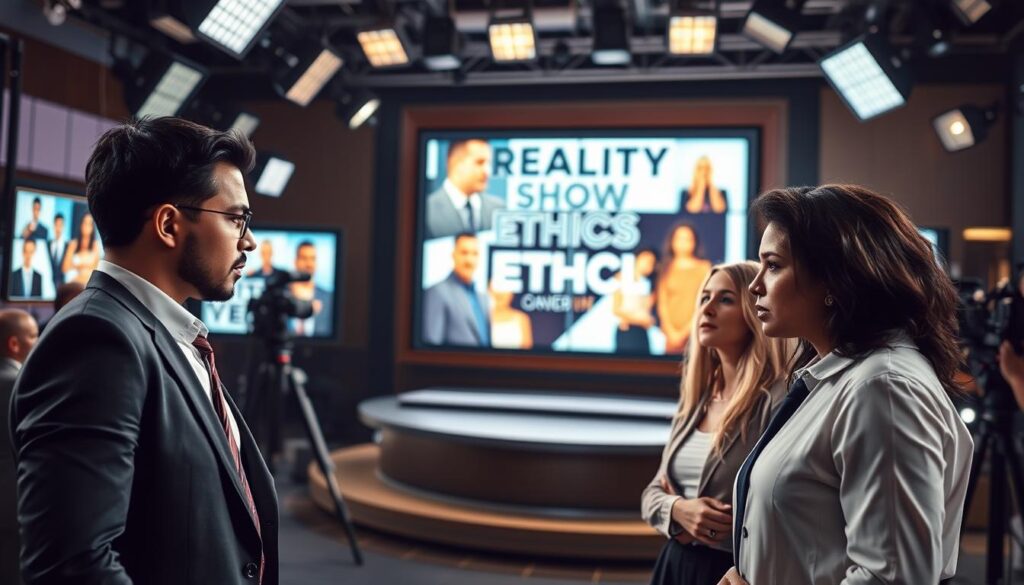
This isn’t just one show. Big hits like Love Island and The Bachelor also started caring more. They set limits on alcohol and offered help for mental health. And guess what? Their ratings stayed strong.
It’s clear: shows that look out for their stars do well. They avoid the legal and ethical problems that come with ignoring safety. It’s better for everyone involved.
| Show | Ethical Intervention | Viewer Response | Long-term Impact |
|---|---|---|---|
| Below Deck Down Under | Producer intervention in harassment situation | Positive social media buzz | Increased season 2 renewal interest |
| Love Island | Alcohol limits & psychological support | Maintained ratings | Improved brand reputation |
| The Bachelor | Reduced alcohol availability | Continued engagement | Fewer post-show controversies |
This change is more than just being kind. It’s about understanding what viewers want. They want real connections, not just drama.
The irony is rich. Networks that worried about being too careful are now leading the pack. Maybe treating people with respect is the best twist reality TV could get.
Legal Trends
Reality TV’s legal world is changing fast, like a Survivor contestant’s loyalty. We’ve moved from a time when people avoided lawsuits to the “Great Reckoning.”
Remember when fame addiction kept people quiet? Those days are fading. Lawyers are now questioning why reality TV is exempt from employment laws. They’re challenging the independent contractor classification in courts everywhere.
NDAs that once kept participants silent are now being tested. Production companies are learning that “it makes good TV” isn’t a legal defense. Reality TV legal issues are leading to real accountability.
One lawyer said, “What the law thinks of it will matter.” The law is starting to see reality TV’s business model as possibly illegal. Expect more lawsuits, no matter what insiders say.
The curtain is lifting on reality TV legal controversies. Participants are no longer willing to give up their rights for fame. The game has changed forever.