Do you remember when “The Real World” first aired? It seemed like a bold experiment, with seven strangers living together. But it was just the start of something big.
Now, reality TV is everywhere. It’s our favorite way to spend time. We’ve chosen real-life drama over perfect stories.
The Kardashians have become famous. Housewives shows are everywhere. And dating shows are more exciting than any Shakespeare play.
Reality TV shows us something deep about ourselves. We want to connect but also escape. This mix explains why so many watch every week.
So, how did reality TV become so popular? The answer might surprise you.
How Reality TV Changes Language, Fashion, Music
Reality TV doesn’t just entertain us—it changes our culture. Remember when “throwing shade” was just for drag queens? Now it’s common in office meetings. “Yas queen” used to need explanation, but now it’s everyday language.
Fashion trends move from TV to real life quickly. Everyone’s wearing bold necklaces, just like on Real Housewives. Athleisure wear became popular thanks to fitness shows making sweatpants stylish.
Music discovery also changed. Talent shows now find new artists, replacing record labels. Unknown artists get famous fast through TV, a trend The New Yorker noted in 2011.
The social impact goes beyond fun. Shows like Queer Eye and RuPaul’s Drag Race brought LGBTQ+ culture to the mainstream. They helped increase acceptance through TV.
We use reality TV’s dramatic style in our daily talks. We describe conflicts like tribal council votes. Dating issues and parenting tips also get reality TV twists.
This cultural blending is reality TV’s most interesting effect. It shows how TV can change how we talk, dress, and think. Often, we’re too caught up in watching to see the changes.
Famous Reality TV-Driven Trends
The Kardashian contour started in a reality TV confessional, not a makeup lab. This shows how personal branding turns into cultural currency. When someone’s makeup technique goes global, it’s pop culture magic.
Reality stars now make their fame last long. They turn catchphrases into businesses and launch products from viral moments. This new model turns short screen time into lasting success.
Andy Warhol’s fifteen minutes prophecy has turned into a constant content machine. Today’s reality stars don’t just get their quarter-hour—they make it last. The most successful ones create lasting pop culture trends that shape what we buy for years.
The duck call phenomenon from Duck Dynasty is a great example. It started as a niche product but became a cultural icon. Bearded men in camouflage became fashion icons overnight. The show didn’t just show a family business—it started a movement.
Drag culture went mainstream through RuPaul’s Drag Race. The show brought underground art to TV. It made phrases like “shade” and “reading” common. This shows TV’s power to bring subcultures into the mainstream.
| Reality Show | Trend Created | Cultural Impact | Commercial Success |
|---|---|---|---|
| Keeping Up With The Kardashians | Contouring makeup | Global beauty standard | Billion-dollar beauty lines |
| Shark Tank | Entrepreneur celebrity | Mainstream business education | Multiple invested companies |
| Queer Eye | Metrosexual acceptance | Redefined masculinity | Lifestyle brand expansion |
| The Bachelor | Reality romance tropes | Dating show format | Franchise media empire |
These pop culture trends might not last long, but they change beauty standards and what we want to do. We see fast cultural changes, like evolution on fast-forward.
The cycle of reality TV trends is interesting. Reality TV creates trends that then influence more reality TV. It’s a cycle that keeps going, and we keep watching.
Impact on Social Issues & Public Conversations
In the world of reality TV, progress often hides in plain sight. Shows like these act as accidental anthropologists. They capture our cultural shifts while we’re caught up in the drama.
Shows like RuPaul’s Drag Race and Queer Eye have made a big difference. They’ve helped make LGBTQ+ culture more accepted. The Real Housewives franchise has also changed how we see women and power.
Reality TV can actually help start conversations, according to research. It acts as a learning tool and motivator for young people. Who knew watching rich women fight over salads could be educational?
The relationship between reality TV and society is complex. It reflects our worries but distorts them for fun. We get deep messages wrapped in glitter and confessions.
| Social Issue | Positive Impact | Problematic Aspect |
|---|---|---|
| LGBTQ+ Representation | Mainstream acceptance through shows like RuPaul’s Drag Race | Often reduced to stereotypes for dramatic effect |
| Women’s Empowerment | Complex female narratives in Real Housewives franchises | Focus on catfights undermines solidarity messaging |
| Class & Wealth Discussions | Demystifies economic disparities through personal stories | Glorifies consumerism and materialistic values |
| Mental Health Awareness | Opens conversations about therapy and self-care | Exploits emotional breakdowns for ratings |
| Racial Diversity | Platforms for underrepresented voices and stories | Often tokenizes cast members from diverse backgrounds |
This mix of real and fake creates a unique tension. The same show can offer real cultural insights and silly moments. It’s a messy, effective way to bring progress into our living rooms.
The real impact of reality TV is in the conversations it starts. Families talk about ethics at dinner. Friends discuss gender over drinks. Reality TV gives us the topics, and we add our thoughts.
This strange bond between reality TV and society shows us change can come from anywhere. Even from places filled with spray tans and diamonds.
The Feedback Loop: Pop Culture in TV
Reality TV doesn’t just show culture; it consumes and regurgitates it in a cycle. We’re in an era where our reactions shape TV shows. This digital interaction turns viewers into unpaid writers.
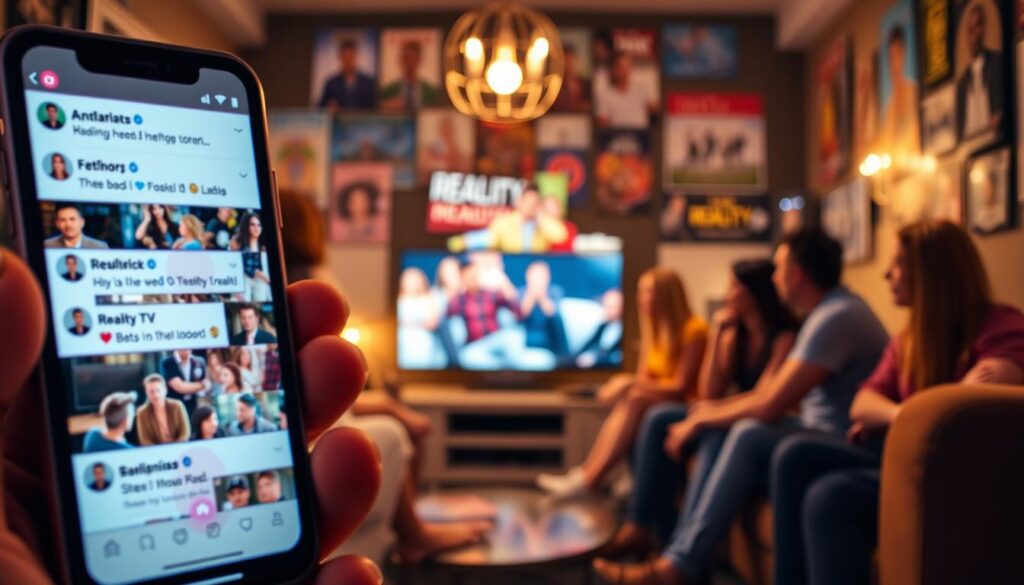
Hashtags trend fast after big moments. Memes capture the worst lines. Live tweets act as instant feedback. Production teams watch these closely, making changes quickly.
Reality shows that interact with fans do better. Here’s how different platforms help this cycle:
| Platform | Audience Influence | Production Response Time | Impact on Ratings |
|---|---|---|---|
| Twitter/X | Real-time reaction tracking | Within 24 hours | 15-20% increase |
| Meme culture propagation | 2-3 days | 10-12% boost | |
| TikTok | Viral challenge creation | Next episode | 25-30% surge |
| Facebook Groups | Long-form discussion | Next season | 5-8% growth |
Contestants now aim for the second screen. They know going viral is more important than winning. They create moments for social media, outfits for memes, and reactions for gifs.
This reality TV influence creates trends that feed back into shows. A phrase in March becomes a finale theme in August. Fashion trends on TikTok become cast uniforms next year. We’re all part of this manufactured reality, and we love it.
The feedback loop is so tight, it’s almost a noose. Shows change based on what we say online. Contestants adjust their acts for social media. And we all help write this never-ending episode of our culture.
Top Shows Setting Trends
Did you know some of our biggest cultural influencers aren’t in movies? They’re in reality TV editing rooms. These shows don’t just entertain. They create cultural blueprints.
The Kardashian family is a prime example. Keeping Up with the Kardashians turned family drama into a business. They made personal lives into premium content, building an empire.
Survivor changed entertainment. It made strategic gameplay a spectator sport. Now, office politics seem like tribal council meetings.
RuPaul’s Drag Race also made a big impact. It showcased queer culture with polish. Phrases like “shade” and “yas queen” became mainstream.
Each show creates its own cultural world:
- Real Housewives: Affluent conflict as entertainment
- The Bachelor: Romantic capitalism on display
- Talent shows: Instant fame machinery
The social impact of these shows goes beyond catchphrases. They’ve created trend economies where fashion, language, and business meet. Reality TV shapes society through these cultural factories.
Reality TV & society have a constant dance of influence. These shows don’t just set trends. They build the factories that produce them.
Societal Critiques
Reality TV has turned human flaws into entertainment. It makes flaws like pride and greed seem good. Now, being confident and ambitious is seen as positive.
Toxic behavior is now rewarded on TV. This has a big social impact. It makes bullying and competitive relationships seem okay.
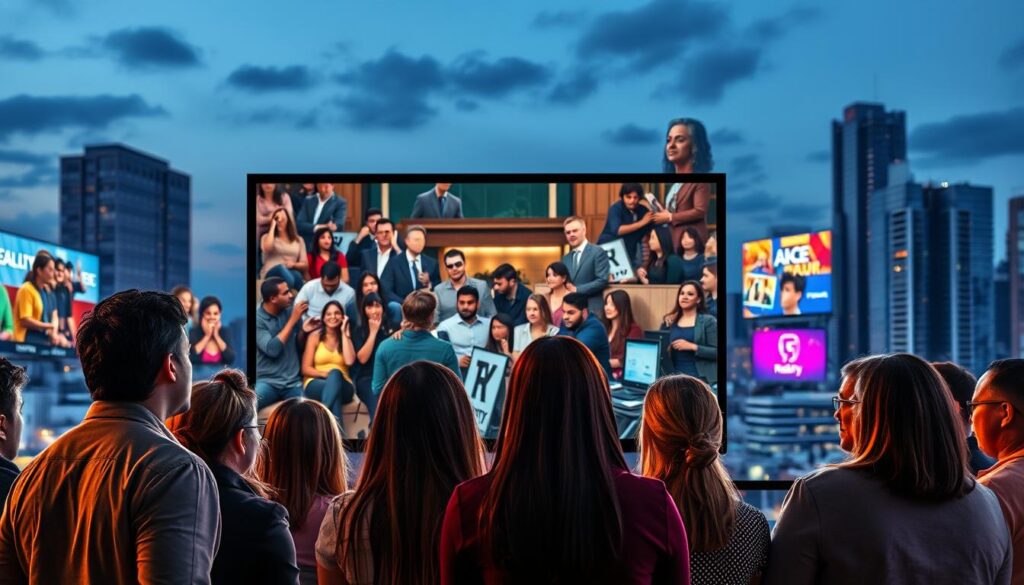
This behavior affects our reality TV & society relationship. Young people start to think this behavior is normal. The line between TV and real life gets blurred.
Reality TV also messes with body image. Contestants change a lot, setting bad beauty standards. It tells us our worth is based on looks and drama.
But, we can’t stop watching. The drama is addictive. We criticize but keep watching, feeling guilty.
| Reality TV Trait | Real-World Impact | Cultural Consequence |
|---|---|---|
| Normalized Conflict | Increased acceptance of aggressive behavior | Erosion of civil discourse |
| Appearance Focus | Rising body image issues | Unrealistic beauty standards |
| Instant Fame Culture | Devaluation of earned achievement | Shortcut mentality proliferation |
| Manufactured Drama | Blurred reality boundaries | Emotional desensitization |
Reality TV also affects politics. It changes how we see competition and cooperation. This is shown in this analysis of reality TV’s political influence.
Is reality TV watching us? It shows us a distorted view of ourselves. This reflection is entertaining but not flattering.
Reality TV makes boredom unacceptable. It favors drama over quiet moments. This makes real life seem dull.
Conclusion
Reality TV is like a funhouse mirror of our times. It shows us who we are, but in a twisted way. It influences everything from slang to social justice.
Shows like Keeping Up with the Kardashians and The Real Housewives shape pop culture. They make us laugh, cringe, and sometimes think. They turn personal drama into public conversation.
We watch reality TV for escape or to feel empathy. Sometimes, we enjoy seeing others’ misfortunes. Reality TV shows us our voyeuristic side.
The big question is, does reality TV shape society? Or does society shape its impact on us? Can we enjoy the drama without losing our grip on reality?
This cultural paradox isn’t going away. It keeps evolving as we do. Reality TV’s influence is a feedback loop of our own making. Pop culture trends will keep spinning from it.
So next time you binge-watch, remember: you’re not just a viewer. You’re part of the show.