
Before Formula 1: Drive to Survive debuted on Netflix in 2019, the global racing championship already had prestige, history, and a fiercely loyal fan base. But outside Europe and traditional motorsport circles, Formula 1 often struggled to break into mainstream pop culture.
That changed dramatically once Netflix cameras entered the paddock.
By focusing not only on racing but on personalities, rivalries, and emotional pressure behind the scenes, Drive to Survive reframed Formula 1 through the lens of modern reality storytelling. Suddenly, drivers weren’t just athletes navigating high-speed circuits — they were characters with arcs, motivations, and conflicts.
The series didn’t merely document the sport. It transformed how audiences connect with it.
Storytelling Turned Drivers Into Personalities
Traditional motorsport broadcasts center on technical analysis, lap times, and strategy calls. Drive to Survive flipped that narrative structure by prioritizing human drama.
Episodes highlight:
- Contract negotiations
- Team rivalries
- Personal ambition and insecurity
- Leadership tensions inside garages
By structuring seasons like serialized drama, Netflix turned individual drivers into recognizable personalities rather than anonymous competitors in helmets.
Daniel Ricciardo’s charisma, Guenther Steiner’s blunt management style, and the calculated intensity of Max Verstappen all became defining elements of the show’s narrative ecosystem.
This shift helped audiences emotionally invest in the sport even when they knew little about aerodynamics or tire strategy.
The Rise Of The Driver As Entertainment Figure
The most visible outcome of the series is the rapid growth of driver visibility outside racing circles.
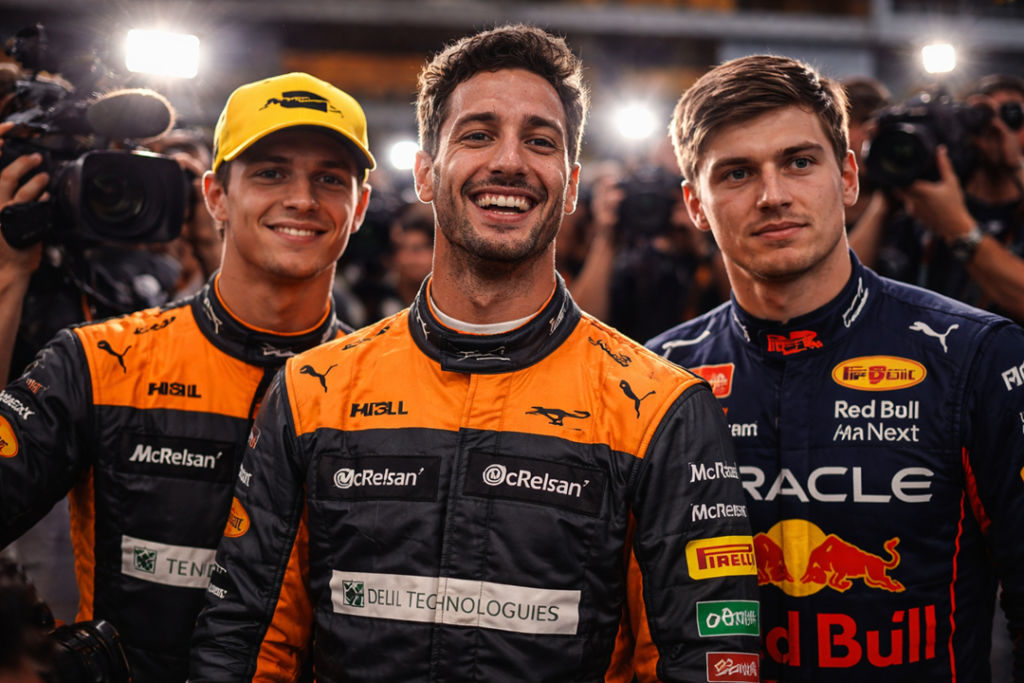
Many Formula 1 competitors now operate in a hybrid identity: elite athlete and entertainment figure. Media appearances, brand partnerships, and social media engagement have increased dramatically since the show’s debut.
A comparison illustrates the transformation.
| Era | Public Recognition Outside Motorsport |
|---|---|
| Pre-2019 | Limited global mainstream visibility |
| Early Drive To Survive | Growing international awareness |
| Current Era | Drivers functioning as global entertainment personalities |
This visibility isn’t accidental. The show frames drivers through cinematic storytelling techniques — confessionals, tension-building edits, and interpersonal conflict — familiar to viewers of competitive reality television.
The format makes motorsport emotionally accessible.
Rivalries Became Narrative Engines
One of the most effective storytelling tools used by Drive to Survive is rivalry framing.
The show frequently emphasizes interpersonal conflict between drivers, team principals, and organizations. These tensions provide narrative stakes that extend beyond race results.
Whether highlighting clashes between Red Bull and Mercedes leadership or spotlighting intra-team competition, the series translates technical competition into dramatic storytelling.
This approach mirrors how many competition-based reality shows operate: conflict becomes the engine that drives audience engagement.
Just like in the reality TV villains in 2026 analysis, where is explored how audiences increasingly gravitate toward bold personalities and strategic antagonists. Drive to Survive taps into the same dynamic, positioning certain drivers as polarizing figures who energize fan discussion.
Social Media Amplified The Effect
The impact of Drive to Survive didn’t remain confined to Netflix episodes. Social media platforms accelerated the show’s influence.
After episodes release, fans dissect scenes across TikTok, Reddit, X, and YouTube. Memorable quotes, tense radio exchanges, and dramatic confrontations circulate as clips, memes, and reaction videos.
The feedback loop is powerful:
- Netflix produces narrative-driven episodes
- Social media amplifies dramatic moments
- Drivers become recognizable personalities
- New fans enter the sport through the show
The ecosystem mirrors the dynamics surrounding major reality TV franchises, where online discussion becomes an extension of the viewing experience.
The American Audience Breakthrough
Perhaps the most measurable outcome of the series is its impact on the U.S. market.
Formula 1 historically struggled to capture sustained American attention. Since the launch of Drive to Survive, however, the sport has experienced unprecedented growth across North America.
The calendar now includes multiple United States races, and American viewership numbers have surged. According to Formula 1 official audience statistics, global interest and U.S. television ratings have grown significantly since the show’s debut.
While several factors contributed to this expansion, the Netflix series is widely credited with introducing millions of new viewers to the sport.
For many fans, the show served as the gateway.
Critics And Drivers Respond To The New Fame
Not everyone within Formula 1 fully embraces the show’s narrative approach.
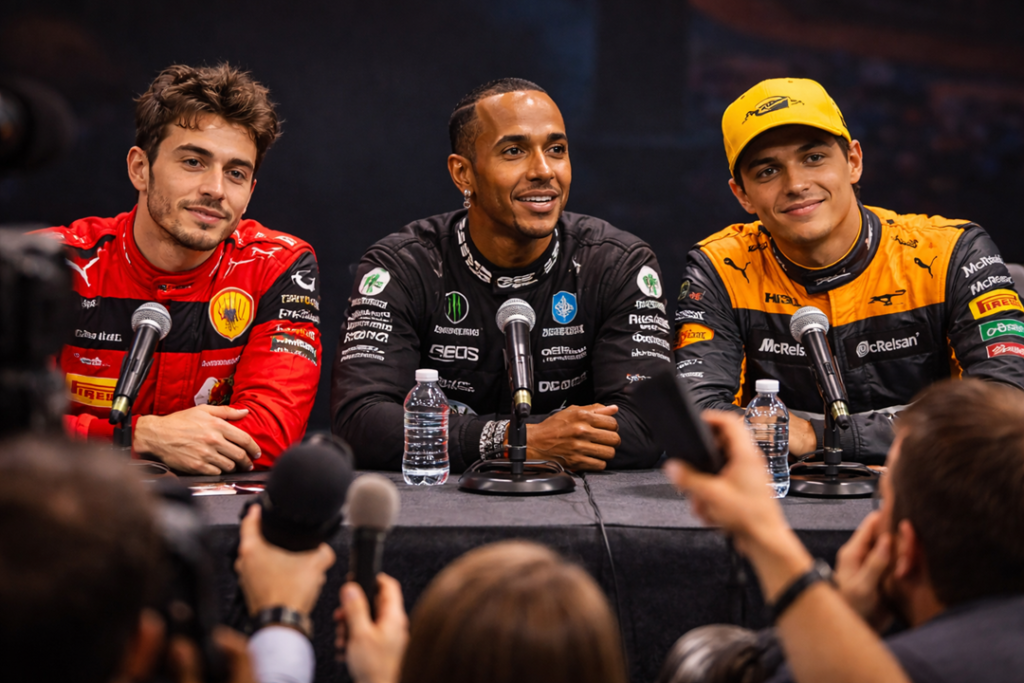
Some drivers have criticized the series for exaggerating rivalries or presenting selective edits that heighten drama. Motorsport purists occasionally argue that the program prioritizes storytelling over technical accuracy.
Yet even critics acknowledge its marketing power.
The sport’s leadership has repeatedly emphasized that Drive to Survive opened Formula 1 to younger audiences who may never have discovered it through traditional broadcasts.
In the streaming era, visibility is currency.
The Future Of Sports As Reality Entertainment
The success of Drive to Survive has inspired similar documentary-style projects across professional sports. Netflix and other platforms have expanded the format into tennis, golf, cycling, and American football.
The formula is clear:
- Access to athletes
- Behind-the-scenes storytelling
- Character-driven narratives
- Season-long dramatic arcs
In other words, sports coverage increasingly resembles reality television.
Drivers remain elite competitors, but audiences now engage with them as protagonists within an ongoing narrative universe.
That storytelling shift may prove just as influential as any race result.
A New Kind Of Global Star
Formula 1 drivers once gained fame primarily through championships and race victories. Today, personality and narrative visibility can elevate drivers into global entertainment figures regardless of standings.
Drive to Survive didn’t invent motorsport drama — it simply translated it into a format modern audiences understand.
By doing so, it turned a technical sport into a character-driven spectacle and transformed drivers into reality television stars on a global stage.
And as streaming platforms continue investing in behind-the-scenes sports storytelling, that transformation is unlikely to slow down.