
The Netflix Effect On A Historic Motorsport
When Formula 1: Drive to Survive premiered on Netflix in 2019, it wasn’t marketed as a revolution. It was presented as a behind-the-scenes documentary — an access-driven look at the personalities and politics inside Formula 1.
Within a few seasons, however, the series began reshaping the sport’s global profile.
New fans arrived in waves, particularly in the United States. Drivers became recognizable personalities beyond the paddock. Rivalries once confined to race weekends suddenly played out as serialized drama across streaming platforms.
The impact is undeniable.
What remains debated is whether Drive to Survive has actually improved Formula 1 — or simply made it more dramatic.
A Gateway For Millions Of New Fans
One of the strongest arguments in favor of the series is its role as an entry point into the sport. Motorsport has historically been complex and intimidating for casual viewers. Race strategy, technical regulations, and team dynamics can be difficult to understand without context.
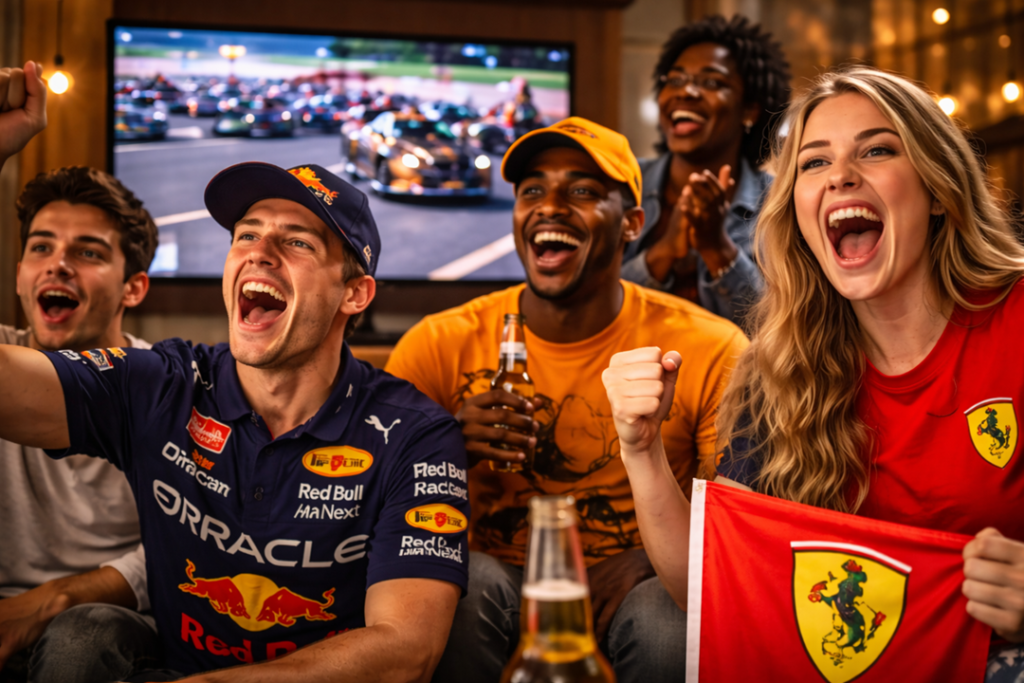
Drive to Survive simplified that barrier.
By focusing on storytelling rather than engineering, the show introduced audiences to Formula 1 through personal narratives: drivers chasing contracts, team principals navigating internal pressure, and rivalries building across entire seasons.
The result was a significant expansion of the sport’s audience.
According to Formula 1 official audience data, global viewership and engagement surged after the show’s launch, particularly among younger fans and American audiences who previously had limited exposure to the sport.
For many viewers, the Netflix series served as the first introduction to Formula 1.
Turning Racing Into Character-Driven Drama
Traditional race broadcasts center on performance — lap times, pit strategy, and track position. Drive to Survive reframed the sport by highlighting personality.
The show elevated drivers, engineers, and team bosses into narrative characters. Episodes are structured like reality television, emphasizing interpersonal conflict, ambition, and emotional stakes.
Key storytelling tools include:
- Confessional-style interviews
- Rivalry-focused editing
- Behind-the-scenes contract negotiations
- Personal life glimpses outside the track
These elements make the sport more accessible. Even viewers unfamiliar with racing mechanics can follow the human drama unfolding across the season.
Drive To Survive F1 analysis explored how this storytelling approach transformed drivers into recognizable entertainment figures.
Critics Say The Drama Is Manufactured
Despite its success, the show has faced criticism from within the paddock.
Several drivers and teams have argued that the series exaggerates rivalries or rearranges timelines to heighten tension. In some cases, competitors who share cordial relationships on track are portrayed as adversaries in the show’s narrative structure.
This criticism reflects a core tension between sports documentation and entertainment storytelling.
Reality-style editing often prioritizes dramatic arcs over strict chronological accuracy. In the context of Formula 1, that can create moments that feel more intense on screen than they do in real life.
For purists, this raises concerns about authenticity.
The Balance Between Accuracy And Entertainment
The debate surrounding Drive to Survive often comes down to competing priorities.
| Perspective | Key Argument |
|---|---|
| Traditional Fans | The show exaggerates conflict and simplifies the sport |
| New Fans | The series makes Formula 1 understandable and exciting |
| Teams And Drivers | Dramatic edits can distort real relationships |
| Broadcasters | The series dramatically expands the audience |
Each perspective highlights a different version of success.
For longtime followers of the sport, authenticity is paramount. For new viewers, accessibility and storytelling are essential.
Netflix’s format attempts to bridge those priorities — not always perfectly, but often effectively.
The Rise Of Formula 1 As Pop Culture
Another major shift sparked by Drive to Survive is Formula 1’s growing presence in pop culture.
Drivers now appear in fashion campaigns, late-night interviews, and viral social media clips. Race weekends generate online discussion that extends far beyond traditional motorsport communities.
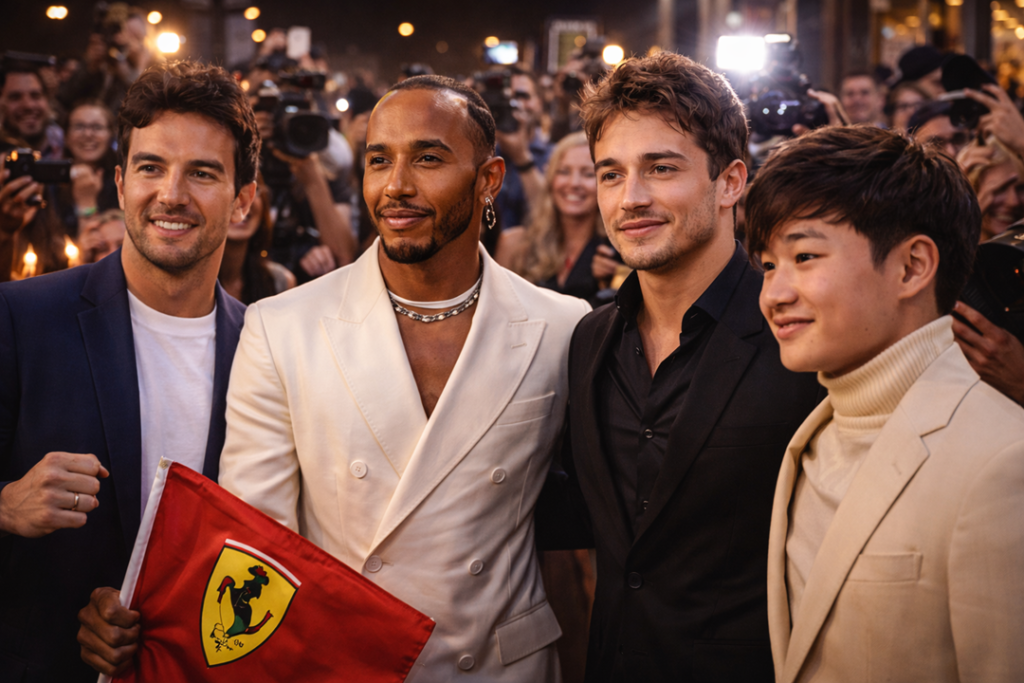
This transformation mirrors what has happened in other sports when storytelling expands beyond competition itself.
Athletes become personalities. Rivalries become narratives. Seasons become serialized entertainment.
In this sense, Drive to Survive didn’t change Formula 1’s competitiveness — it changed how the sport is framed for modern audiences.
The American Market Transformation
Perhaps the clearest indicator of the show’s impact is the surge of interest in the United States.
For decades, Formula 1 struggled to establish a lasting foothold in the American sports landscape. Since the series launched, that trend has shifted dramatically.
The sport now hosts multiple races across the U.S., including events in Austin, Miami, and Las Vegas. Attendance and broadcast ratings have climbed steadily as new fans discover the sport through streaming platforms.
According to analysis published by ESPN’s Formula 1 coverage, the Netflix series has been one of the primary drivers behind this expansion.
The show succeeded where traditional marketing struggled.
Has The Sport Actually Changed?
One interesting question often overlooked in the debate is whether the sport itself has changed at all.
The fundamentals of Formula 1 remain the same:
- Elite drivers competing across global circuits
- Teams developing complex engineering solutions
- Strategy and precision determining race outcomes
What has changed is visibility.
The show didn’t alter how races unfold. It altered how audiences experience the sport between races.
Fans now follow the personalities, tensions, and long-term storylines that surround each Grand Prix.
Drama As A Gateway — Not A Replacement
The strongest case for Drive to Survive may be that it functions as a gateway rather than a substitute for real racing.
Viewers often arrive for the drama but stay for the competition. Once fans understand the personalities and stakes, the races themselves become more compelling.
In that sense, the series operates like a narrative primer — giving audiences emotional context before the lights go out on race day.
And for a global sport seeking to expand its reach in a crowded entertainment landscape, that may be the most valuable contribution of all.