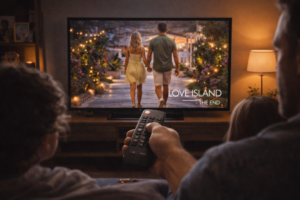
Remember when fame needed talent agents or reality show humiliation? Those were simpler times.
Now, fame is more accessible. Anyone with a smartphone and personality can build an empire from home.
I’ve seen the shift from early YouTube stars to today’s TikTok sensations. The numbers are clear: nearly half of Gen Z likes social media videos more than traditional streaming.
This isn’t just about cat videos anymore. It’s a complete change in how we make and share entertainment.
The old barriers are gone. This has led to a creative explosion that’s both exciting and chaotic.
Reality TV vs Social Media: Blurred Lines
We’ve moved from fake drama to the real thing – but it’s not as real as it seems. Reality TV showed us raw moments, but social media gives us something better. It’s the feeling of real connection right in our hands.
The Real World was groundbreaking back then. Now, we have something even more special. Reality TV was scripted, but social media feels real because it’s lived – or so it seems.
Today’s influencer is like the new reality star. They give us a peek into their lives, but we’re not just watching. We’re also talking back, shaping their stories as we go. It’s like having our own TV show, without any breaks or bosses.
The algorithm feeds us content that’s just for us. No need to search for it. A Deloitte study found 60% of Gen Z loves this because it’s made just for them. It’s like having a personal TV show, all the time.
This change makes us wonder what’s real in entertainment anymore. The difference between digital creators and influencers is getting blurred. Both are experts at creating their own reality.
We’ve come full circle. From reality TV to social media, it’s all about creating a world we want to be in. The modern influencer doesn’t just make content. They build worlds for us to explore, one scroll at a time.
Top Influencers Who Crossed Over
When MrBeast got that $100 million deal, it was a big change. It showed that digital creators are truly famous. They have huge audiences, just like traditional stars.
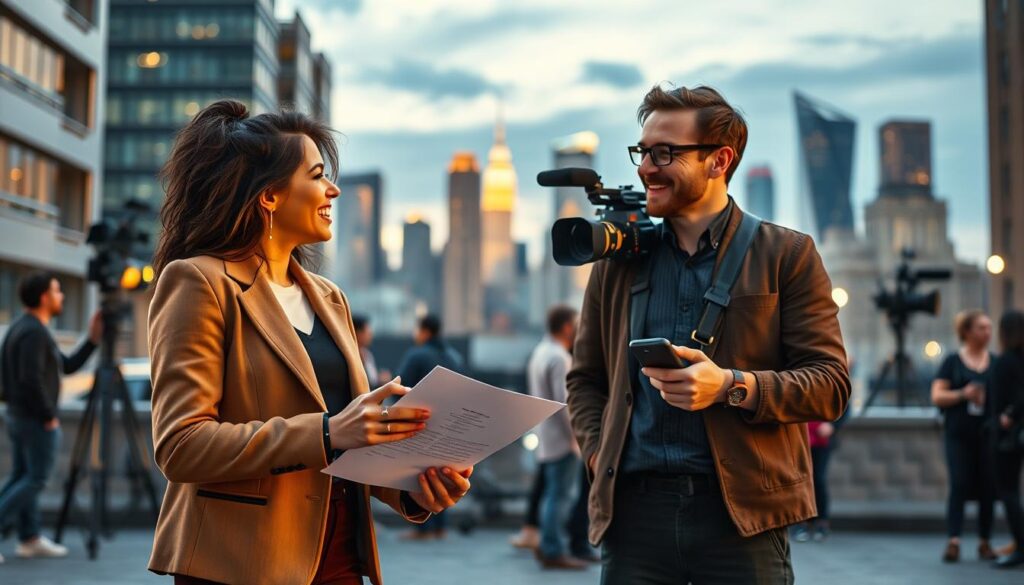
Now, SVOD providers look to YouTube for stars. They choose creators with millions of followers over unknown actors. This smart move is changing Hollywood’s way of doing business.
This crossover is happening in all areas. TikTok dancers are now on Broadway. Instagram chefs are on Food Network. YouTube comedians are in movies. They bring their fans with them.
| Creator | Digital Platform | Followers (Millions) | Traditional Media Project |
|---|---|---|---|
| MrBeast | YouTube | 200+ | $100M streaming deal |
| JoJo Siwa | YouTube | 45+ | Dance Revolution Tour |
| Bretman Rock | Instagram/YouTube | 25+ | MTV reality series |
| Liza Koshy | YouTube/TikTok | 55+ | Netflix films & TV shows |
These creators show something new: fans who follow them everywhere. Their fans watch YouTube, subscribe to services, and go to movies. They do it all because they love their favorite creators.
The difference between “internet famous” and “actually famous” is gone. Companies that ignore this are missing out. The smart choice is to back creators who already have proven success.
How Platforms Shape Fame
Ever wonder why some creators become stars overnight while others don’t? It’s not just about talent. Social media platforms play a big role, shaping who gets noticed.
TikTok is like a fast-paced talent scout, looking for viral hits. It rewards creators who can grab attention in 15 seconds. This is more than just fun; it’s a science that keeps us coming back for more.
YouTube and Instagram are different. YouTube is for long stories, and Instagram is for perfect photos. Each platform shapes its own stars, from dance videos to lifestyle influencers. They don’t just host content; they decide what works.
Social media tools let platforms target users perfectly. They create buzz by showing content that fits what we like. It’s like having a TV that knows what you want to watch before you do.
But this system is unstable. Creators can build huge followings, only to lose them when platforms change. One update can ruin years of work in an instant.
Platforms control what we see and hear. They don’t just follow trends; they shape them. They’re not just tech companies; they’re cultural leaders with huge power.
Deloitte research shows platforms invest a lot in making content addictive. But this content is not neutral. Every “For You” page is a carefully made reality to keep us engaged.
For creators, success means knowing each platform’s rules. TikTok loves spontaneity, YouTube values depth, and Instagram cares about looks. To be famous, you must play by each platform’s rules.
This system offers great chances and risks. Platforms can give you fame and take it away without warning. The rules of digital fame are strict, making the old entertainment world seem easy by comparison.
Production, Monetization, and Brand Collabs
Welcome to the new world of influence, where your phone is your studio and fans are your investors. The game of fame has changed, and the Insta stars are leading the way.
Do you remember when artists needed record labels? Actors needed studio deals? That system is now outdated. Today, top creators are like mini-media empires. They make content, close deals, and create income streams that impress even big business leaders.

Here’s a fact: 56% of Gen Z gamers trust game publishers more when their favorite creator endorses them. This trust is something traditional ads can’t buy, no matter how many Super Bowl ads they run.
The smartest Insta stars are doing more than just taking sponsorships. They’re becoming partners, product developers, and creative directors. They’ve changed the game from “pay me for my audience” to “pay me for my ideas.”
Brands are catching on too. They’re not just looking for views; they want authenticity. They’re investing in creators’ vision and credibility. It’s like the difference between renting a billboard and owning the whole block.
The ways to make money have grown:
- Sponsored content that feels real
- Affiliate marketing that’s useful
- Products that people actually want
- Subscription services that people pay for
This is a world where creators are in charge. The barriers are down, and the park is open for business. And it’s never been better for business.
Impact on Celebrity Culture
The velvet rope that once separated stars from fans has disappeared. We’re in the midst of a huge change in celebrity culture, one that’s as big as when TV first brought fame to the masses.
Old-school fame was all about keeping a distance and being mysterious. Think of Garbo’s famous “I want to be alone” line. Now, fame is all about being close and relatable, like the “influencer next door” trend. The way famous people connect with their fans has changed completely.
The democratization of influence means more voices can be heard, even if they wouldn’t have been noticed before. Now, anyone can share their knowledge, not just those with fancy degrees or connections. Your TikTok dermatologist might give better advice than the celebrity doctor on TV.
Social media lets fans and entertainers connect directly, skipping traditional media. Why read a magazine when you can see your favorite creator making coffee at home? This realness is what I call the “para-social intimacy economy.”
Audiences don’t just watch – they want to join in, comment, and feel part of the action. They form real connections with people they’ve never met, creating communities that know no borders.
Social media acts as a bridge between people and brands, building communities of interest. Deloitte’s data shows this shift isn’t just about how we watch TV anymore. It’s changing how we connect, build communities, and see ourselves in the digital world.
The glamorous, untouchable star has given way to the relatable content creator. We’ve traded mystery for closeness, and most people like it better. The debate isn’t about whether it’s good or bad – it’s just the new face of fame.
Industry Forecasts
Where will the digital revolution take us next? If I had a crystal ball, I’d say we’ll see more blending of old and new media. Soon, it won’t be clear who’s a social media star and who’s a famous person.
Deloitte’s research points to streaming services learning from social media’s success. I believe the whole entertainment world needs to follow the creator economy’s lead. Think about using micro-influencers and interactive stories instead of big marketing pushes.
Platforms will change, introducing AR/VR and live streaming. But the big change is here to stay: more people will be part of the show. The real question is if traditional media can keep up with the changes they helped start.
Interactive content and micro-influencers are the future. The algorithms want us to engage, not just watch. Traditional media needs to learn this fast, before the next big change comes.