We’ve all gotten sucked into reality TV shows. Shows like Love Island and The Bachelor make normal people famous overnight. We watch from our couches, munching on popcorn.
But what happens when the cameras stop? Reality TV isn’t just fun – it’s a real social experiment. It affects people’s mental health. Accountants become influencers with millions of followers overnight. It’s a huge identity crisis.
The change from ordinary to famous happens fast. Contestants become stars before they can even process it. Viewers start to feel a connection with them, making reality and TV blur together.
As recent studies show, the effects last long after the show ends. Both stars and viewers face lasting impacts that need to be looked at closely.
This dive into reality TV’s impact shows it’s more important than we think. It’s time to see past the drama. We need to understand how these shows affect our mental health and society.
Effects on Contestants (Stress, Instant Fame, Backlash)
Ever wonder what happens after the cameras stop and the rose ceremonies end? Contestants face a huge shock. One day, they’re just working, the next, they’re getting death threats for choosing the wrong person.
Going from unknown to famous overnight is like being launched into a shark tank. They deal with online bullying, public criticism, and harassment. This isn’t just about ratings; it’s real harm to people.
Kaylor Martin once said, “I was happier with my simple life than this.” That’s what contestants trade for fame: their privacy and mental health. The social media backlash is like a never-ending hangover.
BIPOC contestants face even more abuse, mixed with racial attacks. These attacks are not just criticism but often racist, lasting long after the show ends.
Contestants live with constant anxiety, always performing for an audience. They’re trapped in their own reality show, with every action analyzed by millions.
Three harsh realities contestants face:
- Digital PTSD: Constantly checking social media
- Identity whiplash: Struggling to be themselves after the show
- Career paradox: Fame opens doors but also closes others
Viewers demand authenticity but punish contestants for being real. It’s like watching gladiators, but the “lions” are Twitter trolls and the “swords” are keyboard attacks.
Mental health issues after the show are real, but the industry hides them. The same people who watch these shows often bully contestants online.
This isn’t just entertainment; it’s psychological testing without consent. The emotional damage shows up in quiet moments, when contestants see their fame might ruin their peace forever.
Effects on Viewers (Behavior, Body Image, Social Trends)
Ever yell at the screen like reality stars can hear you? That’s the magic of modern TV. We’re not just watching; we’re part of a psychological experiment. The media effects of reality TV create bonds where we feel connected to contestants. We celebrate their wins and feel sad when they lose, as if they’re our friends.
Studies show this creates a unique mix of feelings. We know these shows are fake, yet we feel the drama. We see ourselves in contestants, feeling our own fears about relationships and being accepted.
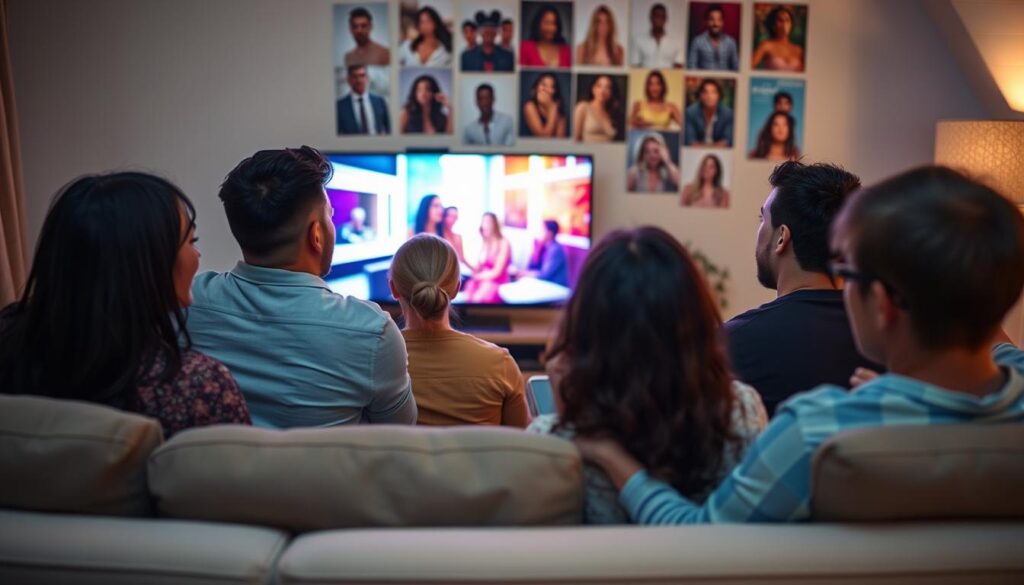
The impact on body image is serious. Seeing perfect contestants makes us feel bad about ourselves. It’s like comparing our cooking to a Michelin-starred meal – we always come up short.
Social trends change fast because of reality TV. Remember when “mamacita” became popular after Love Island? Or when friends started talking about relationships like The Bachelor? These shows shape our culture, not just reflect it.
Our TV habits change how we act:
| Viewer Behavior | Psychological Impact | Social Consequence |
|---|---|---|
| Parasocial engagement | Blurred reality boundaries | Unrealistic relationship expectations |
| Body comparison | Increased self-criticism | Rise in cosmetic procedures |
| Social mimicry | Adoption of TV dialogue patterns | Cultural vocabulary shifts |
| Reality testing | Confusion between scripted and authentic | Relationship dissatisfaction |
We know we’re being tricked, yet we keep watching. It’s like eating junk food – we know it’s bad, but we can’t stop. The media effects make us judge our lives against fake perfection, then watch next week to see others’ failures.
Maybe the real show is watching ourselves watch reality TV. That would be some meta TV worth watching.
Expert Opinions (Psychologists, Sociologists)
While we’re all arguing over who should’ve won the rose, real experts are studying reality TV’s effects. They look at it like a crime scene, finding the mental health impacts are complex. These effects are more than what any editor can show.
Therapists Olivia Verhulst and Sadi Fox work with former contestants. Verhulst says everyone’s experience is different. This means some people might not be affected much, while others need a lot of therapy.
Fox shares a harsh truth: reality TV is risky for those with eating disorders, trauma, or mental health issues. It’s like adding fuel to fires while people watch for fun.
Shmuel Fischler offers a deep analysis, like Freud studying dreams. He compares reality TV to treating social anxiety, but without consent or ethics.
Think about it: contestants face extreme social situations while millions watch. For some, it’s helpful. For others, it’s like psychological torture on TV.
| Expert | Specialization | Key Insight | Risk Level Identified |
|---|---|---|---|
| Olivia Verhulst | Contestant Therapy | Individual impacts vary dramatically | Moderate to Severe |
| Sadi Fox | Trauma Recovery | Triggers existing mental health conditions | High |
| Shmuel Fischler | Clinical Psychology | Comparable to uncontrolled exposure therapy | Variable |
These experts aren’t just watching TV; they’re studying psychological warfare. Reality TV shows our mental health and shapes it. Therapists clean up the damage for ratings.
The real question isn’t about finding love on TV. It’s about the mental health cost of fame. Is it worth the therapy bills for life?
Notable Cases
Sometimes, the most compelling drama on reality TV happens when the cameras stop. The impact goes beyond just entertainment. It shows us a harsh truth about fame.
Britain’s Love Island is a sad example. Three former contestants took their own lives after being on the show. They were real people dealing with the harsh side of fame.
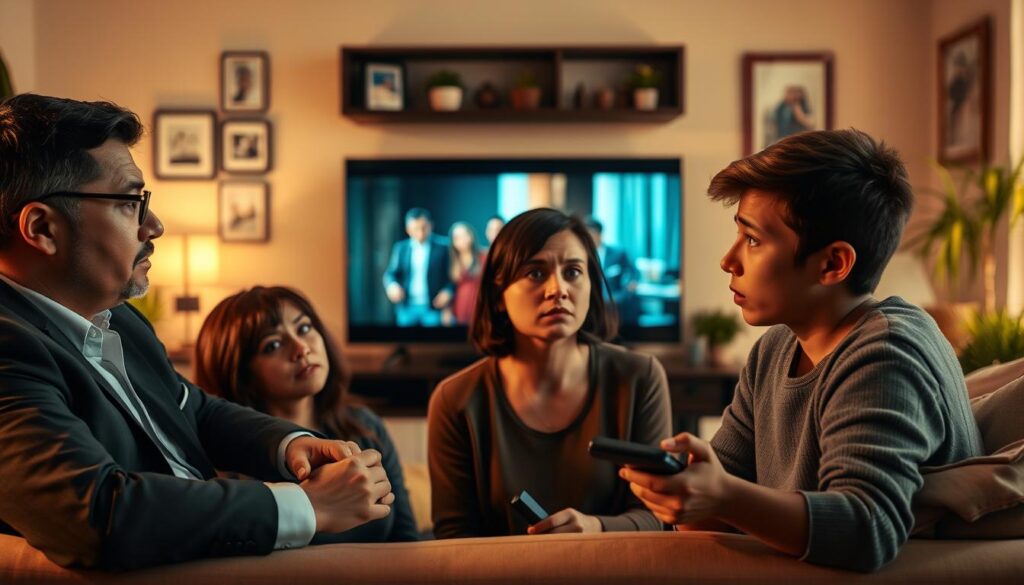
In the US, Love Island USA Season 6 showed the dark side of fame. The “Beyond the Villa” episodes were like documentaries on fame’s dark side.
Aaron Evans, seen as the season’s villain, faced harsh social media backlash. Kaylor Martin talked about her distress from sudden fame. Kenny Rodriguez wished to go back to his old job, showing reality TV’s short-lived benefits.
Liv Walker said talking after the show felt like talking to a brick wall. It shows the isolation from normal life due to social media.
These stories show a harsh truth: we’re not just watching TV. We’re part of a social experiment where human costs are part of the story. Our reactions shape contestants’ mental health.
It’s like modern mythology, with Icarus flying too close to the sun. But instead of wings, it’s mental stability, and the sun is follower count. The fallout becomes the show’s unseen sequel.
We’re forced to ask: when does entertainment become exploitation? The impact goes beyond ratings, affecting real lives. We’re all part of this high-stakes drama.
Preventative Measures
If you’re thinking about being on reality TV, here’s how to stay safe. Reality TV shows can have serious media effects on your mind. It’s like walking through a minefield, but you can learn to navigate it.
Before you sign up, ask yourself some hard questions. Does the show really match your values, or are you after fame? Can you handle being filmed all day, every day? These questions are your first defense against the media effects that can harm many.
Legal advice might not be exciting, but it’s better than dealing with mental health issues. Always have a lawyer check any contracts or NDAs before you sign. These documents are made to protect the show, not your mental health. The fine print can be scary.
Having a strong support system is key. Find people you trust, like friends, family, or professionals who get reality TV. They can help when the media effects get too much. They’ll tell you when you’re being edited unfairly and when to take a break from social media.
Using cognitive behavioral strategies can help with anxiety from reality TV. When you start worrying about how you’re seen, challenge those thoughts. Don’t let fear of criticism control you. That only makes things worse.
Reality TV makes money off your emotions. The goal of these tips isn’t to avoid drama. It’s to keep your mind safe. The real win in reality TV isn’t the money or fame. It’s keeping your sense of self.
These tips help you build a shield against the worst media effects. They turn you from a possible victim into a smart player who knows the game better than the producers.
Future Outlook
Reality TV is at a turning point, blending entertainment with mental health care. ITV’s new 14-month support rules are a big step forward. They show the industry is taking mental health seriously.
Now, shows do psychological checks and follow care rules. This change shows it’s not just about ratings anymore. It’s about doing the right thing.
There’s a big shift happening. Mental health is now a key part of making shows. This change is important, not just for ratings.
Future stars might see shows as career steps, not just a chance for fame. This could change how we see reality TV’s effects on people.
The mirror of reality TV shows us our mental health. As shows change and more platforms appear, we must think. Will we watch with care or get caught up in our own social tests?