
The rise of influencer-led programming has created a new pipeline into mainstream entertainment, and the Alix Earle effect is quickly becoming the clearest example of that shift. Once confined to TikTok and Instagram, influencers are now transitioning into full-scale reality TV stars—bringing their built-in audiences with them.
This transformation reflects a deeper industry evolution. Traditional casting models are being replaced by audience-first talent selection, where reach, engagement, and relatability matter as much as on-screen presence. Influencers don’t need to “break through”—they arrive with millions of followers already invested in their lives.
For platforms like Netflix, this isn’t just a casting trend. It’s a strategic shortcut to relevance in a crowded content ecosystem.
Why Influencers Are So Valuable To Reality TV
The appeal of influencers in reality TV comes down to one key advantage: pre-existing connection with audiences. Unlike traditional contestants, influencers bring a level of familiarity that accelerates viewer engagement from day one.

This changes how shows perform across multiple layers:
| Factor | Influencer Advantage |
|---|---|
| Audience reach | Built-in fanbase drives immediate viewership |
| Social amplification | Content spreads organically across platforms |
| Brand alignment | Easier integration with sponsorships |
| Narrative continuity | Fans already know the “character” |
In effect, influencers reduce the risk associated with launching new shows. They act as both talent and distribution channels, blurring the line between marketing and storytelling.
The Alix Earle Model: Personality As Content
Alix Earle represents a new kind of reality TV star—one whose appeal is rooted not in competition or conflict, but in authentic, ongoing personal storytelling. Her transition into unscripted television highlights how platforms are adapting to audience preferences shaped by social media.
According to coverage from Netflix Tudum on her upcoming series, the focus isn’t just on structured episodes but on extending her digital persona into a more immersive format.
This model flips traditional reality TV on its head:
- The “story” already exists before the show begins
- The audience is emotionally invested from the start
- Episodes feel like extensions of an ongoing narrative
Instead of building characters, producers are now amplifying personalities that audiences already trust and follow.
Creator Culture Is Reshaping Casting Decisions
The success of influencer-driven shows is forcing casting departments to rethink what makes someone “camera-ready.” It’s no longer just about charisma—it’s about digital influence, engagement metrics, and community-building ability.
This shift is creating a hybrid talent pool where:
- Influencers become reality TV leads
- Reality stars evolve into content creators
- Platforms prioritize cross-platform visibility
As explored in our breakdown of global reality formats expanding across markets, the industry is increasingly focused on scalability—and influencers offer a ready-made solution.
They bring not just an audience, but a content ecosystem that extends beyond the show itself.
The Economics Of Influencer-Led Reality TV
From a business standpoint, the Alix Earle effect is highly efficient. Influencer-led shows often deliver strong returns with lower marketing costs because promotion is built into the talent.
Key advantages include:
- Reduced need for traditional advertising campaigns
- Higher engagement across social platforms
- Increased brand partnership opportunities
- Faster audience growth for new series
This makes influencer-driven content particularly attractive for streaming platforms looking to maximize ROI while maintaining cultural relevance.
The Risk: Authenticity Vs Overproduction
While influencers bring authenticity, translating that into a structured reality format isn’t always seamless. One of the biggest challenges is maintaining the organic feel that made these personalities popular in the first place.
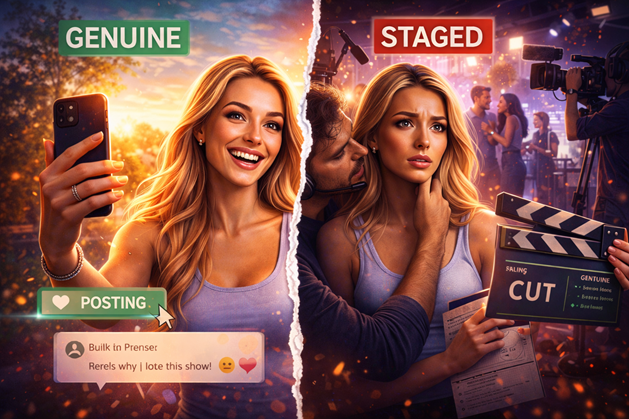
Risks include:
- Overproducing content that feels inauthentic
- Losing the spontaneity of social media storytelling
- Audience backlash if the persona feels “manufactured”
- Difficulty sustaining long-term narrative arcs
The success of influencer-led reality TV depends on striking the right balance between structure and spontaneity.
Social Media As The Core Of The Experience
Unlike traditional reality TV, influencer-driven shows don’t exist in isolation. They are part of a continuous content loop, where episodes, posts, and audience interactions feed into one another.
This creates a layered viewing experience:
- Episodes provide narrative depth
- Social media offers real-time updates
- Fans engage directly with the talent
- The story evolves beyond the screen
This dynamic reinforces the idea that reality TV is no longer just a format—it’s a multi-platform experience shaped by audience participation.
What The Alix Earle Effect Means For The Future
The rise of influencers as reality TV stars signals a fundamental shift in how entertainment is created and consumed. Platforms are no longer just producing shows—they are building personality-driven ecosystems that span multiple channels.
Looking ahead, we can expect:
- More influencer-led reality formats
- Deeper integration between social media and streaming
- Hybrid content blending vlogs and traditional episodes
- Increased competition for digital-first talent
The Alix Earle effect isn’t just a moment—it’s a preview of where the industry is heading.
Reality TV is evolving from casting unknown personalities to elevating existing ones, reshaping the definition of stardom in the process.