
Let’s be honest – we’ve all watched some trainwreck reality show and thought, “I could do that.” But could you actually survive the transformation from anonymous civilian to cultural icon?
I’ve spent more hours than I’d care to admit analyzing how reality television has become the modern-day version of alchemy. It turns ordinary people into gold-plated celebrities almost overnight.
From The Real World’s groundbreaking 1992 debut to the Kardashian industrial complex, we’re witnessing a fundamental rewriting of how fame operates. It’s not about talent anymore – it’s about being willing to expose your messy relationships and questionable life choices for public consumption.
The journey from obscurity to icon status has become America’s favorite spectator sport. I’m here to break down exactly how this cultural machinery works.
How Reality TV Finds & Sculpts Its Stars
Ever wonder how reality TV finds its stars? They don’t search on LinkedIn. Instead, they use a mix of anthropology and psychology.
They look for people who will entertain. They want drama and excitement. So, if you’re well-adjusted, you might not fit the bill.
MTV’s The Real World started this trend years ago. Now, shows like Survivor and The Bachelor create their own characters. They turn strangers into stars.
The editing room is where magic happens. Producers can make anyone seem:
- Villains everyone loves to hate
- Heroic figures audiences root for
- Meme-worthy personalities that dominate social media
It’s like creating a monster, but with better lighting. A few cuts and some music, and you have a star.
This process leads to fast celebrity growth. People become famous overnight. Their rise to fame is carefully planned.
Reality TV fascinates us because it shows real human behavior. We can’t help but watch the drama and triumphs. It uses our psychological triggers against us.
Famous Trajectories: Before & After TV
Let’s look at the most amazing changes in celebrity culture. These stories are not just about fame. They show how people can change their lives on a big scale.
Kim Kardashian’s journey is a prime example. Before Keeping Up With The Kardashians, she was Paris Hilton’s stylist. Now, she has a billion-dollar business empire. It includes shapewear, beauty products, and mobile games. She’s also studying law and fighting for justice.
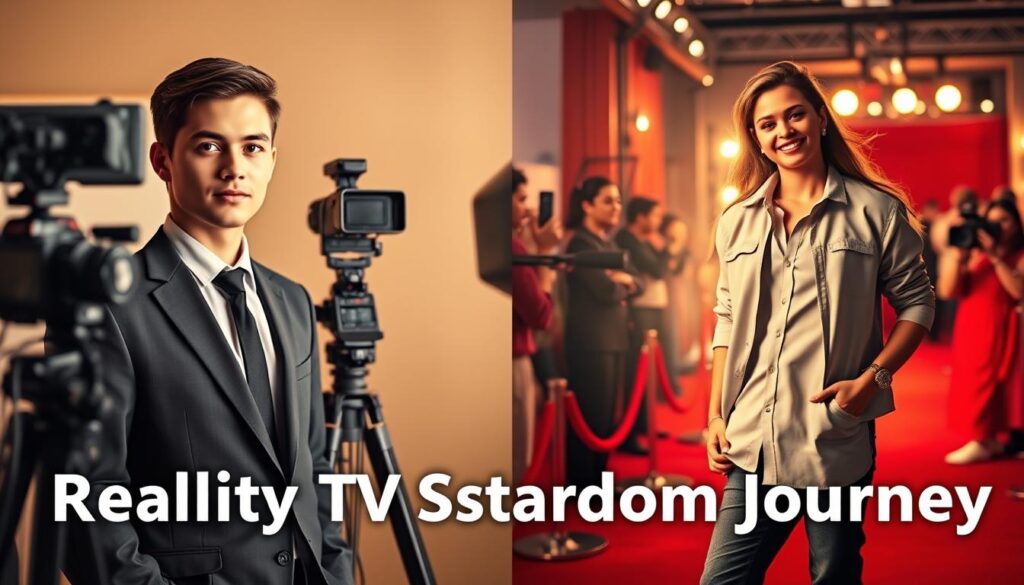
Nene Leakes’ story is also compelling. She became a star on Real Housewives and more. Her moments and phrases became famous, leading to roles on Broadway and TV.
Justin Bieber’s rise from YouTube to stardom is another great example. Reality TV has become like Hollywood’s old studio system. But now, stars control their own stories.
These stories show a big change in celebrity making. The personal brand is the product, and reality TV is the factory. Stars who succeed know fame is just the start. The real work is after the cameras stop.
| Celebrity | Before Reality TV | After Reality TV | Business Empire Value |
|---|---|---|---|
| Kim Kardashian | Celebrity stylist | SKIMS, KKW Beauty | $1.2 billion |
| Nene Leakes | Atlanta resident | Acting career, endorsements | $14 million |
| Bethenny Frankel | Entrepreneur | Skinnygirl empire | $100 million |
| Lisa Vanderpump | Restaurant owner | Vanderpump Rules empire | $90 million |
What’s interesting about these stories isn’t just the money or fame. It’s the complete change of identity. These people turned themselves into brands and cultural icons. They saw their personal stories as their most valuable asset in the digital world.
The before-and-after stories show a truth about today’s celebrities. The camera doesn’t just show reality; it creates new ones. The most successful reality stars are not just participants. They are the architects of their own futures.
Social Media’s Role in Celebrity Growth
Reality TV sparks the fire, but social media fuels the rocket to fame. A viral TikTok dance can boost a career more than TV. The digital world has changed how we see fame.
Instagram turned into a digital store for reality stars. They share perfect lives through sponsored posts. The algorithm decides who sees what, making brand deals key.
Twitter lets celebrities share their true thoughts. It connects fans directly with stars. Now, fans get replies from their idols at any time.
YouTube created a new world of fame. People filming in bedrooms can be more famous than Hollywood stars. It shows anyone can become an influencer without TV approval.
Today, fame never stops. Stars must always be online. They have to keep up with many digital personas.
| Platform | Primary Function | Impact on Celebrity | Key Metric |
|---|---|---|---|
| Visual storytelling | Curated brand building | Engagement rate | |
| Real-time communication | Authentic connection | Retweet ratio | |
| YouTube | Content creation | Independent fame building | Watch time |
| TikTok | Viral content | Instant breakout | Share velocity |
Being famous online is tough. Stars are always in the spotlight. But it also helps new stars shine.
The fame machine keeps going. New ways to become famous emerge. Social media has changed what fame means.
Comparing Past vs Present
Remember when fame needed more than just being yourself? Those times were simpler. The way we create celebrities has changed a lot, like Henry Ford’s car factory.
Hollywood’s golden age was like a factory. Studios made stars with new names, fake stories, and managed images. Talent got you in, but the real product was the myth around you.
Now, reality TV fame works differently. It’s about being real, having conflicts, and being relatable. The production quality is lower, but being authentic is more important.
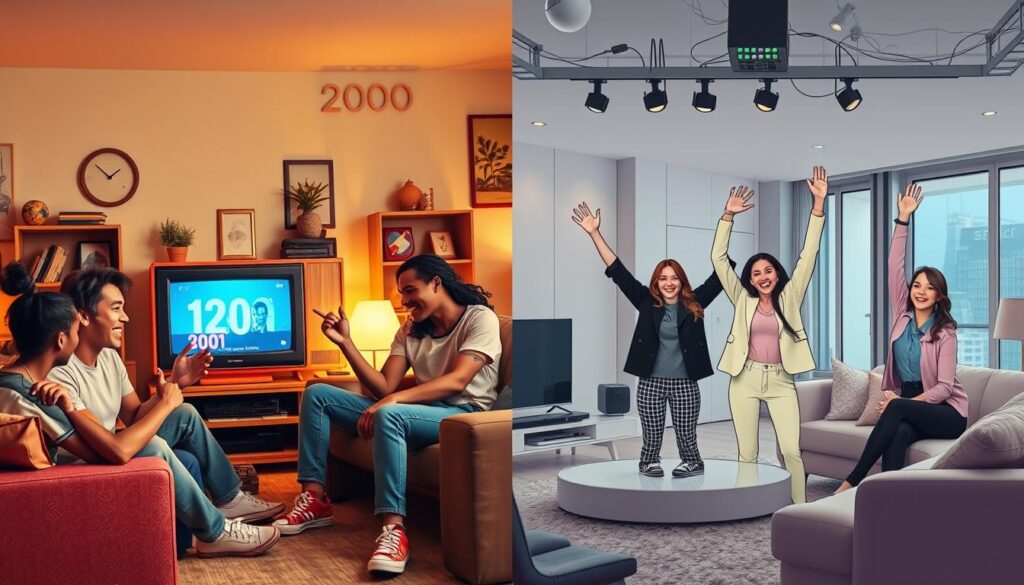
Success is measured in new ways now. Studio bosses used to look at box office numbers and magazine covers. Today, it’s about Instagram followers and TikTok views. We’ve moved from financial reports to digital analytics.
How we watch celebrities has changed a lot. We used to admire screen idols. Now, we connect with real, flawed people. The magic of old Hollywood is gone, replaced by digital sharing.
Let’s look at some key differences:
- Talent vs Personality: Singing versus arguing on camera
- Mystique vs Accessibility: Managed images versus constant online presence
- Studio Control vs Self-Branding: Corporate image versus personal brand
One big change is how long fame lasts. Old Hollywood stars had long careers. Today, reality TV fame is very short, lasting just seconds.
We haven’t stopped making celebrities. We’ve just changed who does it. The question is, do we like the old glamour or the new realness better?
This change in reality TV fame shows bigger cultural shifts. We value being relatable over being perfect. We want realness over myths. Whether this is good or just different is a big debate in entertainment.
Key Industry Quotes
Let’s cut through the noise and hear from the experts who’ve been studying this celebrity machine. Their insights reveal the fascinating mechanics behind modern fame.
Richard Schickel nailed it decades ago in “Intimate Strangers” when he described our celebrity system as manufacturing “the illusion of intimacy.” That phrase hits differently in the age of Instagram Stories and TikTok livestreams, doesn’t it?
Academic research from the University of Minnesota reveals how reality television created what they call “microcelebrity” – where everyone can be famous to fifteen people. It’s like being the mayor of your own tiny fame town.
Industry insiders (who always prefer to remain anonymous) confess they’re not hunting for talent anymore. They want “compelling personalities” – people who generate content and controversy with equal enthusiasm. It’s less about singing ability and more about shareability.
Oliver Dreissens made the critical observation that celebrity prominence directly correlates with media platform availability. The more channels we create, the more celebrities we need to fill them. It’s a self-perpetuating system that constantly demands fresh faces.
This academic analysis of tabloids and reality perfectly captures how ordinary people become extraordinary celebrities through mediated intimacy. The research shows how these platforms transformed celebrity growth from something exceptional into something almost routine.
What does this mean for our culture? We’ve built a fame factory that runs on audience engagement, not traditional talent. The metrics have changed, but our fascination with celebrity remains curiously constant.
Conclusion
Reality TV has changed how we see fame. It turns regular people into stars. This has made us more than just viewers; we’re part of the show.
Now, being real and open is key to fame. Shows like American Idol and The Bachelor show us how it works. They make unknown people famous fast.
This trend isn’t stopping. With more digital platforms, fame will keep changing. The question is, what new kinds of fame will we see?
Our love for reality TV is a big cultural test. It shows how anyone can become famous. This journey is messy but very interesting to watch.