
The rise of Age of Attraction marks a clear turning point in how dating shows are being conceptualized. For years, the genre relied on a familiar formula—young contestants, tropical settings, and predictable relationship arcs. But as audience fatigue sets in, platforms are pushing toward more experimental, unconventional formats that challenge traditional norms.
Age of Attraction, which explores relationships across significant age gaps, reflects this evolution. Rather than simply focusing on compatibility or romance, the show introduces social tension, generational perspectives, and cultural debate into its core structure.
This isn’t just innovation for the sake of novelty—it’s a strategic response to changing viewer expectations.
Why Traditional Dating Shows Are Losing Momentum
The success of early streaming hits like Love Is Blind and Too Hot To Handle helped redefine the genre, but repetition has begun to dilute their impact. Viewers now recognize the patterns: staged conflicts, predictable eliminations, and manufactured drama.

This has created a need for differentiation.
| Traditional Format Traits | Emerging Format Shifts |
|---|---|
| Youth-focused casting | Diverse age and life stages |
| Predictable arcs | Unscripted, open-ended narratives |
| Surface-level conflict | Social and cultural complexity |
| Romantic focus only | Broader emotional and psychological themes |
Shows like Age of Attraction are responding by introducing variables that disrupt expectations, making the viewing experience less formulaic and more thought-provoking.
What Makes Age Of Attraction Different
At its core, Age of Attraction reframes dating reality TV as a social experiment rather than pure entertainment. By focusing on age-gap relationships, the show taps into real-world conversations about compatibility, maturity, and societal judgment.
This approach creates multiple layers of engagement:
- Emotional: exploring genuine connections across life stages
- Cultural: challenging norms around age and relationships
- Psychological: examining motivations and personal growth
According to coverage from Marie Claire on the show’s development and reception, audiences are increasingly drawn to formats that spark conversation rather than simply deliver escapism.
This shift positions dating shows as discussion-driven content, capable of generating both entertainment and debate.
Streaming Platforms Are Driving Innovation
Platforms like Netflix are at the forefront of this transformation. Unlike traditional networks, they are not bound by rigid programming structures, allowing them to experiment with niche concepts and unconventional storytelling formats.
This flexibility enables:
- Faster testing of new ideas
- Global audience feedback through data analytics
- Adaptation of formats across different markets
- Integration of social themes into entertainment
As explored in our analysis of global reality formats reshaping streaming strategies, platforms are increasingly prioritizing content that can stand out in a saturated market.
Innovation is no longer optional—it’s essential for survival.
The Role Of Controversy In Driving Engagement
Experimental formats often come with built-in controversy, and Age of Attraction is no exception. Age-gap relationships can provoke strong reactions, making the show inherently polarizing.

This dynamic can be both a strength and a risk:
- It generates immediate attention and conversation
- It encourages social media debate and viral moments
- It raises ethical questions about representation and intent
Controversy, when managed carefully, becomes a tool for amplifying visibility and engagement.
However, platforms must balance this with responsibility to avoid crossing into exploitation or insensitivity.
A Shift Toward Socially Driven Storytelling
What distinguishes newer dating formats is their willingness to engage with real-world issues. Instead of isolating romance from context, shows like Age of Attraction embed relationships within broader societal frameworks.
This reflects a larger trend in reality TV:
- Blending entertainment with social commentary
- Prioritizing authenticity over spectacle
- Encouraging audience reflection rather than passive viewing
This evolution aligns with the growing demand for content that feels relevant, meaningful, and culturally aware.
The Risk Of Over-Experimentation
While innovation is necessary, there is also a risk of pushing formats too far. Not every experimental concept resonates with audiences, and some may struggle to maintain long-term engagement.
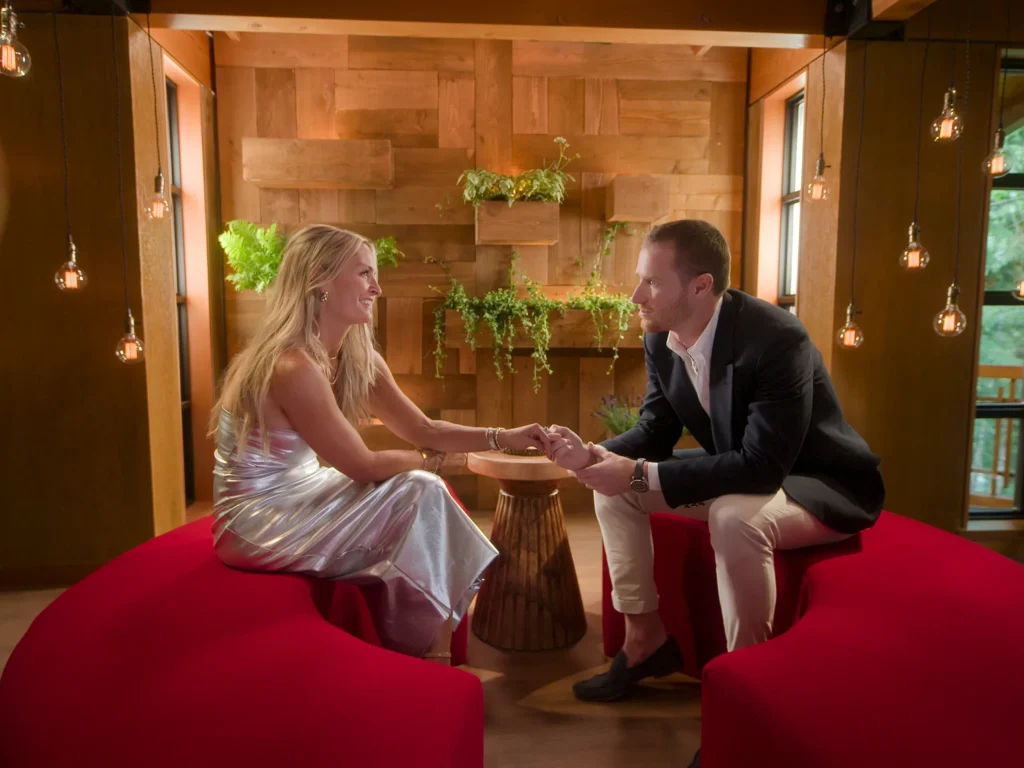
Challenges include:
- Balancing novelty with emotional connection
- Avoiding gimmicks that overshadow storytelling
- Ensuring authenticity within unconventional formats
- Sustaining interest beyond initial curiosity
The success of shows like Age of Attraction will depend on their ability to translate bold concepts into compelling narratives.
What This Means For The Future Of Dating Shows
The emergence of experimental formats signals a broader transformation in the genre. Dating shows are evolving from predictable entertainment into dynamic, conversation-driven experiences.
Looking ahead, we can expect:
- More unconventional relationship dynamics explored on screen
- Greater diversity in casting and storytelling
- Increased blending of genres (dating, social experiment, documentary)
- Continued emphasis on authenticity and relevance
Ultimately, the future of dating reality TV will be defined by its ability to adapt, challenge norms, and stay culturally connected.
Age of Attraction isn’t just another show—it’s a sign that the genre is entering a new, more experimental phase.