
Love Island: Beyond the Villa returned in April 2026 on Peacock, extending the narrative of the UK-based dating franchise into a post-show reality universe. Cast members like Nic Vansteenberghe, Olandria Carthen, and Huda Mustafa were notable absences, highlighting how participants are increasingly pursuing opportunities outside the show, including modeling, music, and influencer work. This continuation illustrates the broader phenomenon of reality TV fame evolving into lasting career opportunities.
The show’s format bridges traditional reunion specials with serialized digital content, creating a hybrid experience that keeps fans engaged long after the villa closes.
How Reality Fame Extends Beyond Broadcast
Love Island has always generated significant online engagement, but the “Beyond the Villa” model leverages social media, podcasts, and streaming platforms to maintain audience investment. Contestants’ personal brands now operate alongside the show itself, making the post-show period critical for both viewer retention and influencer-driven revenue streams.
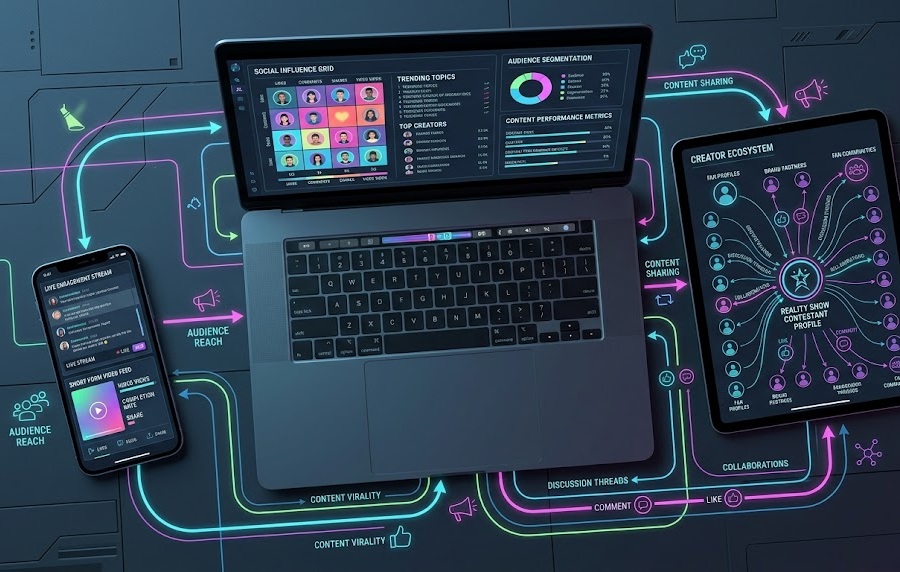
This phenomenon aligns with trends identified in our breakdown of reality TV stars turning fame into long-term careers, where social media presence and audience interaction are as important as on-screen exposure.
Casting Choices And Absentee Impact
The absence of key personalities like Nic Vansteenberghe, Olandria Carthen, and Huda Mustafa sparked fan discussion, illustrating how casting decisions can shift narrative focus and audience engagement. Their off-screen pursuits—ranging from music releases to brand partnerships—underscore the reality that contestants’ fame often extends well beyond televised storylines.
These gaps also allow producers to spotlight other personalities, creating new dynamics and broadening the audience’s view of the villa alumni ecosystem.
The Influence Of Social Media On Viewer Engagement
Social media platforms act as both amplifiers and gatekeepers for reality fame. Clips, highlights, and commentary circulate immediately, keeping Love Island in the cultural conversation even when the main episodes have concluded. Viewer engagement metrics suggest that:
- Instagram and TikTok content drives post-show fan interaction
- Podcasts and interviews create deeper narrative immersion
- Highlights of contestants’ personal projects fuel continued brand growth
This digital ecosystem ensures that the show’s impact persists, emphasizing the importance of cross-platform strategy in modern reality programming.
Streaming Platforms And The Reality Ecosystem
Peacock’s investment in Beyond the Villa demonstrates how streaming platforms are leveraging reality franchises to retain subscribers and expand content universes. By integrating reunion-style content, social recaps, and exclusive behind-the-scenes moments, streaming services are not just distributing episodes—they are cultivating ongoing engagement.
This aligns with wider industry trends toward continuous content cycles, where shows are part of a larger branded ecosystem rather than isolated entertainment events.
Legacy, Fame, And Career Longevity
The “Beyond the Villa” model exemplifies how reality TV fame is evolving. Alumni are now treated as multi-platform personalities, able to monetize visibility through influencer partnerships, brand collaborations, and entrepreneurial ventures. Shows like Love Island are increasingly launchpads for long-term careers, rather than single-season entertainment experiences.
This evolution suggests a redefinition of reality TV success: it is no longer measured solely by ratings, but by sustained cultural relevance and audience connection.