
In May 2026, the intersection of unscripted entertainment and consumer packaged goods (CPG) reached a definitive turning point. As audiences prepare for the upcoming season of Love Island USA, debuting on June 2, 2026, on Peacock, prebiotic soda giant Poppi officially announced a primary partnership with the hit reality series, kicking off a limited-edition rollout titled “Punch Pop x Love Island USA.” This pastel-hued, palm-tree-adorned can is not merely a standard promotional tie-in; it represents a fundamental paradigm shift in how modern streaming platforms and brand partners approach commercial revenue. Reality television is no longer just a billboard for third-party advertisements; it has evolved into a hyper-efficient machine for incubating, launching, and scaling consumer brands.
Historically, product placement in unscripted television was passive. Brands paid premiums to have their logos featured on water bottles, dressing room vanity mirrors, or background props scattered across a set. However, the modern streaming audience—dominated by digitally active Gen Z and millennial viewers—demands a level of multi-platform engagement that passive placements fail to provide. The collaboration between Love Island USA and Poppi demonstrates how modern entertainment ecosystems can monetize real-time audience sentiments, transforming fleeting digital discourse into tangible physical inventory that flies off retail shelves before an episode even airs.
Hijacking The Villa: How Poppi Turned A Meme Into A Nationwide Retail SKU
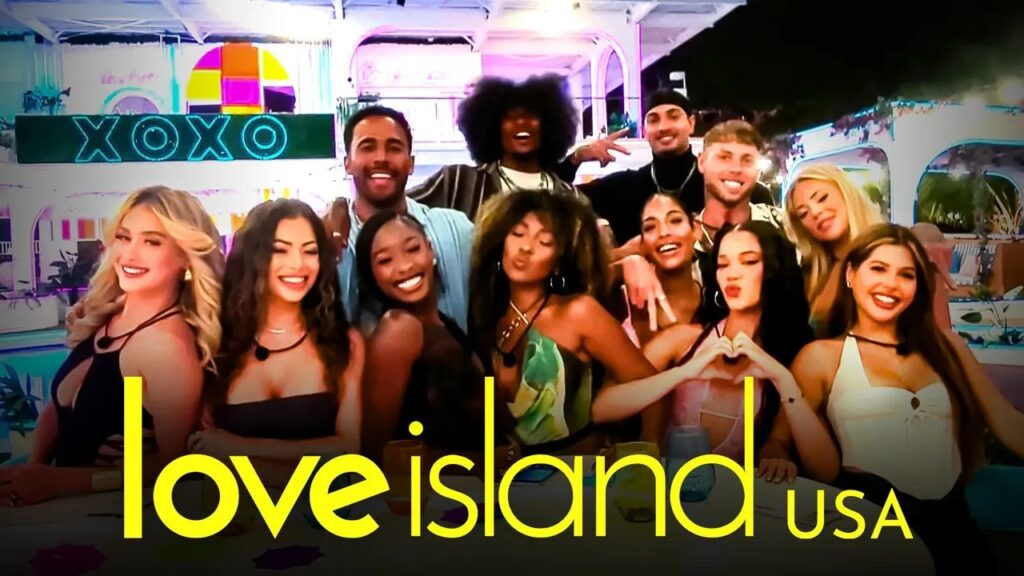
To understand the strategic brilliance of the May 2026 “Punch Pop” rollout, one must look back to the summer of 2024 during Love Island USA Season 6. While corporate sponsors spent millions on official in-villa placement, Poppi executed one of the most successful reactive marketing maneuvers in reality television history. When breakout contestant Amaya Espinal captured the public’s attention, the internet affectionately dubbed her “Amaya Papaya.” Recognizing an immediate cultural hook, Poppi’s digital team published a conceptual mockup of an “Amaya Papaya” soda can on social media, filled with inside jokes tailored specifically to the show’s core fandom.
The digital response was instantaneous, generating millions of interactions and completely overshadowing traditional corporate sponsors. Instead of letting the viral momentum fade, Poppi actualized the joke. The brand formally released “Amaya’s Island Colada,” a limited-edition pineapple-coconut blend marketed directly via TikTok Shop and Amazon. By late 2025 and early 2026, the immense sales numbers forced a transition from online-only exclusivity to brick-and-mortar retail shelves at Target and Whole Foods nationwide. This trajectory proved that a consumer brand could successfully intercept a reality TV narrative, build a consumer product based entirely on fandom subculture, and create a sustainable retail asset in a matter of months.
| Integration Model | Core Strategy | Consumer Impact | Retail Outcome |
| Traditional Placement | Passive background exposure & logos | Low emotional attachment; ignored by viewers | Temporary bump in baseline brand awareness |
| CPG Brand Engine | Real-time narrative hijacking & custom SKUs | High emotional investment; active fan co-creation | Immediate, scarcity-driven retail sell-outs |
The Economics Of Fandom Fluency Over Traditional Sponsorships
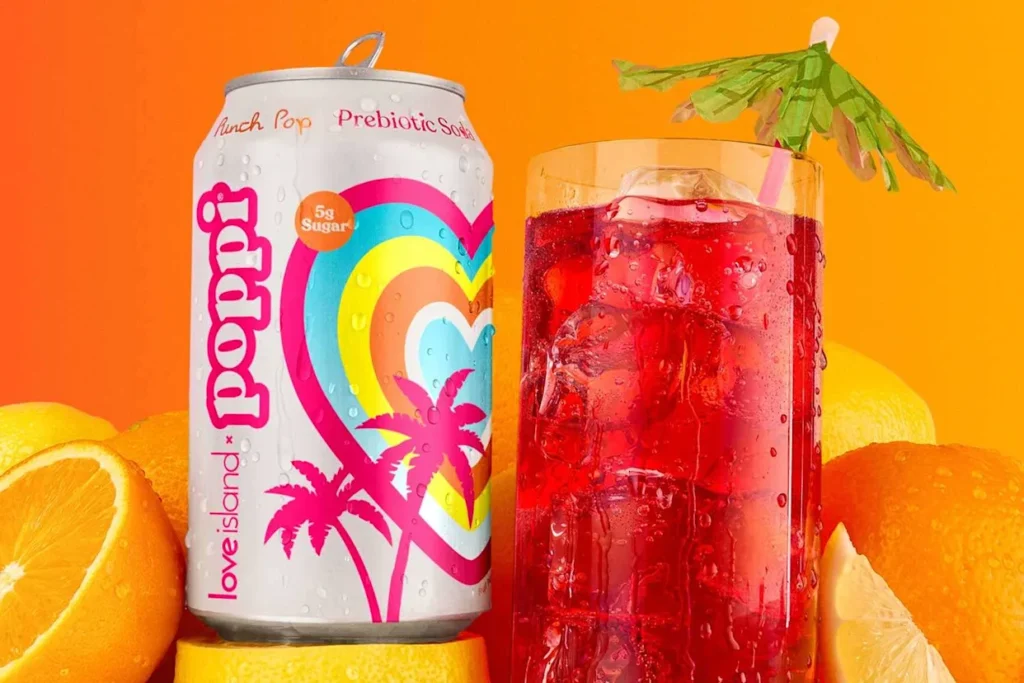
The ultimate value of reality television in the streaming era lies in its ability to function as a cultural megaphone. Shows like Love Island USA produce highly dense, daily content schedules that force viewers to remain locked into digital ecosystems across TikTok, Instagram, and Reddit. Brands that possess “fandom fluency”—the ability to speak the exact linguistic currency of the audience in real-time—can generate far higher conversion rates than those relying on traditional commercial spots.
Data tracking the media impact of these integrations highlights a stark disparity in brand efficacy. While traditional cosmetic sponsors capture only a handful of direct media headlines during a season’s run, the organic and eventual official partnership between Poppi and the Love Island ecosystem generated massive cultural engagement. As explored in our analysis of the streaming reality boom driving unscripted content, reality franchises are no longer contained within the margins of traditional television formats. They are fully functional business incubators where consumer attention is instantly converted into active retail demand.
Co-Branded Consumer Products As The New Streaming Monetization Playbook
The integration of Poppi into NBCUniversal’s broader programming strategy for 2026 outlines a distinct playbook for streaming monetization. As streaming platforms face increasing pressure to show profitability amidst rising production costs, relying solely on subscription fees or standard programmatic advertisements is no longer sufficient. Co-branded, limited-edition consumer product drops allow networks to capture a percentage of secondary retail markets, diversifying their revenue streams while deepening consumer loyalty.
According to retail tracking on the Love Island limited-edition flavor drops, the nationwide deployment of “Punch Pop” across major retail ecosystems like Walmart, Target, Meijer, and ShopRite ahead of the June premiere is designed to build a physical retail presence that mirrors the digital anticipation of the show. This strategy turns grocery store endcaps into extended media properties. A consumer walking down a retail aisle is reminded of the upcoming season premiere simply by seeing a co-branded soda can, creating an organic marketing loop that costs the network nothing while actively driving platform engagement.
Mapping The Future Of The Reality-To-Retail Pipeline
The structural evolution of the reality-to-retail pipeline signals a future where unscripted shows will be produced with immediate commercial product integration built directly into the script and production timeline. The success of Poppi and Love Island USA will inevitably inspire other sectors of the CPG industry—spanning cosmetics, apparel, and functional foods—to rethink how they execute talent and media partnerships.
The integration model going forward will likely rely on three core pillars:
- Agile Manufacturing: The capability to formulate, design, and package products within weeks to capitalize on unscripted viral trends while a show is actively on the air.
- Direct-to-Consumer Testing: Leveraging digital commerce platforms like TikTok Shop to validate a reality show concept before funding a major nationwide brick-and-mortar retail rollout.
- Talent Equity Allocation: Ensuring that breakout contestants receive direct equity or licensing royalties for products launched around their likeness, mimicking the monetization structures of professional sports.
Ultimately, the partnership between Love Island USA and Poppi provides a blueprint for the next decade of entertainment marketing. It proves that when a consumer product brand stops acting like an intrusive commercial and starts behaving like an active participant in the fandom, it can transcend traditional marketing metrics. The modern villa is no longer just a destination for summer romance; it is a direct launchpad for the next generation of multi-million dollar retail trends.