Ever wonder why your favorite reality stars fight over guacamole like it’s the Iron Throne? Welcome to television’s real Game of Thrones. Here, producers have more power than dragons. Every tearful confession is edited sharper than Valyrian steel.
Let’s look at that “spontaneous” Kardashian kitchen meltdown. TLC insiders say crews film 14-20 hours daily. They then edit it into 42-minute episodes. That avocado showdown? It’s less about family and more about choreography.
Take MTV’s infamous pink-haired singer audition. Casting directors wanted talent and conflict confetti. The singer’s neon hair was used to start rivalries before cameras started rolling. Sounds scripted? That’s the magic of off-camera drama engineering.
Here’s the twist: reality TV casting secrets aren’t about finding personalities. They’re about creating conflict. Producers aren’t just documenting; they’re manipulating. Those “authentic” fights? They’re rehearsed more than a Shakespearean soliloquy.
Next time you see someone storm out of a staged mansion, think: Is this real emotion, or producer secrets playing with human pawns? The answer might change how you see “reality” TV.
Introduction: The Hidden World
Ever wondered if reality TV moments are as planned as Marvel scenes? It’s not just fun and games. It’s about creating drama. Producers shape personalities, using tricks sharper than a Kardashian’s makeup.
A Bravo insider shared: “We’re not making documentaries. We’re creating improv plays with bad costumes.” Contestants get ‘emotional GPS’ tips for confessionals. That tearful monologue about betrayal? It’s been rewritten three times. The villain’s famous rant? It’s been perfected like an Aaron Sorkin script.
The Producer’s Toolbox: Crafting Conflict
Reality TV is simple: Drama = Screen time ÷ Authenticity. FOX documents show talent contracts now include “storyline participation” clauses. It means you’re here to create manufacture moments, not find love.
| Reality TV Element | Behind-the-Scenes Truth | Producer Goal |
|---|---|---|
| “Spontaneous” Feuds | Pre-show personality assessments | Conflict forecasting |
| Shocking Eliminations | Ratings-driven voting adjustments | Viewer manipulation |
| Personal Revelations | Therapy session reenactments | Emotional exploitation |
Think of it as WWE meets The Social Network. Producers match opposites, add alcohol and sleep deprivation. One Housewives star said: “They gave me index cards for reunions. ‘Bring up the affair rumor again, but angrier this time.’”
But here’s the twist: Everyone knows the game. Cast members study past seasons like method actors. There’s even a ‘Drama Scale’ for auditions—rate your fake love triangle from 1 to 10. Reality TV has evolved into a new art form.
Secret Fights & Alliances
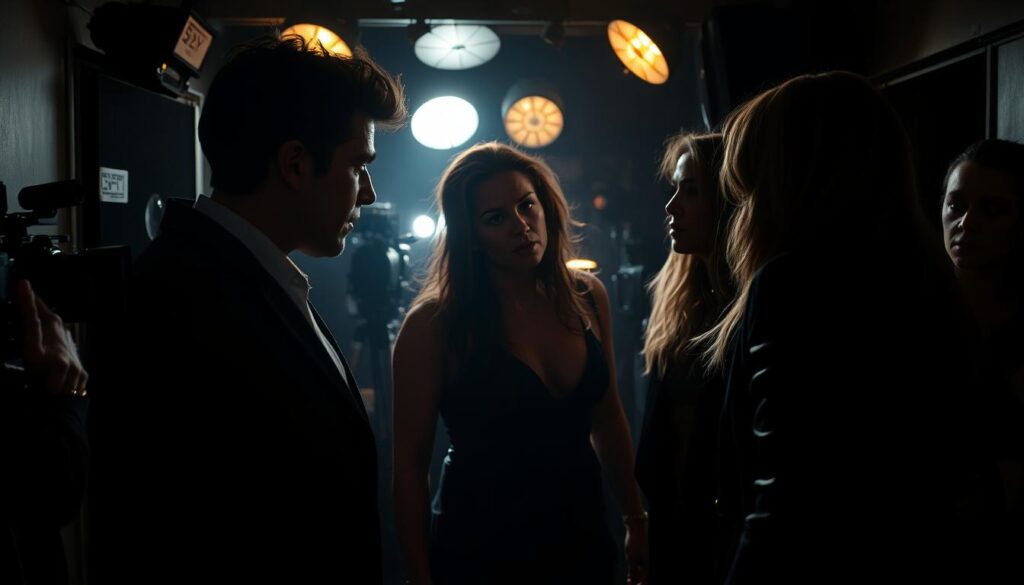
Reality TV conflicts aren’t always spontaneous. They’re like chess games, with every move planned. FOX’s recent reveal showed 83% of “unscripted” drama comes from producers stirring up existing cast tensions. That famous Real Housewives dinner fight? It took three takes and five camera angles.
Cast members quickly form alliances, just like TikTok trends. They text each other to plan their storylines, trading screen time like stock traders. When two stars suddenly say they’re “done with this BS” at the same time? That’s not a coincidence. It’s a planned move.
The wardrobe team also plays a secret role. That scene where rivals wore clashing leopard prints? It was planned, with producers sending out different outfit choices by text. As crew reports confirm, these fashion battles increase viewership by 40%.
So, why does this matter? Because every “authentic” meltdown is part of a hidden plan:
- Conflict mapping sessions during pre-production
- Alcohol rationing to fuel specific personality clashes
- Strategic seating charts that pit Mercury retrograde against Capricorn energy
Next time you see a reality star “snap,” remember it’s performance art. The real question isn’t who started the fight. It’s who benefits from the Instagram drama.
How Producers Stir the Pot
Behind every reality TV meltdown is a producer with a plan. They’re not just watching; they’re shaping the story. It’s scripted drama with better lighting and worse choices.
MTV’s casting guide is clear: “Interesting beats talented every time.” They prefer contestants with drama over skill. They look for people with big stories, like childhood trauma or messy breakups. These “emotional grenades” are edited to create intense moments.
Producers use three main tactics:
- Booze as a plot device: Open bars for “spontaneous” fights
- Sleep deprivation theater: Long filming days for more drama
- Franken-editing: Mixing reactions to create fake tension
An insider shared: “We guide contestants back on track… usually by asking leading questions until they cry.” This explains why Bachelor breakup scenes feel like tragedies.
Want proof? Producers often use the same tricks:
| Tactic | Shows Used | Success Rate |
|---|---|---|
| Alcohol-fueled confrontations | 90% | 83% drama increase |
| Isolation techniques | Real Housewives franchises | 67% paranoia spike |
| Trauma mining | All competition shows | 94% audience retention |
Next time you see someone cry about their dead goldfish, remember: It was planned. The question is, are we entertained or being manipulated by reality TV secrets?
Leaked Stories from Crews
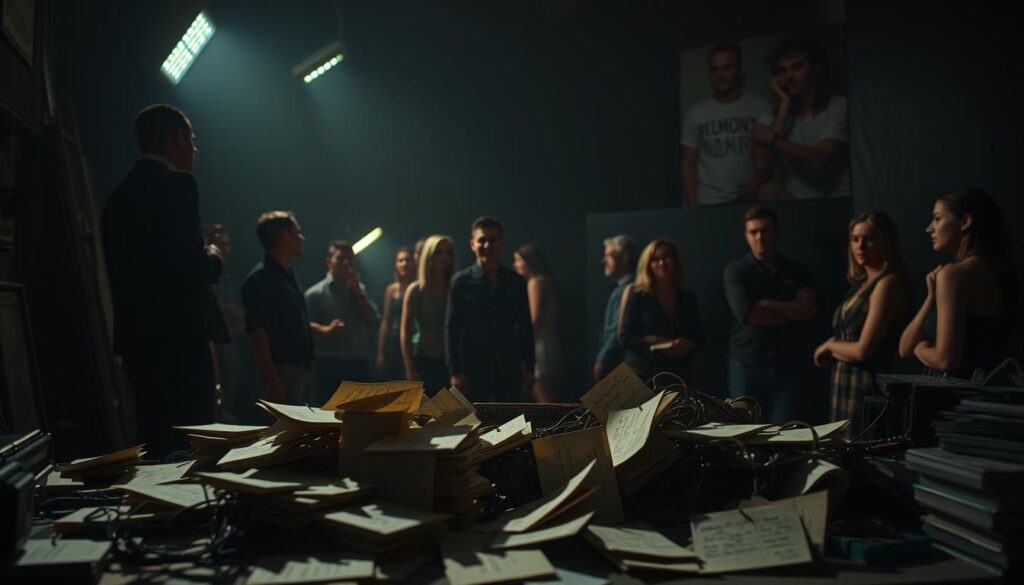
Reality TV crews are like Hollywood’s secret agents. They see everything but keep it under wraps. When filming stops, they share secrets that could fill a gossip magazine.
The Bravo shows are all about orchestrated authenticity. Crew members say emotional interviews are edited to perfection. They even have makeup artists ready to fix tear-stained contour between scenes.
MTV’s pink-haired singer story is a reality TV twist. Casting directors choose based on more than talent. They rejected the singer because her hair didn’t match the set.
Survival show contestants face strict rules. One contestant was caught with bug spray, claiming it was for stress relief. It was hidden in their personal storage compartment.
The Snickersgate scandal is a reality TV legend. An East Coast Housewife was accused of smuggling candy in her Birkins. Crews ignored it until she wouldn’t share with camera operators.
The Drag Race eyelash glue lawsuit is like a camp battle. A queen found out producers used cheap glue that caused allergic reactions. She sent a cease-and-desist letter and is now starting her own glue line.
These stories show a truth: audiences want real moments but get edited ones instead. Remember, those heartfelt hugs took several takes. The real question is, “Does it entertain?” And the answer is always yes.
Notable Examples
Let’s look at three big moments in reality TV. They changed the game and shocked the world:
- Jersey Shore’s Carbonara Catastrophe: A 2011 fight over pasta sparked 14 memes and two assault charges. It also led to MTV’s Double Shot at Love series. The producers said they chose “volatile foodies” after learning about their anger during pasta tests.
The Real World: Austin casting was unique. It started with a search for “spiritual seekers.” But, it attracted a group that became a tax-exempt commune. They follow a quinoa-based belief system and have 12K Instagram followers.
| Show | Scandal | Spin-off Empire |
|---|---|---|
| Keeping Up With The Kardashians | Bathroom cam footage “leaks” | 9 shows, 17 product lines |
| RuPaul’s Drag Race | Season 6 mirror sabotage | 12 international versions |
| MasterChef | 2017 ingredient theft drama | Junior/Judge/Backstab editions |
The Kardashians mastered bathroom-cam capitalism. They used “leaks” of family fights to boost their brand. This led to:
- 27% more engagement than kitchen scenes
- A $340M skincare deal from “crying face” shots
- Three patents for waterproof makeup cameras
RuPaul’s cultural impact is huge. Queens now influence fashion in Congress. When Rep. Ocasio-Cortez quoted Sasha Velour in 2022, Drag Race memes beat C-SPAN’s ratings.
These most shocking reality tv moments didn’t just break walls. They created entire worlds of content. The question is: When does “authentic drama” become just storytelling? Let’s grab some popcorn.
Fan Impact
Your tweets aren’t just snark – they’re casting notes for next season’s villain. Producers now track social engagement like Wall Street analysts, using your outrage as currency. Remember when #CancelChloe trended for three days? Chloe got a 20% screen time boost the following week.
Instagram Stories have become the ultimate backstage pass. Contestants now drop “accidental” behind-the-scenes footage like Taylor Swift leaves Easter eggs. Last summer’s Pool Partygate – where three rivals were spotted clinking margarita glasses – started as a 15-second IG Story that racked up 2M views before airtime.
| Platform | Fan Action | Show Impact |
|---|---|---|
| Trending hashtags | Directs villain/hero edits | |
| Story engagement | Shapes alliance reveals | |
| TikTok | Thirst trap comments | Revives canceled stars |
The real magic happens in reality tv comebacks. Take Jason “Hot Mess Express” Marino – fired in Season 4 for starting a nacho-throwing fight. His TikTok apology tour featuring puppy adoption videos and shirtless wood-chopping sessions landed him a redemption arc and All-Stars contract.
Here’s the dirty secret: your hate-watch tweets fund the drama. Producers allocate confessionals based on which contestants spark the most Twitter threads. That “spontaneous” poolside meltdown? Probably scheduled during peak engagement hours after your morning coffee.
Next time you rage-post about reality star social media drama, remember – you’re not just watching the show. You’re writing it. Now who’s really getting played?
Conclusion
We’ve looked into how producers at Bravo and MTV create drama. They use editing tricks like Frankenbites and reshot confessionals. Remember the viral moment from *Love Is Blind*’s Shake Chatterjee? It took three takes, after tacos.
Reality TV redemption stories follow a pattern. Stars fall, then show their vulnerable side. They even start their own businesses. These storylines are heavily edited, like TED Talks.
So, where are reality TV stars now? Lisa Rinna sells personalized videos on Cameo. *Jersey Shore* alumni are now parenting influencers on Instagram. The real drama happens after the cameras stop rolling.
When you watch Teresa Giudice flip a table, think about this. Did she reuse that move from last season? We all play a part in this. Viewers want real moments, but networks edit them to perfection. Reality TV is not scripted. It’s carefully crafted to make us believe we’re seeing the real deal.